Garden Care

Springing into Action!

(Originally posted May 2, 2022)

Hello?!? Is anybody out there? Remember me? I am not offended if you don’t. It’s been quite a while since my last post. As much as I love writing about gardens, this is a side project for me; I do it strictly for fun and sometimes the fun things get put on hold when life gets busy. With that said, I am back and still planning on writing, so if you are willing to continue following my blog, then I am thrilled to have you along for the ride!

It’s hard to believe we are at the start of another growing season. Yay! Spring is here!

Spring. It’s an aptly named season when you really think about it: new life is ‘spring’ing forth from the earth after a long winter slumber, the sun is putting an extra ‘spring’ in our step as we gleefully skip along while the sun’s rays kiss our vitamin D deficient bodies, and we all ‘spring’ into gardening action at the first hint of a warm day. (At what other time of year does 10 degrees Celsius feel balmy??)
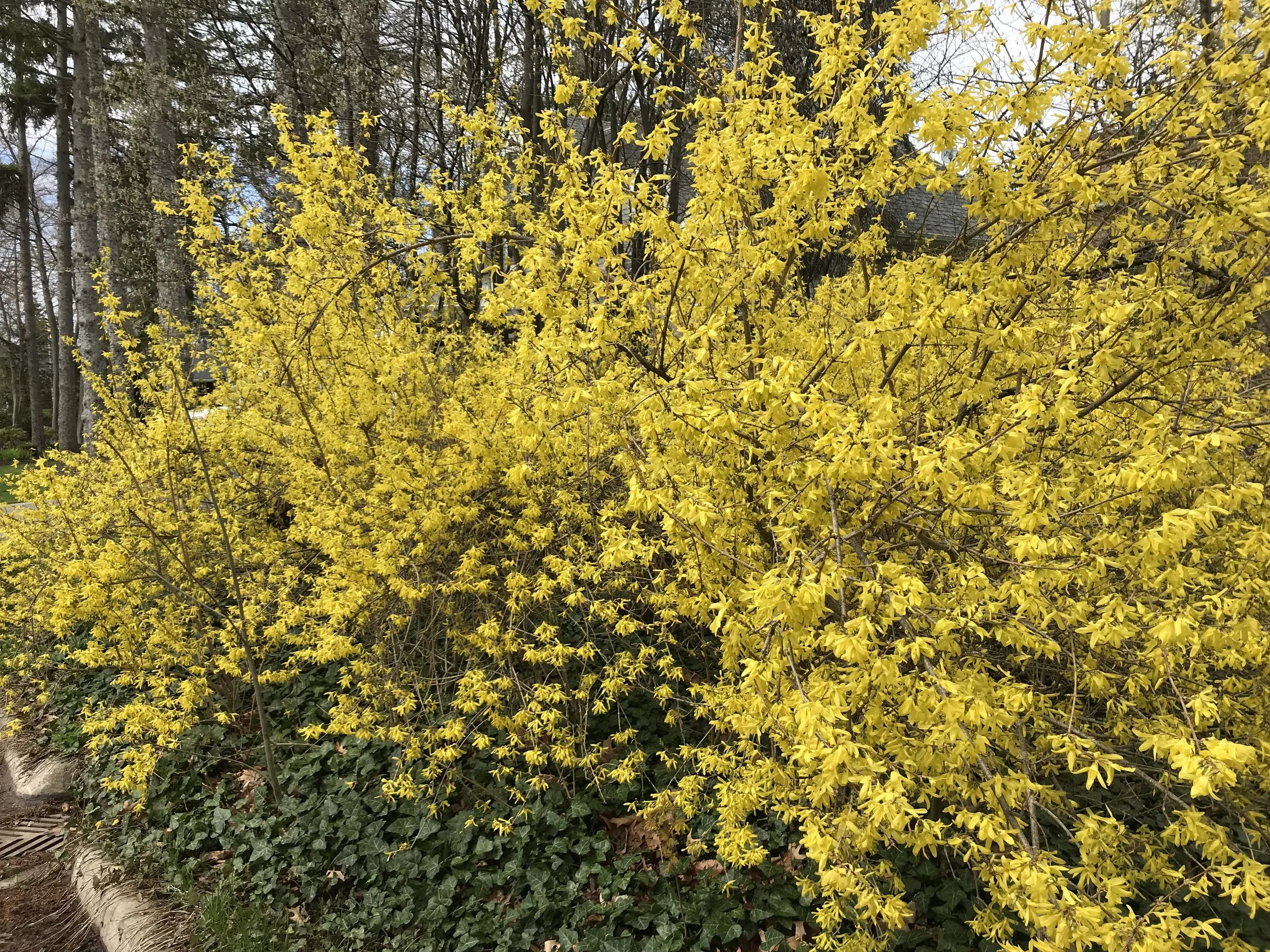
Forsythia spp.- a sure sign of spring.

Garage/shed doors are thrown open; gloves, hand tools and rakes come out (Ug. Did I really put those away in that condition?) and we get to work. Our desire to usher out winter and welcome spring is all consuming. With all that pent-up gardening enthusiasm we often get overly zealous with our spring tasks, so it is easy to get ahead of ourselves... which leads me to two main gardening mistakes that we tend to make in early spring:

  1. Cleaning up the garden too soon

  2. Mulching too soon

Lets look at each of these in turn…

Premature Garden Clean-up

So the equinox has come and gone, warmer weather has made an appearance… oh wait… now it’s gone… now it’s back again… and now it’s snowing?!? Ah yes, spring is an indecisive season. For this reason, it is best to refrain from cleaning out the yard on those first few warm days because severe weather can follow soon after. All the leaves on the beds, and standing herbaceous perennial foliage, can buffer garden plants (and soils) from harsh temperature swings and wild weather. Additionally, all the old flower stalks, perennial stems, and leaves in the garden are valuable overwintering sites for beneficial insects. Leaving everything in place for a little longer allows these beneficial organisms to emerge, enabling them to play a valuable role within the garden ecosystem in the months ahead.

Despite the benefits of all the ‘dead stuff’ in the garden, if you feel you must clean up a little, focus on areas where leaves have piled up over the winter months and make sure these leaf piles are not smothering evergreen foliage or perennials below. I usually do this ‘preliminary leaf clean-up’ within the first two weeks of April and then do a more thorough tidy-up (which includes cutting back herbaceous perennials) sometime between the middle to the end of April.
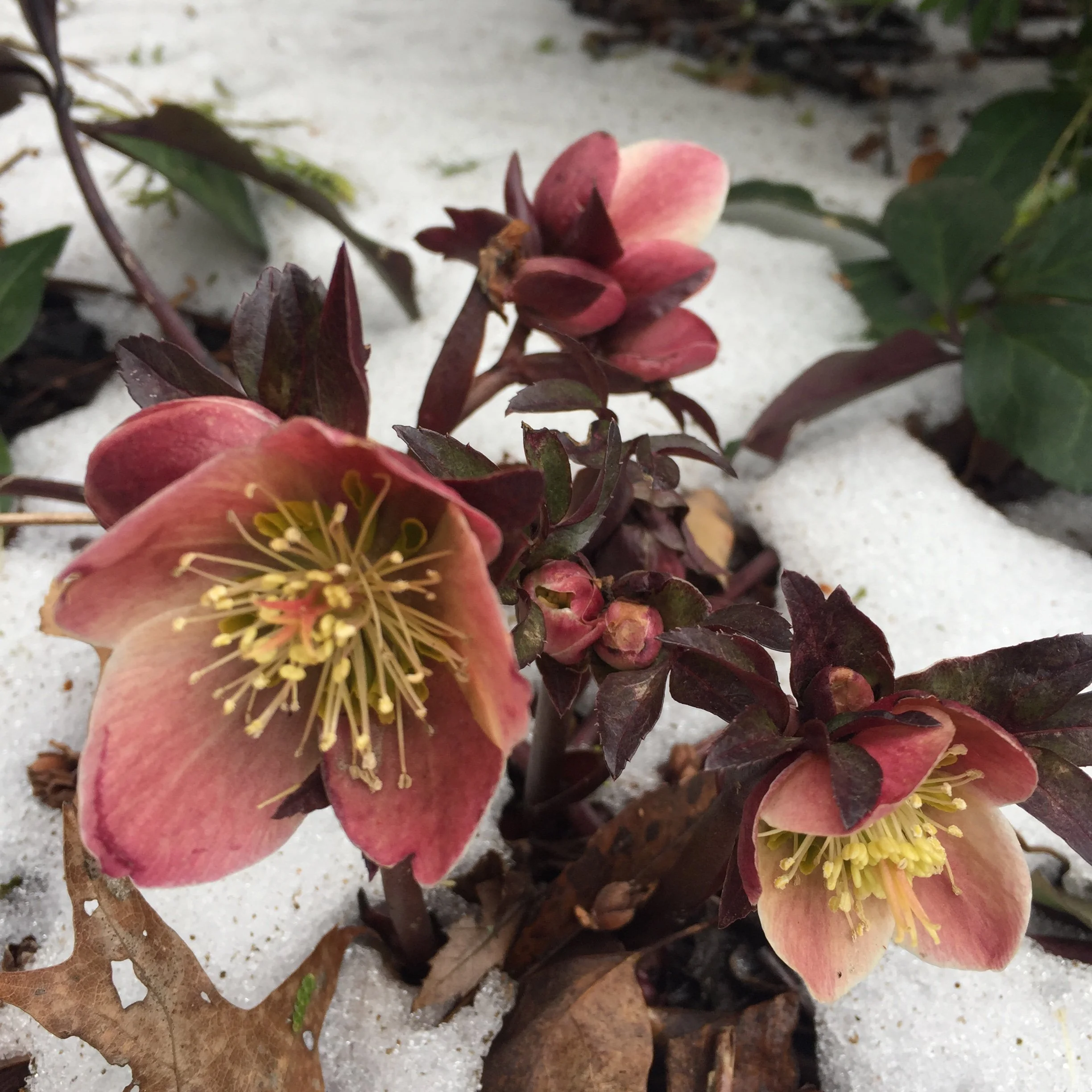
April snow is often cursed but not overly not unusual in these parts. It’s one of the reasons we need to temper our enthusiasm and hold off on spring clean-up until later in the month.

Mulching too Soon

No question about it, mulch on a garden looks great. (With the exception of red mulch…just don’t do it. Seriously.) Aside from aesthetics, mulch is valuable in many other ways but it’s useful properties make it more of a garden liability when it is applied too early in the season.

For example, mulch has an uncanny ability to prevent the evaporation of water from the soil. This is fantastic during the dog days of summer when rainfall can be scarce, but during the spring when rain is in abundance, we are often dealing with overly saturated soils. Depending on your soil texture, it can take a fair amount of time for soil moisture levels to decrease (clay soils take much longer to dry out than sandy soils). Putting mulch on saturated soil will prolong the length of time it takes for garden soil to dry out. In the meantime, some plants can suffer in the waterlogged conditions and some may rot away.

Mulch is also amazing at blocking sunlight. It is the main reason why it is able to suppress weeds- a thick layer of mulch blocks the light that plants need to grow, and that weed seeds need to germinate. Now take that same mulch and put it over top of perennials just starting to emerge, and you’ve got yourself a problem. I see this issue quite often on properties where landscape crews (who do not know the placement of garden plants that have yet to ‘wake up’) mulch too early in the season and inadvertently cover up (and sometimes smother) garden plants. Whoops.
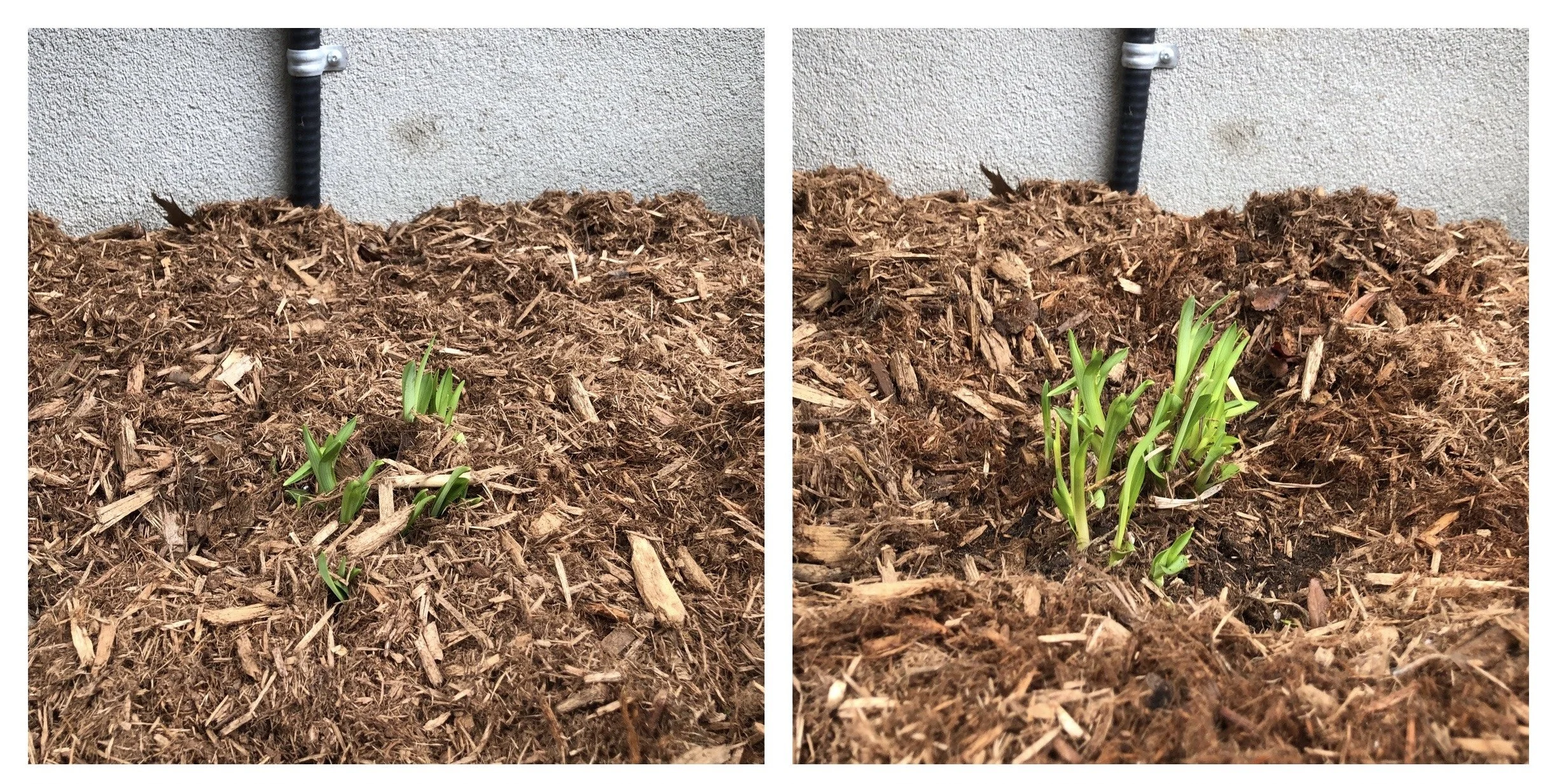
A Hosta mulched-over by a landscape crew. Luckily this one had already emerged and was freed from the thick mulch blanket. Remember- mulch does not get put over top of plants, it goes around them! It’s hard to apply it properly if you can’t see the plants.

Another benefit of mulch is it’s ability to moderate soil temperatures. This is great for preventing freeze/thaw events during the winter (which can be detrimental to plants) however, if a thick layer of mulch is applied too early in the spring, it can slow the warming up of garden soils- which can negatively impact plant growth.

Finally, mulching should occur after amendment/fertilizer applications are complete (if this is necessary based on soil tests). Mulching before amendments have been applied essentially closes the window to applying amendments and fertilizers directly to the soil where it is needed. Fertilizing early is not an option because plants need to be actively growing to make use of the applied nutrients. If they can’t, the nutrients may be washed out of the soil before they even serve a purpose and nutrient loss can have negative effects within the surrounding environment. This is overly simplified and highly dependent on what is actually getting applied to the garden, but I think you get my point: amendments first, mulch next, but not too early!

As you can see, mulching too soon can be pretty detrimental to a garden. In my area, I generally do not start mulching gardens until the end of May. In some cases I will wait even longer- for instance if I have annuals to get into the ground. For me, the annual planting frenzy kicks-off the third week of May and lasts for a few weeks. It is much easier to apply mulch around annuals after they have been tucked into the garden, rather than try to plant them into a mulched garden bed (which requires the mulch to be pushed out of the way in order to access the actual garden soil for planting… definitely not an efficient way to plant!)
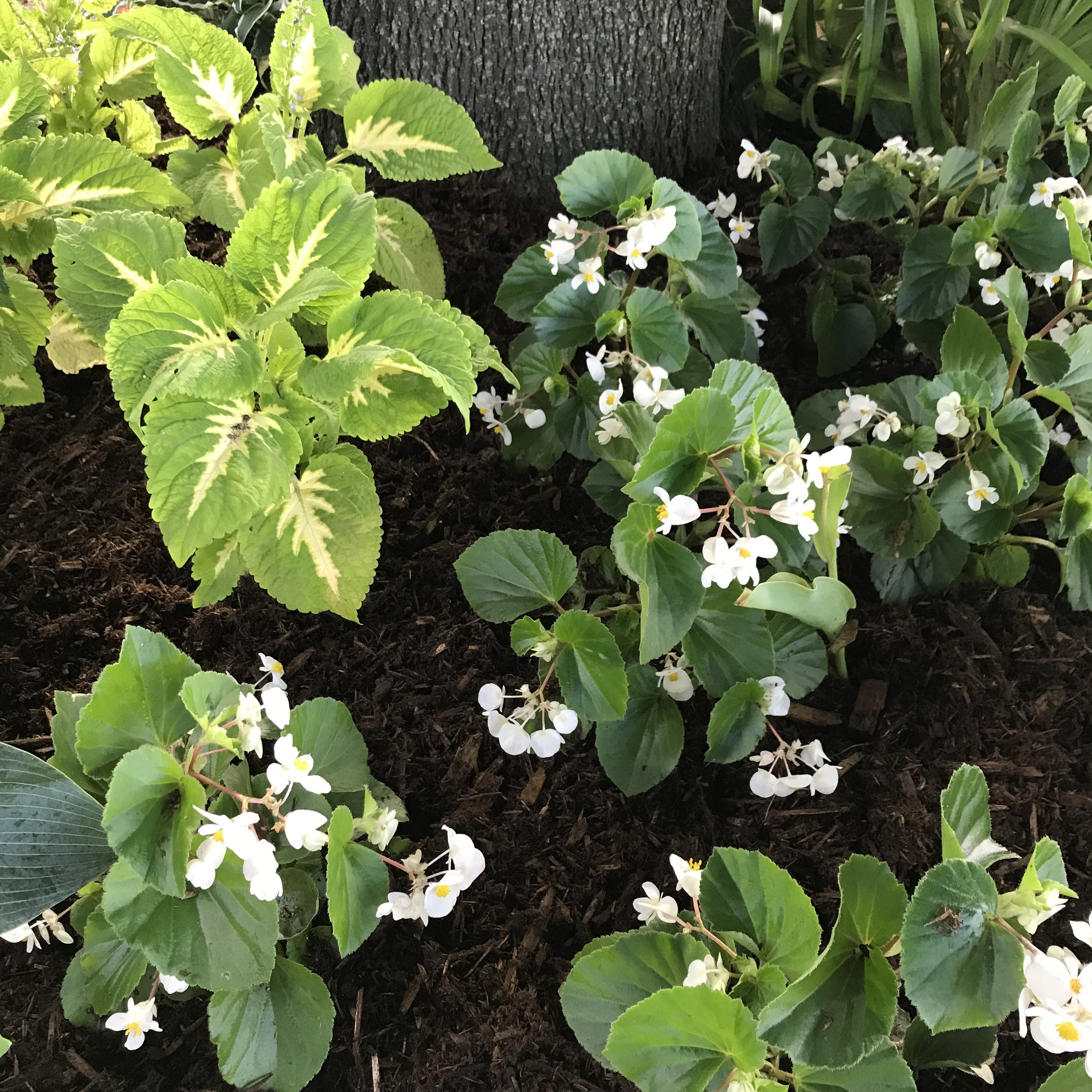
It is much easier to apply mulch after annuals are planted rather than have to dig through mulch to find soil to plant into.

And there you have it! A couple common spring gardening mistakes that I am sure we have all been guilty of at one point or another. So what’s the take home message in all of this? Well, if you feel ‘behind’ in your garden chores- don’t worry! You are most likely not as behind as you think; best case scenario, you are right on schedule! It’s far too early in the season to stress out about falling behind in gardening tasks. Enjoy the ‘spring wake-up’ at a more leisurely pace… your garden (not to mention your body) will thank you.

Wishing you a happy spring! It’s great to be back in the gardens :)
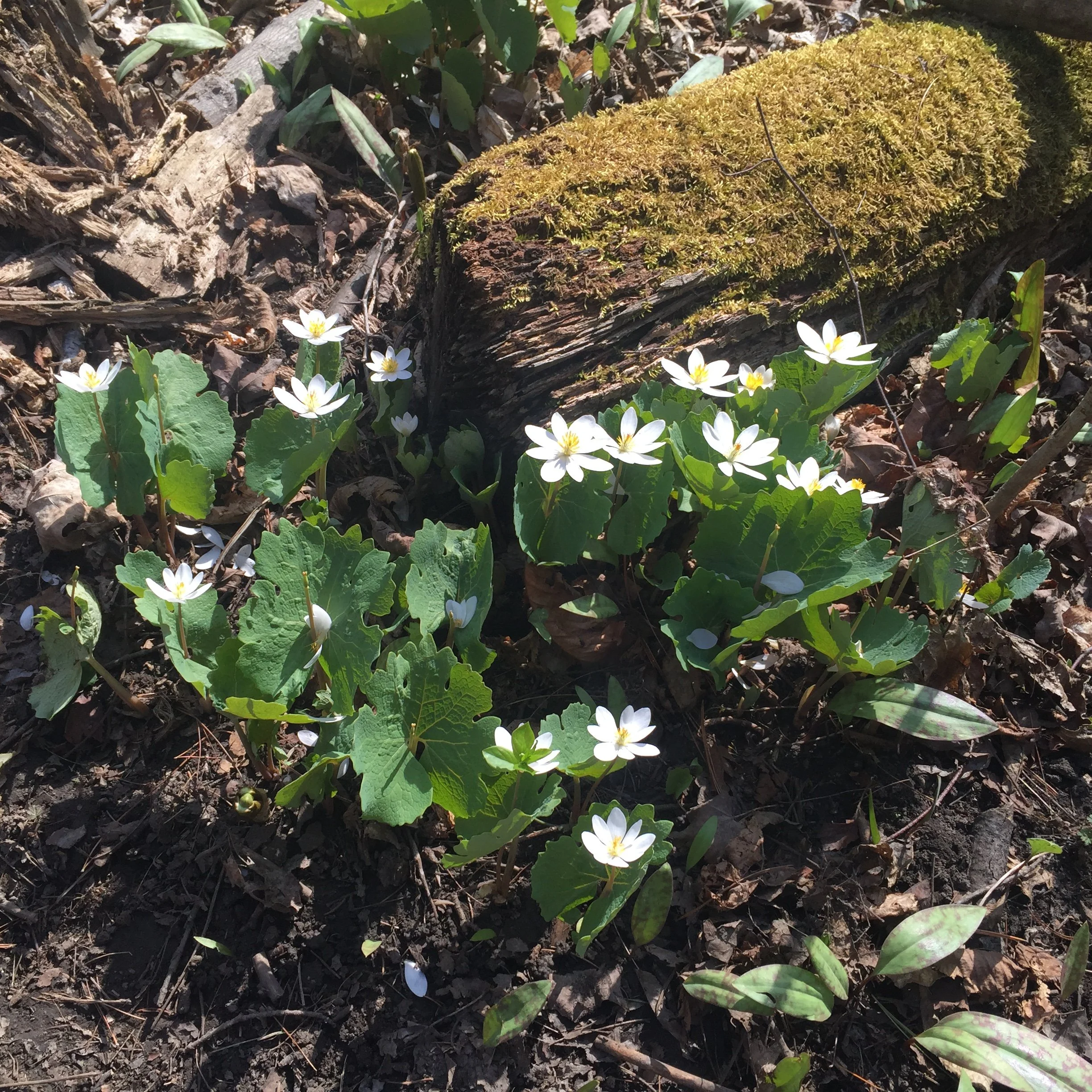
Sanguinaria canadensis (Bloodroot). It’s springtime in our woodlands!
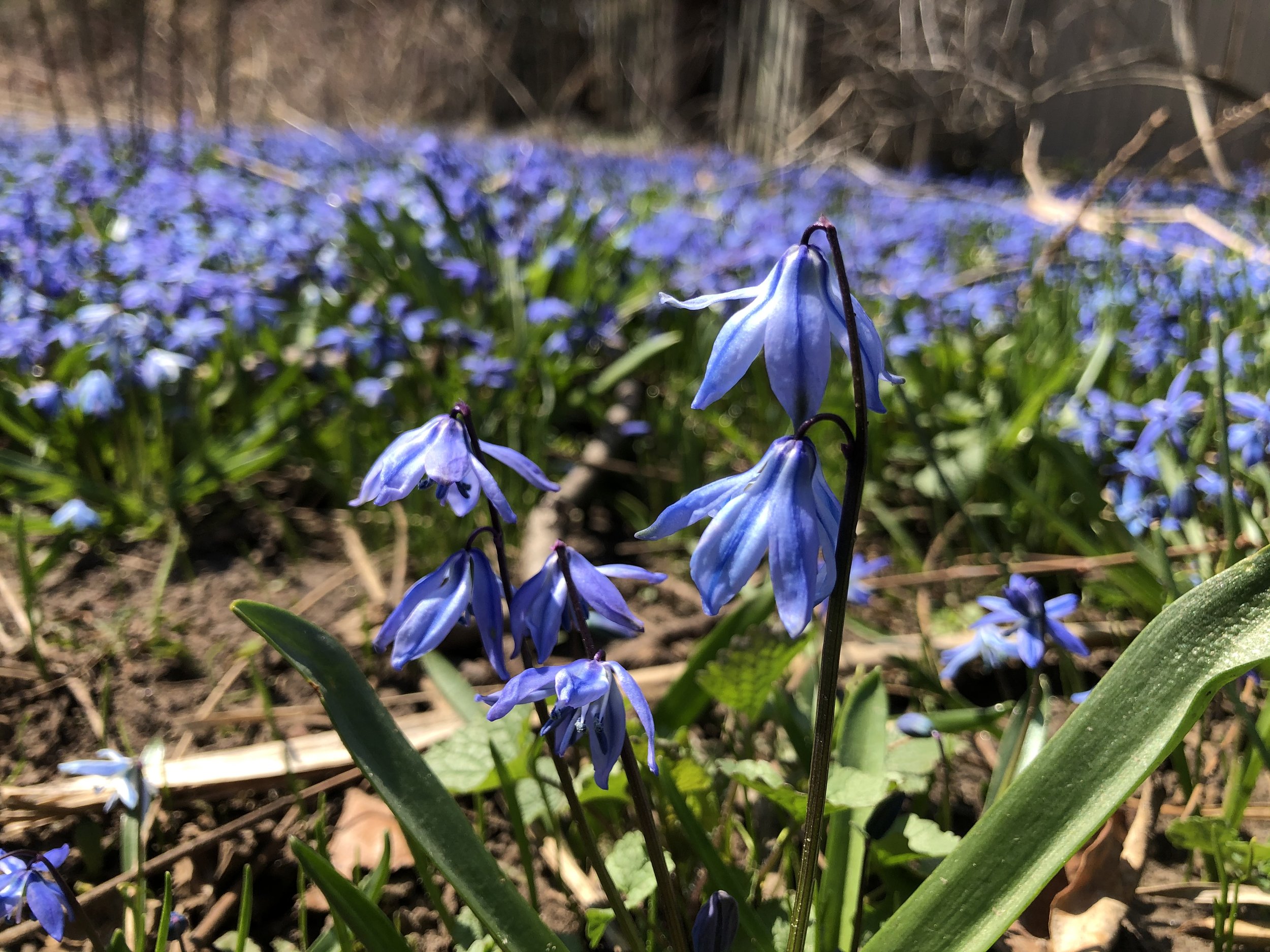
Scilla Sect. Chionodoxa (glory-of-the-snow). A sea of blue is a spring sight to behold!
Footprints are for the Beach

(Originally posted: August 17, 2020)

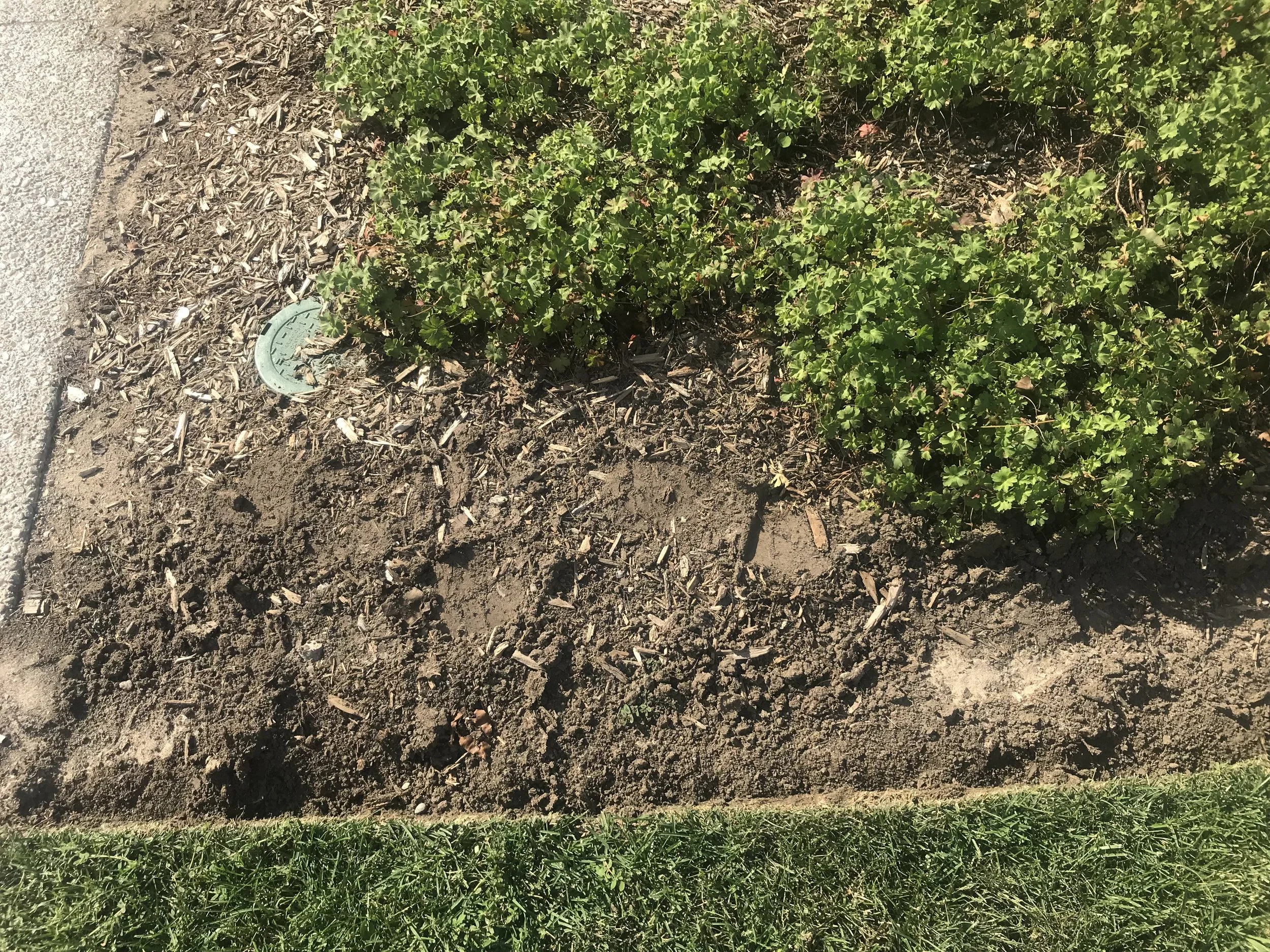
What do you see when you look at this picture?

I’ll start by telling you what I don’t see. (Rant alert!!!)

I don’t see a beautiful garden edge.

I don’t see a patch of Geranium x cantabrigiense that feels the same way about the relentless heat we have been experiencing that I do.

Instead, I see 2 big footprints glaring at me from the dirt. Hmmm… mens size 9.5 maybe?

Anyone who knows me, knows that footprints in a garden are a HUGE pet peeve of mine. I am known to walk backwards out of a garden, fluffing out my footprints as I retreat. I am sure it has raised many an eyebrow. I am also known to contort into various awkward-looking pseudo-yoga poses in order to avoid taking a step into a garden bed. (Should we call for help? Wonder the passerbys).

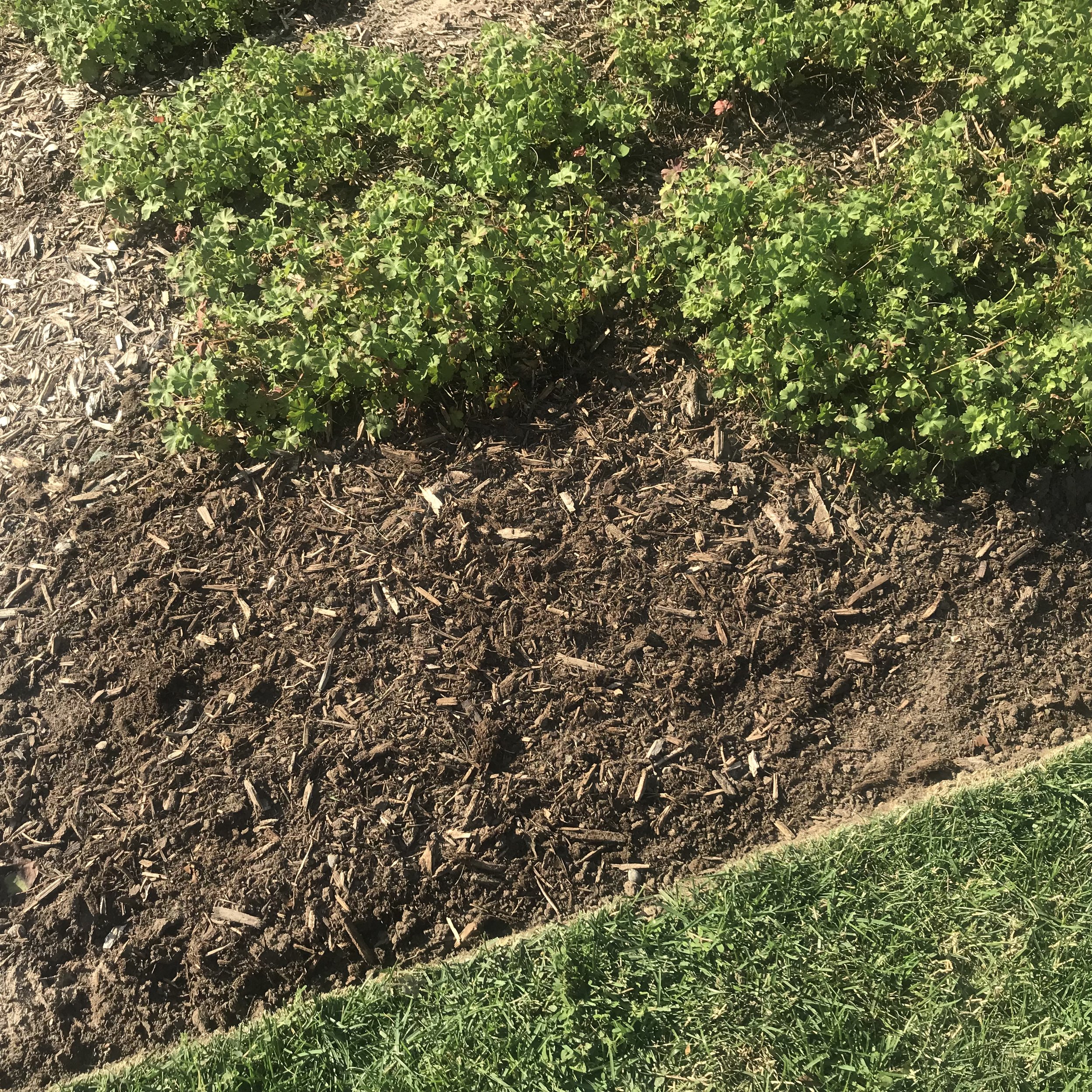
Ahhhh…. just a little fluff of the mulch makes everything better!

As a landscape gardener, I believe that gardens should look like they magically take care of themselves or little garden fairies tend to them while we are sleeping. Therefore when I leave a job site, I strive to leave no trace of my gardening visit. 

Footprints just look awful. They dash the illusion of magical intervention, and they detract from the nice features within a garden. As in the photo above, instead of seeing the absolutely beautiful garden edge made by Mr. 9.5, all I see is the print of a CSA approved workboot. Pitty. 

OK. Rant complete. Now onto something more productive as there are other reasons to not trample in a garden. Repeatedly walking all over a garden bed (especially a wet one) causes compaction of the soil: an all-around bad situation.

Let’s backtrack. 

Soil is made up of a few different things:

  1. Mineral components (sand, silt and clay)

  2. Organic components (such a living organisms and decaying plant matter)

  3. Pore spaces (tiny spaces between soil particles that are filled with water or air)

Now there are entire textbooks devoted to soil. I know- I’ve owned one… and likely slept on it before an exam in the hopes that any unlearned information would somehow transfer into my brain via osmosis. So I am going to try to keep this concise: essentially, the pore spaces in the soil are really important! 

When soil is compacted, the solid soil particles are pressed closer together thus reducing pore spaces. When this happens, there are significant consequences. Here are some of them:

  • The soil becomes denser and it becomes harder for plant roots to push through the soil, stunting the root system and negatively impacting the overall growth of the plants

  • The soil cannot absorb moisture as easily (which means that rain/irrigation water is more likely to run off the soil rather than infiltrate into it)

  • The ability of the soil to drain can be restricted, leading to overly saturated conditions for extended periods of time (not all plants are able to tolerate these conditions)

  • Gas exchange between the roots of plants and the soil (needed for biological processes) and also between the soil environment and the ‘outer world’ is compromised which negatively impacts plant growth

  • Availability and plant uptake of nutrients can be negatively affected in compacted soils

  • Soil processes such as the decomposition of organic matter can be slowed down

Why is it that nothing grows on a hiking trail? Soil compaction is a significant factor.

OK. You can wake up now!

So you probably get the point that soil compaction is a BAD thing… but what’s a lowly weight-bearing gardener to do?

While it is impossible to not walk in a garden, there are some tips to help minimize compaction of your soil:

  • Tread minimally: if you can reach what you need to reach without stepping into your garden, harness your inner psuodo-yogi and do it! Additionally, don’t walk through your garden to get to your next task, step out of it and walk around it if possible. Then take the shortest route possible back into the garden to access your next working area.

  • Be mindful of the moisture level in your soil: it is much easier to compact wet soils than dry ones. If you need to be walking in your garden beds, do so when the soil is on the drier side. This is an especially important point to keep in mind if you garden on clay soils, which are much easier to compact than sandier soils.

  • Designate your walking zones: some gardeners will put minor paths through their garden to act as access points from which they can work without having to step into their cultivated areas. These paths can be as simple as a mulched trail or small stepping stone walkway. Whatever your path of choice, using one keeps the impacts of compaction to a specific area.

  • Distribute your weight: some gardeners choose to distribute their weight by placing down temporary planks across the garden on which they walk. Obviously this is not always feasible or practical but it can be a good soil-preserving technique.

A garden that can be accessed by various features such as a dry riverbed (not shown) and rockery.

And thats a wrap!

Soil compaction... an important process that can have significant consequences on your garden and it’s inhabitants (and here you thought you were looking at simple footprints...).

Rain Dance

(Originally posted: June 23, 2020)

It’s hot. Really hot…and dry too. Unless of course you have been hit with the torrential rains that tend to go hand-in-hand with the pop-up thunderstorms spawned by this weather. In any case, these driving rains are better at washing away a garden rather than watering it! So the issue of dryness remains…

In my garden, the latest heat wave is beginning to take it’s toll on my plants. Thirsty mature trees slurp up the moisture from the lowly ‘riff raff’ below (i.e. my perennials!) and the sun makes short work of baking other areas of the yard. We have reached the point on our property where supplemental irrigation is necessary.

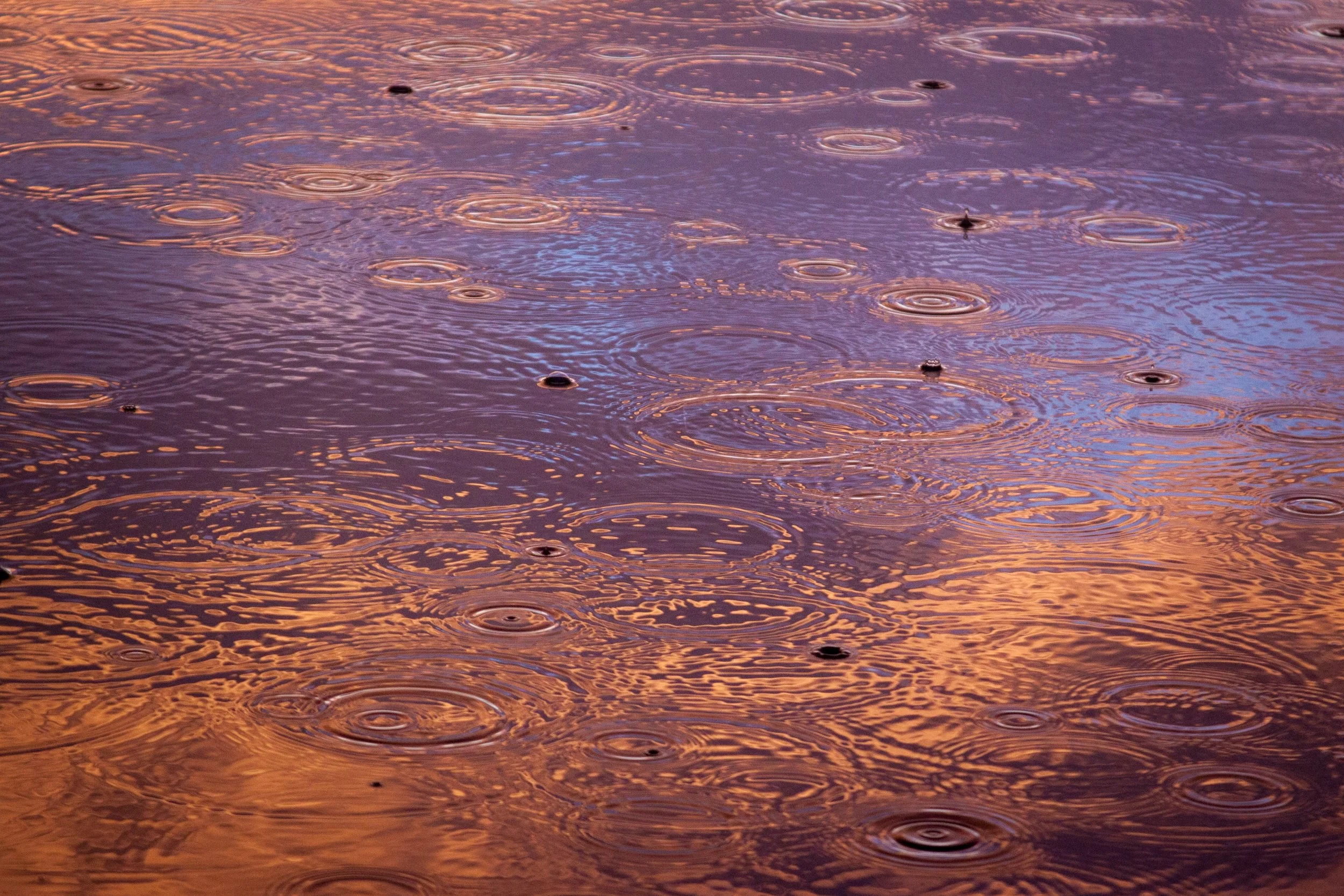
Oh how we could really use some rain right now! (Photo credit: Pete Nowicki on Unsplash)

Now I should start by saying that gardens need water- but it is the quality of the watering that counts as opposed to the number of times the garden is watered on a weekly basis. In general, a mature garden (as opposed to one that has been recently planted) needs about an inch of water a week. Sure, some plants are thirstier than others (and these plants often display their displeasure for the dry conditions with a little wilting tantrum) but this ‘inch a week’ guideline is one to keep in the back of the mind throughout the growing season- even if it is a very general guideline.

So with this in mind, here are some tips to effectively water a garden:

  • Water in the morning. Grab that morning coffee and enjoy the zen that watering a garden can bring. Morning irrigation sessions allow the foliage of the plants to dry out as the day progresses. Many plant diseases require moisture to spread and/or to successfully infect a plant. Reducing the ‘leaf wetness period’ can go a long way in reducing the incidence of disease. Watering in the morning also conserves water- less water will be lost to evaporation (which is a problem when watering midday- the hottest part of the day).

  • Use the ‘shower’ setting on your hand-held sprayer for watering garden plants (the ‘soaker’ setting is great for planters). I find these settings create the least amount of mist (mist just gets lost to the air and is ultimately a waste of precious water). Keep this point in mind when choosing a sprinkler setting too.

  • One deep watering is far better than many shallow waterings. This strategy encourages deep rooting and ensures that ample moisture has been provided to the plants (rather than chronically underwatering them)

  • Water around perennials and small shrubs and don’t forget to water out to the drip line of larger plants (The drip line is the point on the ground to which the farthest reaching branches of the tree/shrub extend. It is out near the drip line where a large proportion of the feeder roots of trees exist and these are the key to taking up moisture.)

  • Water the ground not the leaves- afterall, it is the roots that take up the water. This is not possible with a regular sprinkler but if hand watering, you have control over this- exercise that power!

  • Do not water flowers…unless you like blemishes; water droplets resting on some flowers can magnify the sun and cause brown blemishes on the petals as a result. This is not a given, but it is certainly a consideration.

  • Keep a keen eye on planters. As you’ve likely already noticed- pots dry out fast! The smaller the planter, the quicker it dries out. Additionally, porous planters (such as coco fibre lined baskets, fibre pots or terra cotta) also dry out quicker than non porous ones such as ceramic, fibreglass or plastic. Check on pots throughout the day- they will normally require daily watering, but on really hot days or windy days (when the air essentially sucks the moisture out of the plants and, in turn out of the soil), they could require more than one watering.

Pots lined with materials such as coco fibre dry out quickly; it is not unusual for them to require two waterings a day!

  • Water in stages, especially if a planter or part of the garden has dried out. If the soil is dry, it takes time to absorb the water (in a garden, you will often see most of the initial water running off extremely dry soil). To avoid wasting water and ensure the soil is actually absorbing the moisture, water an area or pot briefly, move on to another location/pot, followed by another; rotate through your planters or garden until the plants have received a good soaking.

Final note: At the time of writing this, we were in the midst of a dry spell and heat wave. The forecast calls for the heat and humidity to break today with the arrival of a cold front. (Phew!) Looks like I am saved from some watering chores for now. Instead, I will do a rain dance!