Rants and Reflections

Footprints are for the Beach

(Originally posted: August 17, 2020)

What do you see when you look at this picture?
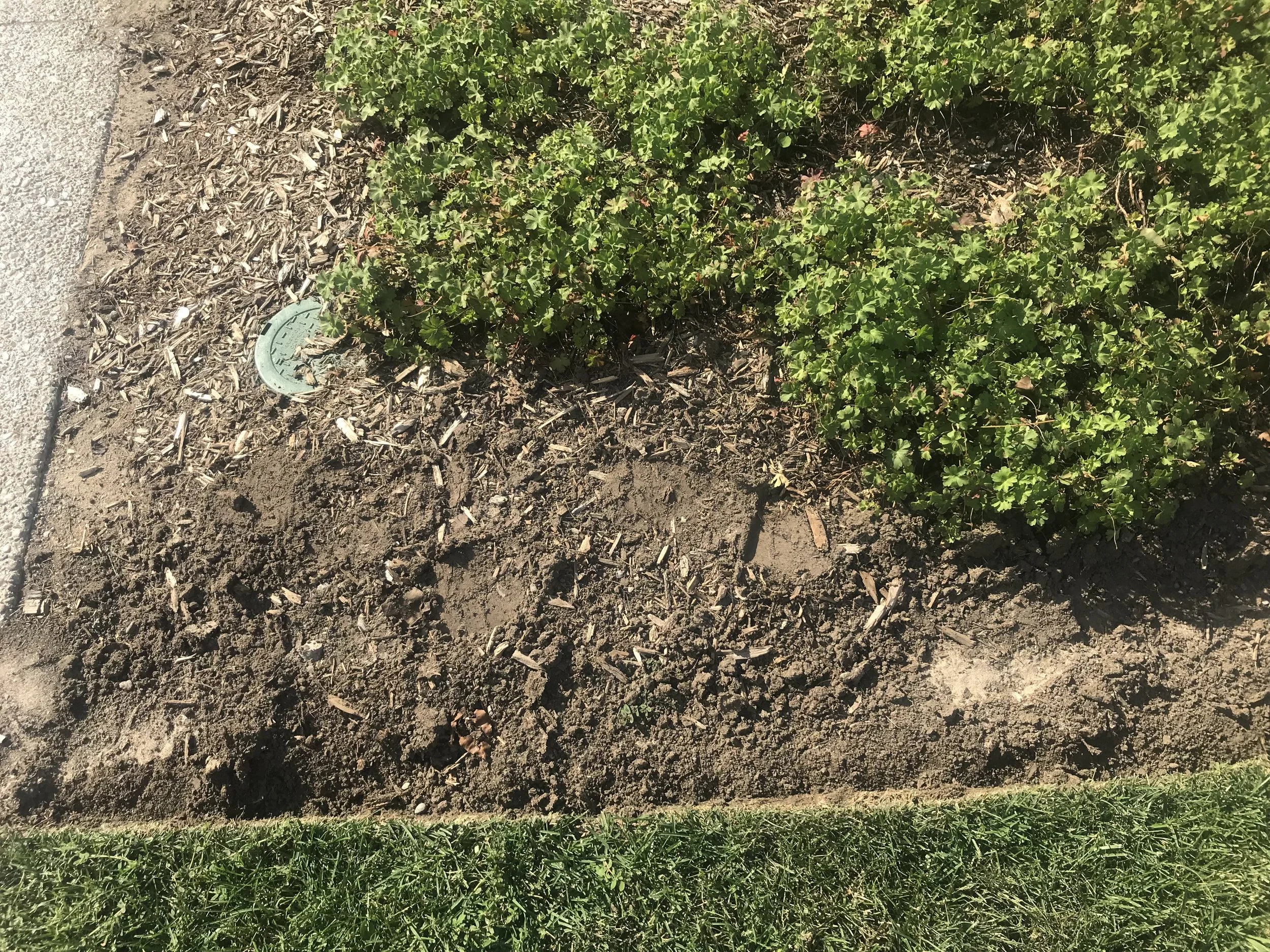
I’ll start by telling you what I don’t see. (Rant alert!!!)

I don’t see a beautiful garden edge.

I don’t see a patch of Geranium x cantabrigiense that feels the same way about the relentless heat we have been experiencing that I do.

Instead, I see 2 big footprints glaring at me from the dirt. Hmmm… mens size 9.5 maybe?

Anyone who knows me, knows that footprints in a garden are a HUGE pet peeve of mine. I am known to walk backwards out of a garden, fluffing out my footprints as I retreat. I am sure it has raised many an eyebrow. I am also known to contort into various awkward-looking pseudo-yoga poses in order to avoid taking a step into a garden bed. (Should we call for help? Wonder the passerbys).
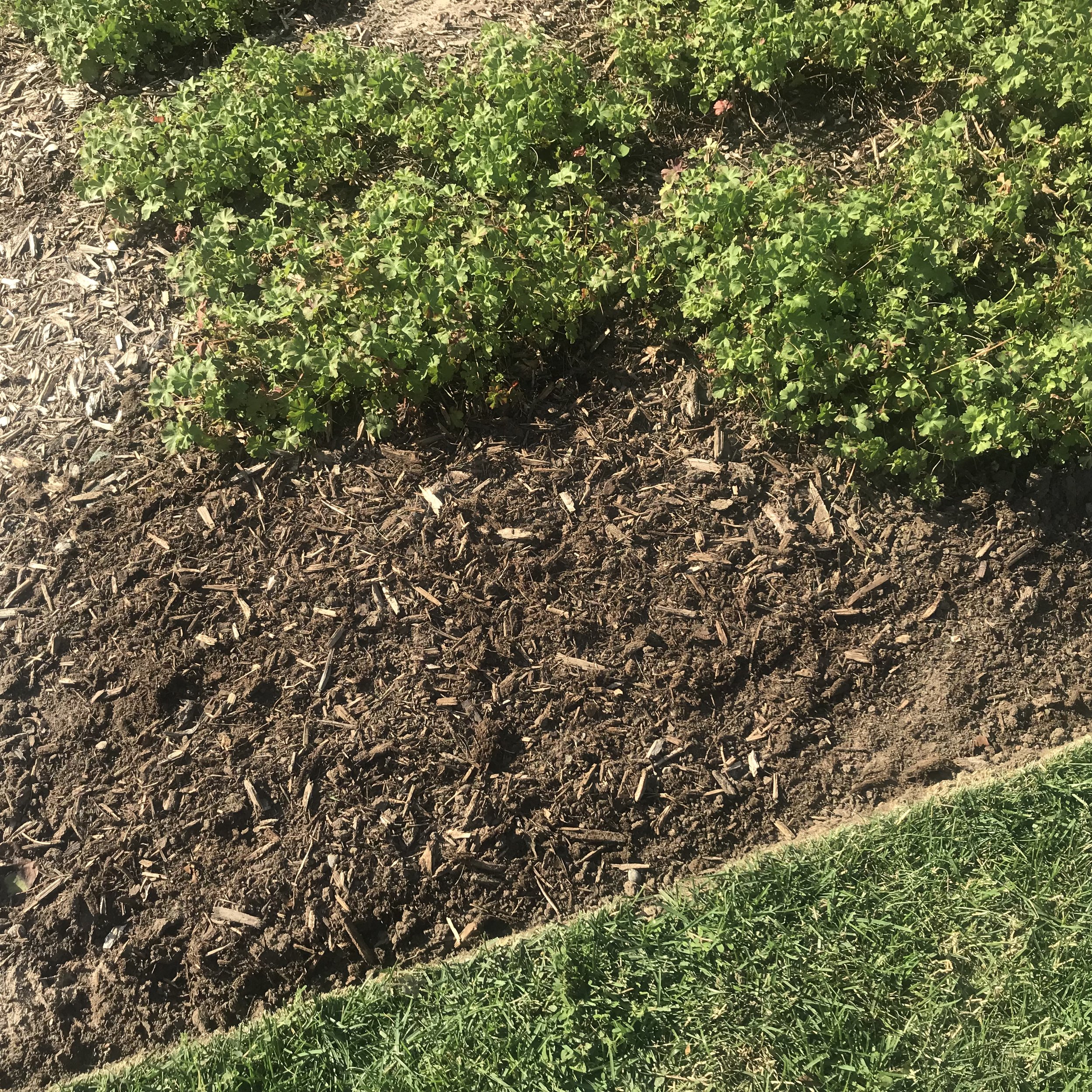
Ahhhh…. just a little fluff of the mulch makes everything better!

As a landscape gardener, I believe that gardens should look like they magically take care of themselves or little garden fairies tend to them while we are sleeping. Therefore when I leave a job site, I strive to leave no trace of my gardening visit. 

Footprints just look awful. They dash the illusion of magical intervention, and they detract from the nice features within a garden. As in the photo above, instead of seeing the absolutely beautiful garden edge made by Mr. 9.5, all I see is the print of a CSA approved workboot. Pitty. 

OK. Rant complete. Now onto something more productive as there are other reasons to not trample in a garden. Repeatedly walking all over a garden bed (especially a wet one) causes compaction of the soil: an all-around bad situation.

Let’s backtrack. 

Soil is made up of a few different things:

  1. Mineral components (sand, silt and clay)

  2. Organic components (such a living organisms and decaying plant matter)

  3. Pore spaces (tiny spaces between soil particles that are filled with water or air)

Now there are entire textbooks devoted to soil. I know- I’ve owned one… and likely slept on it before an exam in the hopes that any unlearned information would somehow transfer into my brain via osmosis. So I am going to try to keep this concise: essentially, the pore spaces in the soil are really important! 

When soil is compacted, the solid soil particles are pressed closer together thus reducing pore spaces. When this happens, there are significant consequences. Here are some of them:

  • The soil becomes denser and it becomes harder for plant roots to push through the soil, stunting the root system and negatively impacting the overall growth of the plants

  • The soil cannot absorb moisture as easily (which means that rain/irrigation water is more likely to run off the soil rather than infiltrate into it)

  • The ability of the soil to drain can be restricted, leading to overly saturated conditions for extended periods of time (not all plants are able to tolerate these conditions)

  • Gas exchange between the roots of plants and the soil (needed for biological processes) and also between the soil environment and the ‘outer world’ is compromised which negatively impacts plant growth

  • Availability and plant uptake of nutrients can be negatively affected in compacted soils

  • Soil processes such as the decomposition of organic matter can be slowed down
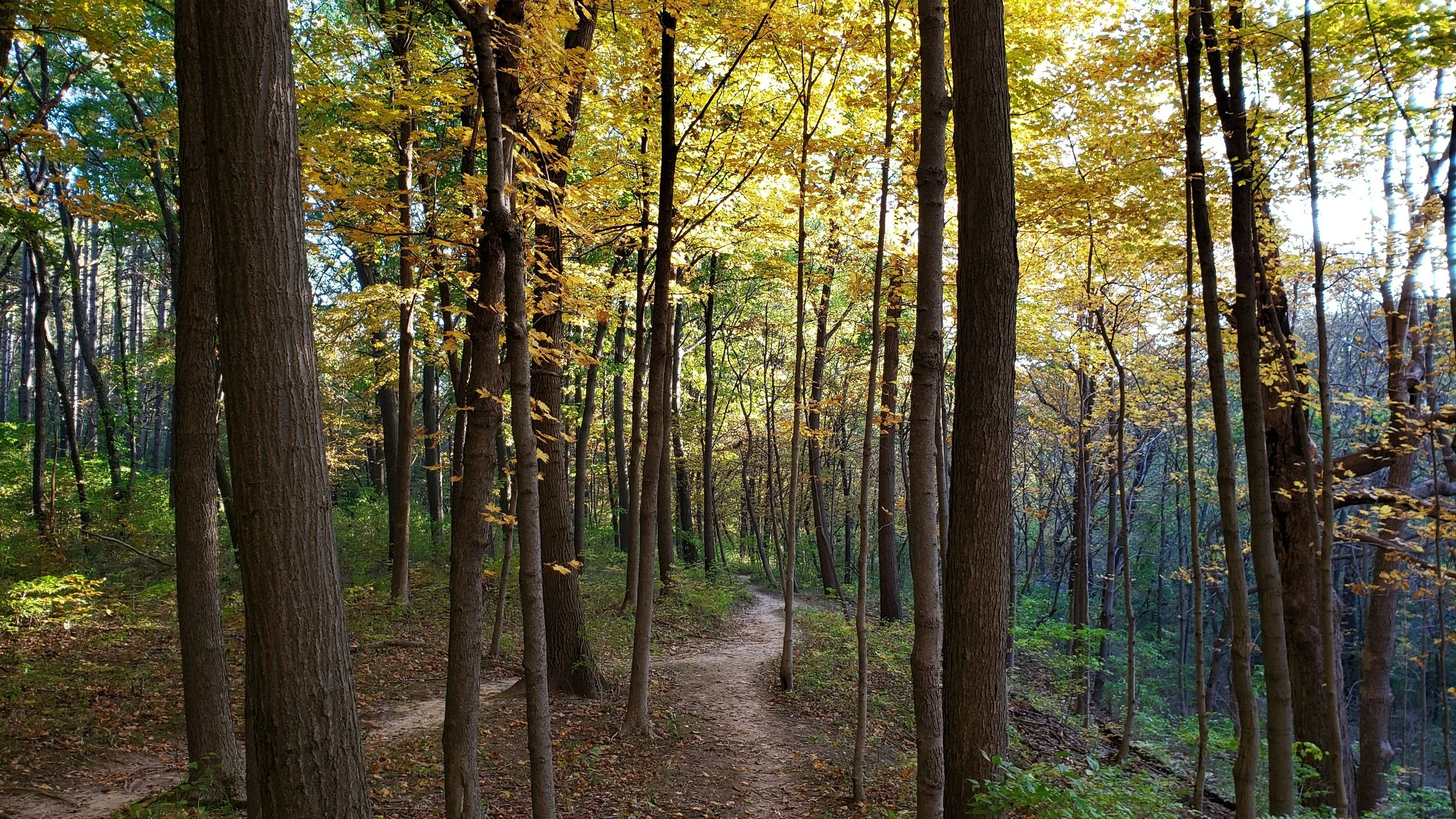
Why is it that nothing grows on a hiking trail? Soil compaction is a significant factor.

OK. You can wake up now!

So you probably get the point that soil compaction is a BAD thing… but what’s a lowly weight-bearing gardener to do?

While it is impossible to not walk in a garden, there are some tips to help minimize compaction of your soil:

  • Tread minimally: if you can reach what you need to reach without stepping into your garden, harness your inner psuodo-yogi and do it! Additionally, don’t walk through your garden to get to your next task, step out of it and walk around it if possible. Then take the shortest route possible back into the garden to access your next working area.

  • Be mindful of the moisture level in your soil: it is much easier to compact wet soils than dry ones. If you need to be walking in your garden beds, do so when the soil is on the drier side. This is an especially important point to keep in mind if you garden on clay soils, which are much easier to compact than sandier soils.

  • Designate your walking zones: some gardeners will put minor paths through their garden to act as access points from which they can work without having to step into their cultivated areas. These paths can be as simple as a mulched trail or small stepping stone walkway. Whatever your path of choice, using one keeps the impacts of compaction to a specific area.

  • Distribute your weight: some gardeners choose to distribute their weight by placing down temporary planks across the garden on which they walk. Obviously this is not always feasible or practical but it can be a good soil-preserving technique.
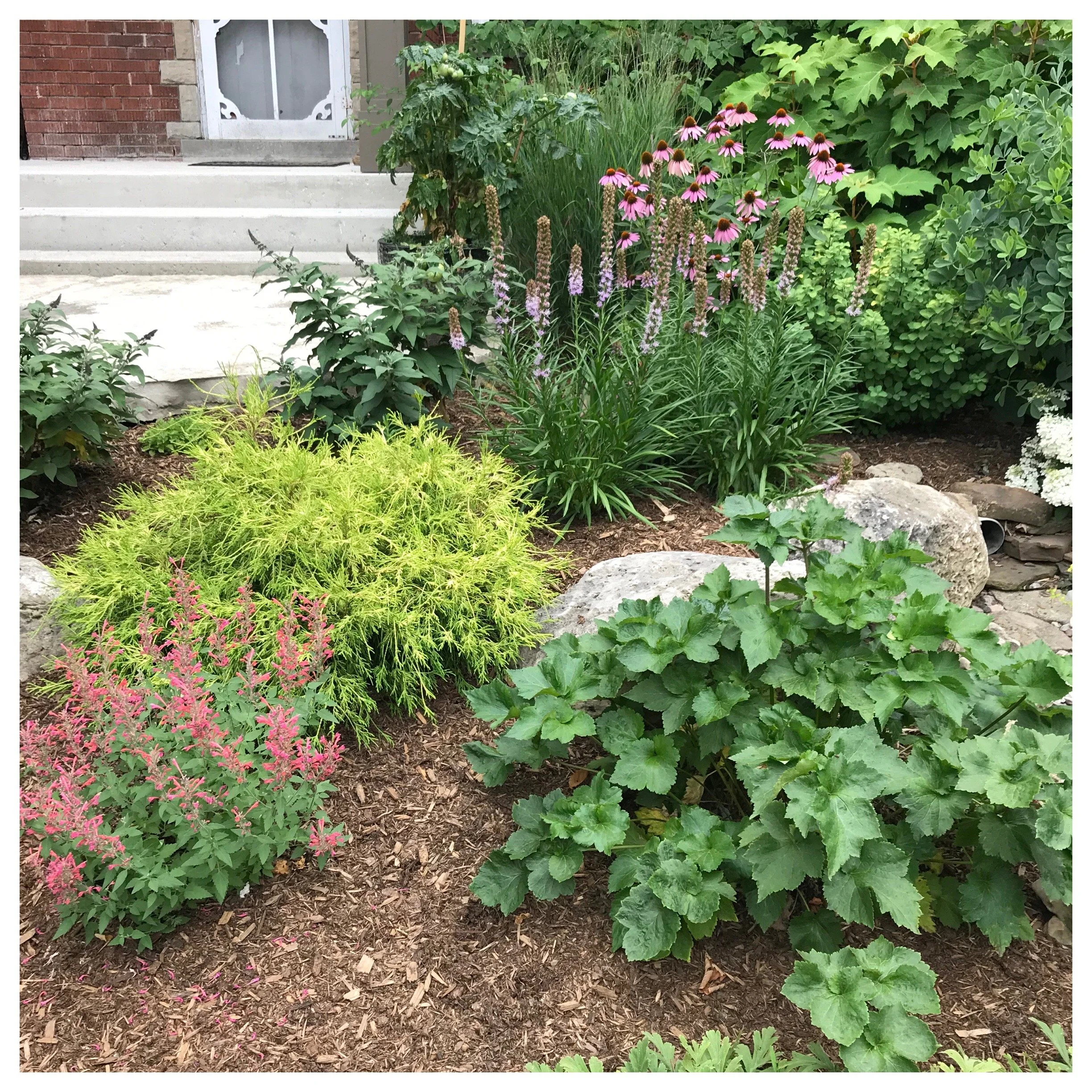
A garden that can be accessed by various features such as a dry riverbed (not shown) and rockery.

And thats a wrap!

Soil compaction... an important process that can have significant consequences on your garden and it’s inhabitants (and here you thought you were looking at simple footprints...).
The Big Experiment

(Originally posted: June 7, 2020)

As gardeners, we are no strangers to experimentation. I put the blame squarely on the plant world for this. With all the amazing flora available to fill our gardens, we are exposed to constant temptation each time we set foot in a garden centre.

How can one possibly resist a new plant, when staring at gorgeous foliage or stunning flowers? It’s hard to block out that instant to-the-core feeling that makes you want to jump up and down like a kid in a candy store and scream ‘I need that!’

We all know how this all-too-common scenario unfolds…

You spot ‘the plant’. You stop dead in your tracks and stare at this new found beauty. (Is that a single beam of sunlight shining down only on that plant? You can almost hear a voice whispering from above, saying “buy the plant!!”. It must be a sign…) You look at the plant tag to get a sense of how big this ‘potted beauty’ will grow, as well as the conditions required for it to flourish…

“Hmm…requires full sun (6+ hours of direct sun)…deep rich soil, moderate moisture… OK. I have dry shade…”

It seems painfully obvious that you just need to put the plant down and back away. But the internal dialogue continues….

”…but I get a bit of sun in the back corner, I can put it there… I’ll amend the soil… I promise to water religiously…”

The plant ends up in your garden (so much for the information on that plant tag!) and guess what happens next?

🎸Dum, dum, dum… another one bites the dust…🎸” You know that voice you heard? Turns out Freddie Mercury wanted the plant too.

My ‘OMG must have moment’ of the week. Full sun? Well…. the front yard receives almost 6 hours.

With all that said, not all garden experiments end with an earworm; experimenting in the garden can be rewarding too. Pushing the rules and boundaries can help a gardener learn just how much they can get away with, when it comes to the care of certain plants- which is really valuable information!

So this is why I have kicked off my own experiment this year: a food garden. This might seem like an outrageous statement coming from a landscape gardener but there are a few factors at play that make this a not-so-straightforward gardening project and one that falls more into the ‘experimental’ range.

  1. First of all, I am predominantly an ornamental gardener- my food gardening experience is limited and, while the principals of growing food and growing ornamentals are the same, I am not schooled in the nuances of the ‘edible plant’ palette .

  2. My yard is shady- technically part shade (3-6 hours of sun) where the raised bed is located. While some ‘crops’ can tolerate these light conditions, many do not, so I need to make my plant selections carefully.

  3. The newly founded ‘farm’ is within the dripline of a butternut tree (the point on the ground to which the branches extend overhead). This tree (along with other Juglans and Carya species) produces a chemical called juglone which inhibits the growth of other plants beneath it. Different plants have varying sensitivities to juglone, so I must choose crop plants that can not only tolerate shade, but also have some tolerance to this chemical. Fortunately, butternut trees do not produce the same concentrations of juglone as black walnut trees (Juglans nigra)- good news for my edibles!

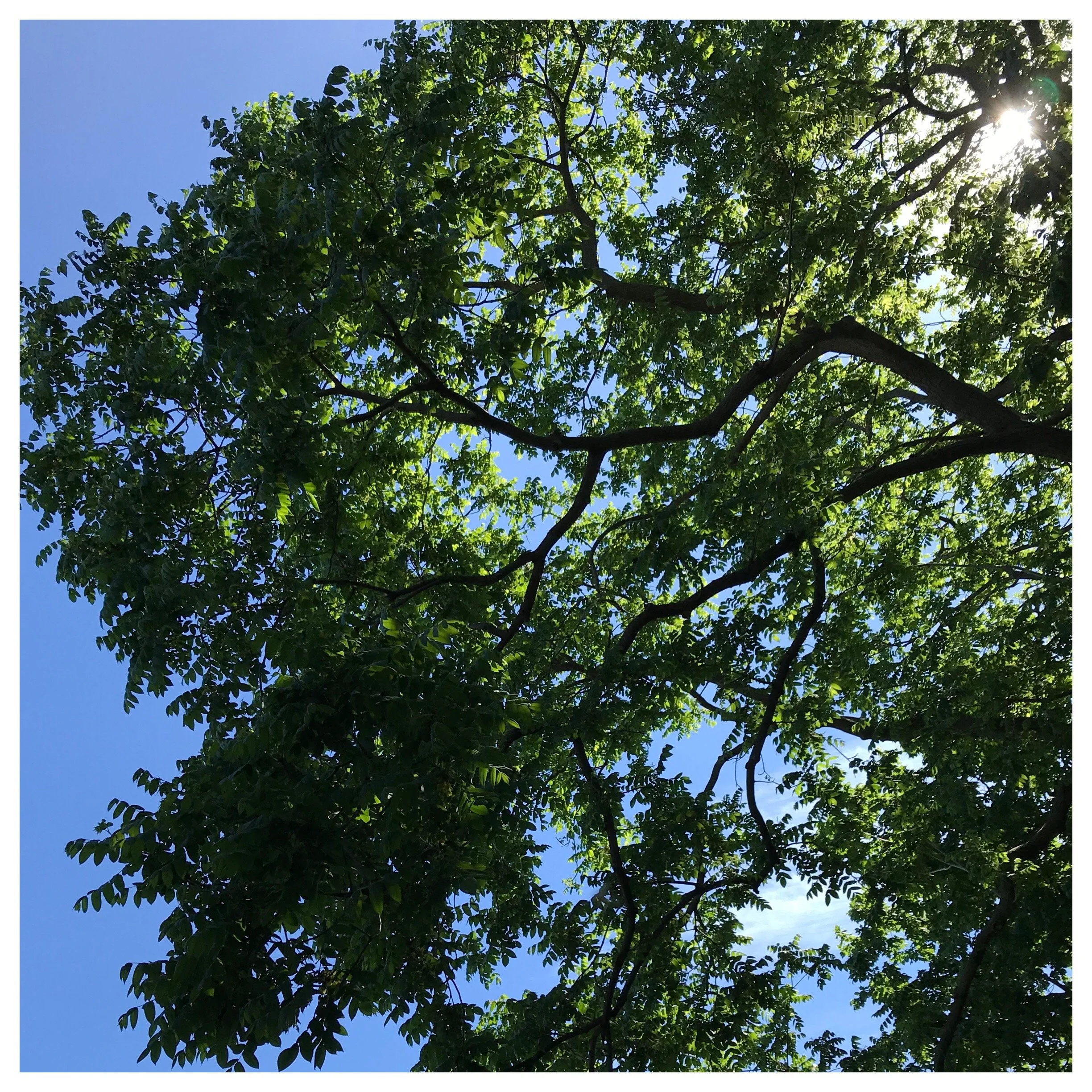
Gazing up at the butternut (Juglans cinerea) canopy. Is that the afternoon sun trying to peek through?

Despite these three factors, I am always up for a challenge and I have decided that the theme in my garden this year is “partial shade food gardening beneath a butternut”.

Wish me luck! It should be a good little experiment; and it has already become a true experiment. After being unsatisfied with the limited selection of plants tolerant to both shade and juglone (beets, beans, parsnip and squash), I decided to add cucumber, lettuce, spinach, carrots, broccoli, cauliflower and eggplant to the mix… just to see what happens. If the results are good, you will read about them in future posts; if they are bad, we will forget this post ever happened (just kidding- I’ll post the failures too, after all we can learn a lot from them)!

Happy experimenting!

Garden Reflections

(Originally posted: March 16, 2020)

Hello and ‘long time no see’! I am coming out of my winter cyber-hibernation and thought I would write a post completely unrelated to the current events of today. This post will certainly seem petty compared to what we are all facing these days, but regardless, let’s take a ‘pause’ from the day-to-day and do some reflection instead…

Awakening from slumber! (Photo credit: Josee Duckett)

I was once told by someone abroad that ‘Canadians talk in seasons’. 

I paused to reflect on that statement for a moment and realized it’s truth. I could think of a million ways we (‘we’ being us ‘temperate climate-folk’) refer to the cycles of nature in our every day conversations; often refering to the seasons as a point of reference as opposed to using a month.

“She had knee surgery last fall”

“We have an art exhibition coming up in the spring”

“Come winter I will organize my house” (yeah right.)

For gardeners, this tie to the seasons is especially strong: after all each season has a lengthy task-list of things we should accomplish. With that said we flow through these tasks from spring clean-up to fall close-up in a gardening continuum that is so seamless that we often look back on the growing season and wonder where on earth the time went. 

After gardening in the same location for many years, we become greatly in tune with how our gardens change as our earth makes it’s annual voyage around the sun. In a sense, we become calibrated to our specific areas; we have ‘normal parameters’ mapped out in our minds and we develop an innate sense of how, and generally when, the gardening season will unfold. With this overall picture, we are able to recognize and try to adapt to variations thrown our way by Mother Nature (such as a late season frost, an abnormal amount of rain, unusually cold temperatures, etc.) and we are able to roughly plan out our future seasonal tasks. 

I didn’t quite realize how ‘rooted’ this connection was until I was ‘plopped’ into a different gardening zone/climate and a different landscape. While gardening principles remain the same, I feel not unlike a fish out of water. I am now recalibrating to different timelines, soil conditions, climatic conditions and planting palettes. It is both unnerving and exciting. One can’t be a gardener without having a constant desire to learn, and what a better way to learn than to completely ‘pull the rug out from beneath’ oneself?

My first step is to understand my seasons: how and when they unfold. It is this unknown that is the root of my unease. Would that be because I am “Canadian” and my seasonal reference points have been partially thrown out the window or because I am a displaced gardener lacking a local connection to the fundamental processes that drive the changes in the environment and plants that surround me? Likely a bit of both.

So as the gardens in my ‘native’ area stir from their winter sleep, I look out at my new gardens still tucked-in snugly under their blanket of snow. It is this juxtaposition between my two ‘gardening lives’ that warranted this little pause for reflection...