Summer Gardening

Temper your Enthusiasm

(Originally posted September 15, 2019)

The crisp nights and cooler days have arrived- a sure sign that fall is around the corner. Fall is generally a time of yard work and many people become very enthusiastic to tackle outdoor chores- even people with no interest in their yard whatsoever throughout the rest of the year tend to catch the ‘gardening bug’ during the autumn months. Often this enthusiasm is directed at whacking back various trees and shrubs in their yard. While there is certainly lots to do before the snow flies, pruning is the one task that we want to minimize at this time of year. (Sorry Edward Scissorhands wannabes!)

Let’s start with the effect that pruning has on a tree or shrub… it promotes new growth. New growth is tender and needs time to toughen up to the environmental conditions around it. At this time of year, our frosty mornings are just around the corner. If we prune now, new growth that emerges will not have the time to properly harden off before the cold weather hits, which can ultimately lead to death of the new plant tissue… therefore you will get dieback. On deciduous trees and shrubs (ones that lose their leaves for the winter), this dieback would be apparent in the spring; on evergreens it could become obvious during the fall and winter months. Dead new growth is not the nicest thing to look at on a plant that is supposed to stay green for the winter!

Furthermore, plants are using this time to start shutting themselves down for the winter. They are gathering sugars and carbohydrates from their leaves and storing them in their stems, trunks and root systems; valuable energy to help the plant survive the winter and flush out new growth in the spring. Removing the leaves before they fall doesn’t allow the plant to relocate these sugars to their ‘winter storage facilities’ and therefore the plant is robbed of it’s energy sources for the months ahead. Additionally, the stimulation of new growth through pruning counters what the plant is trying to do. Instead of putting energy towards properly ‘shutting down’ it is putting energy towards new growth; this can weaken the plant going into the winter.

While it is true that plants can rebound from a late season prune, it is not an ideal time for this gardening task.

So… if you feel the call of the pruning saw, hedge shear or lopper- ignore it! Opt to warm up some apple cider, mosey through the garden, and start your ‘to do list’ for next year. Those shrubs and trees that you are just dying to hack back now will still be there in the spring and they can be first on your ‘hit list’ for a dormant season prune come a mild day in March***! Not to mention, with all that energy [properly] saved-up for a spring flush, the plant will be able to quickly rebound from your ‘haircut’.

Can you hear that?

That is the sound of your shrubs and trees breathing a huge sigh of relief.


***While any plant can be pruned in the dormant season, it is important to note that if you prune anything that flowers early in the growing season, you would most likely be removing flower buds. For these plants it means that a hard prune = no flowers for the upcoming growing season. While some people may gasp in horror at the thought of this, sometimes it is a necessary evil in order to renovate an overgrown shrub. More on pruning and timing of pruning in future posts… I promise!

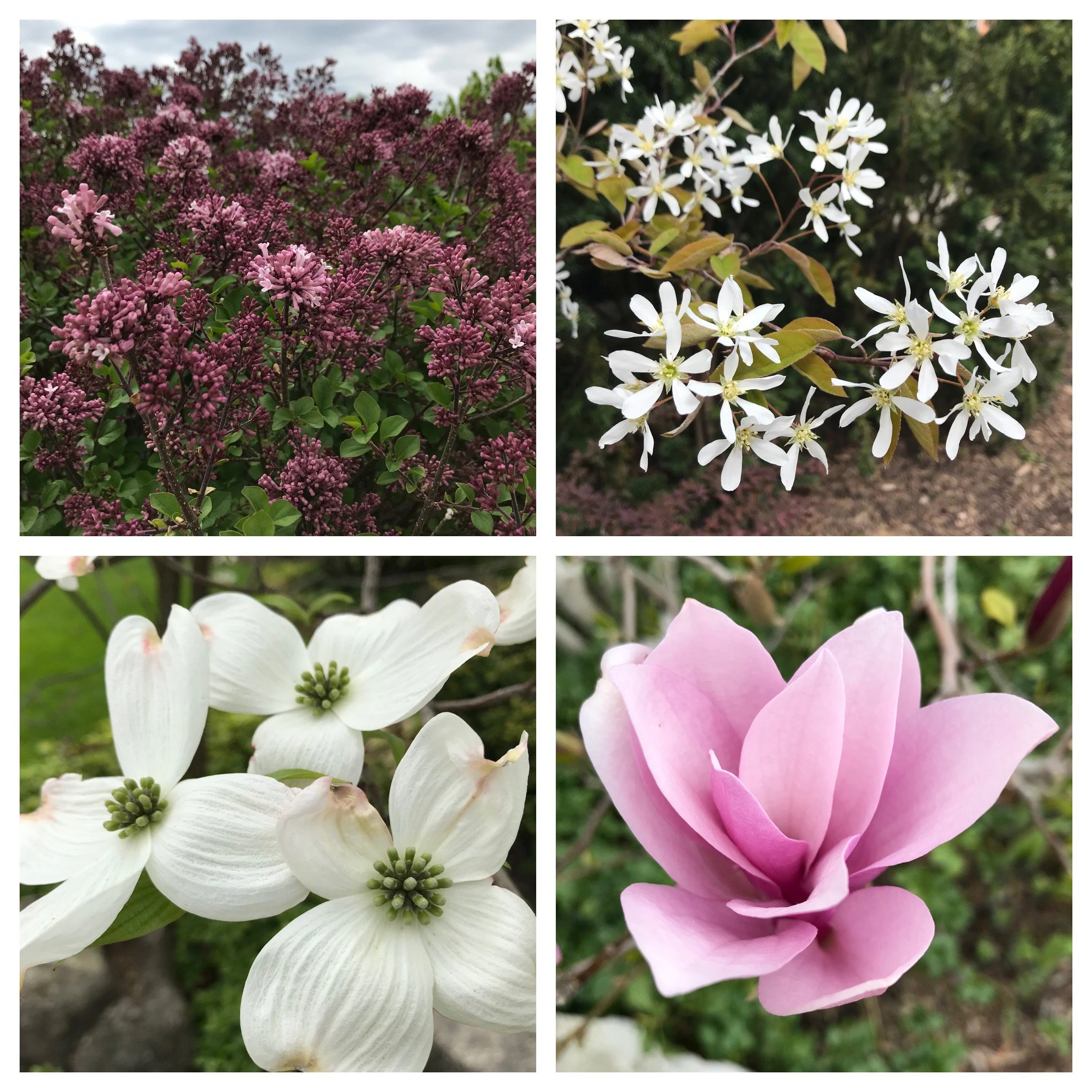
Remember these early season beauties? A prune at this point in the year (or any time leading up to their flowering period) would remove their flower buds. Believe it or not, plants such as these are already prepared for their 2020 show!

Clockwise from top left: lilac (Syringa sp.), serviceberry (Amelanchier sp.) magnolia (Magnolia sp.), Dogwood (Cornus sp.)

Keeping Things in Check

(Originally posted: August 28, 2019)

We are in the dog days of summer and while it may seem like our gardening ‘to do’ list is virtually complete, there are certainly tasks to be done!

At this point in the year we have a lot of the growing season behind us- which means our plants have had many months to increase in size and fill-in. I know it sounds crazy, but this can be a problem when it comes to some plants and now is a great time to address excessive growth and keep things in check.

Take groundcovers for example…

Groundcovers are great. They are perfect filler plants in the garden, great for edging a perennial boarder, or growing plant material in an otherwise troublesome spot. By their nature they are supposed to spread- this is why we use them! But every now and then, they need a gentle reminder that they are not the ‘be-all-end-all’ in the garden. It’s kind of a “I love you but…” conversation only it doesn’t need to end in tears.

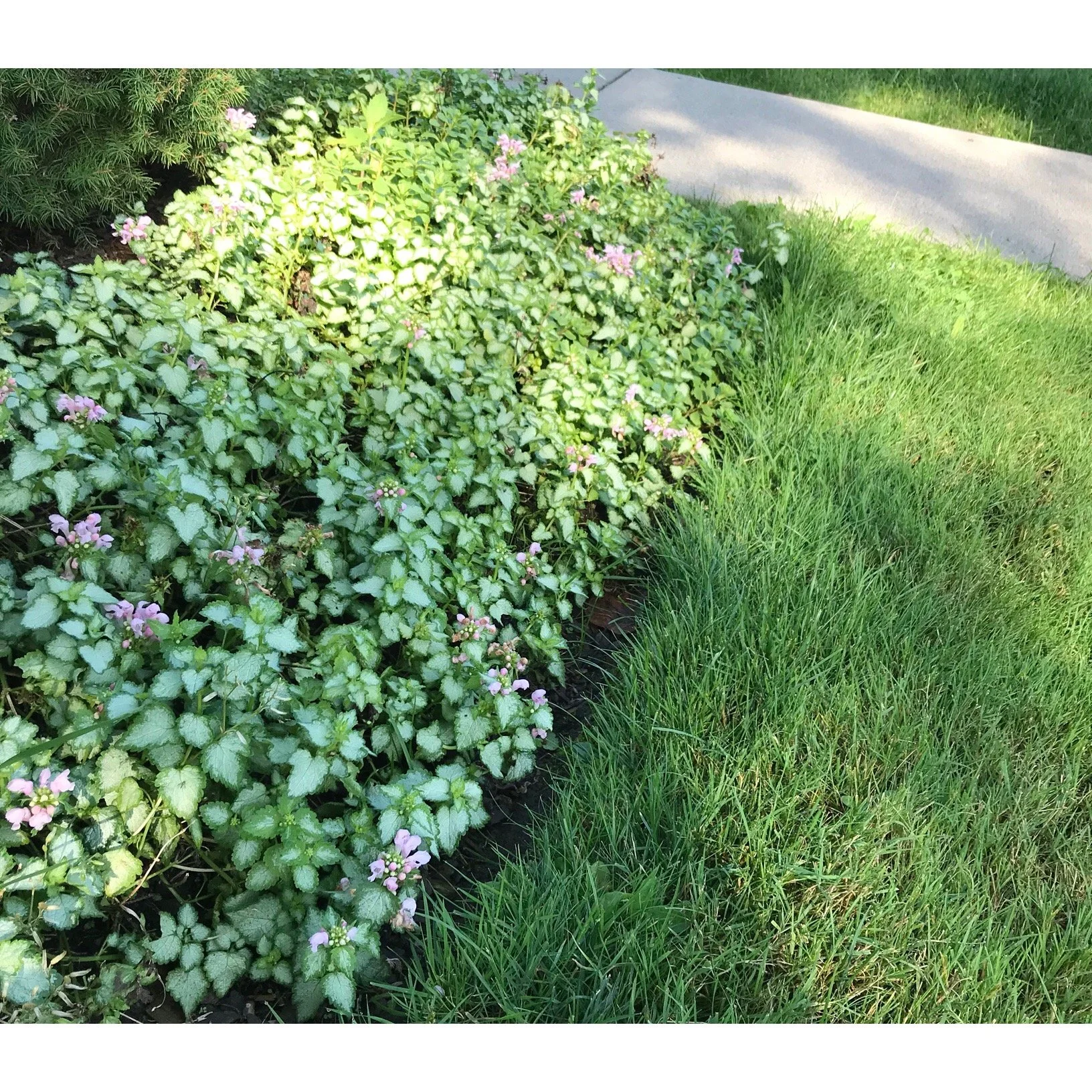
Take this Lamium for example…

In this case, the conversation would go something like this…

”I love you because you are very pretty along the edge of my garden but… c’mon, do you really need to try to make a run for it out of the garden bed and into my lawn?”

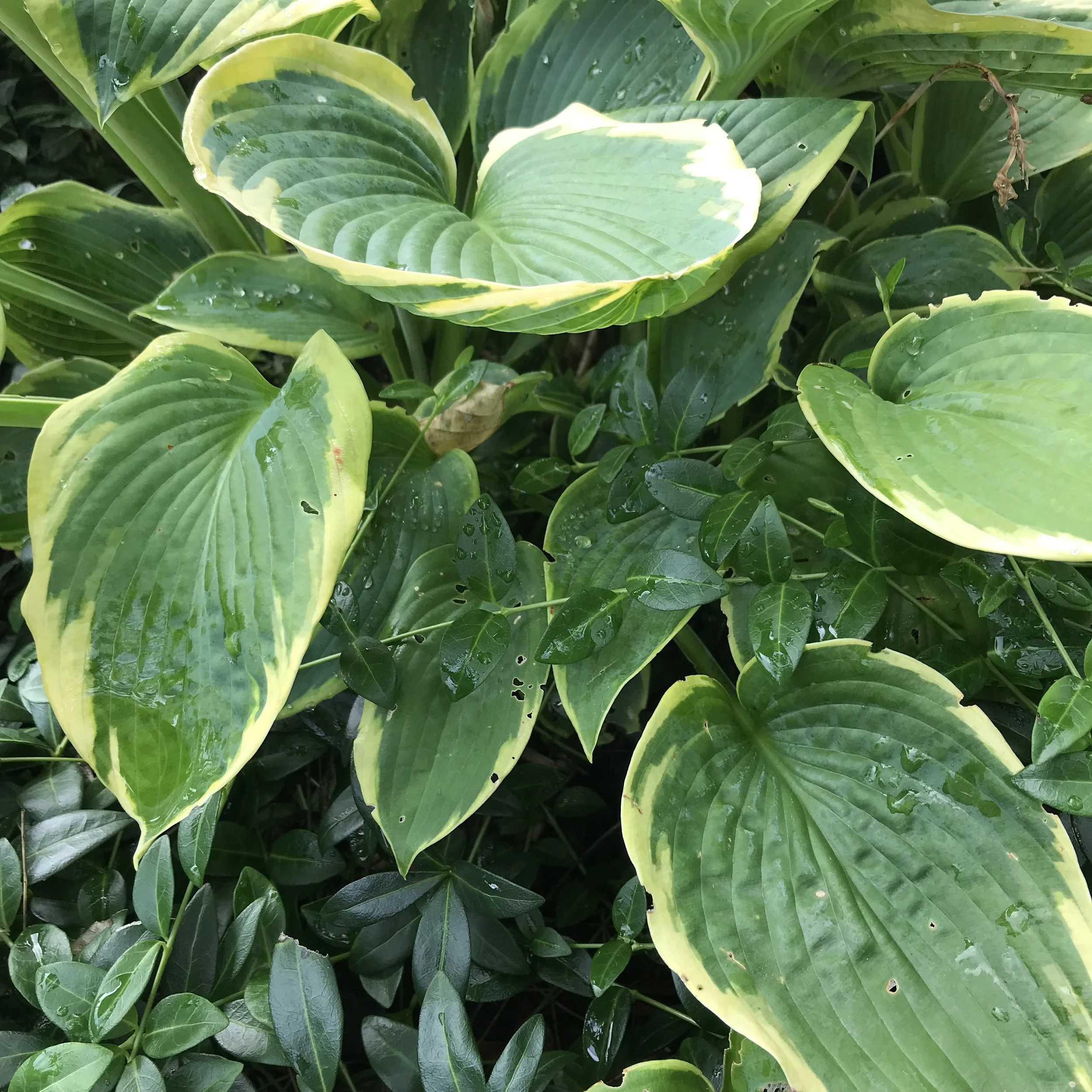
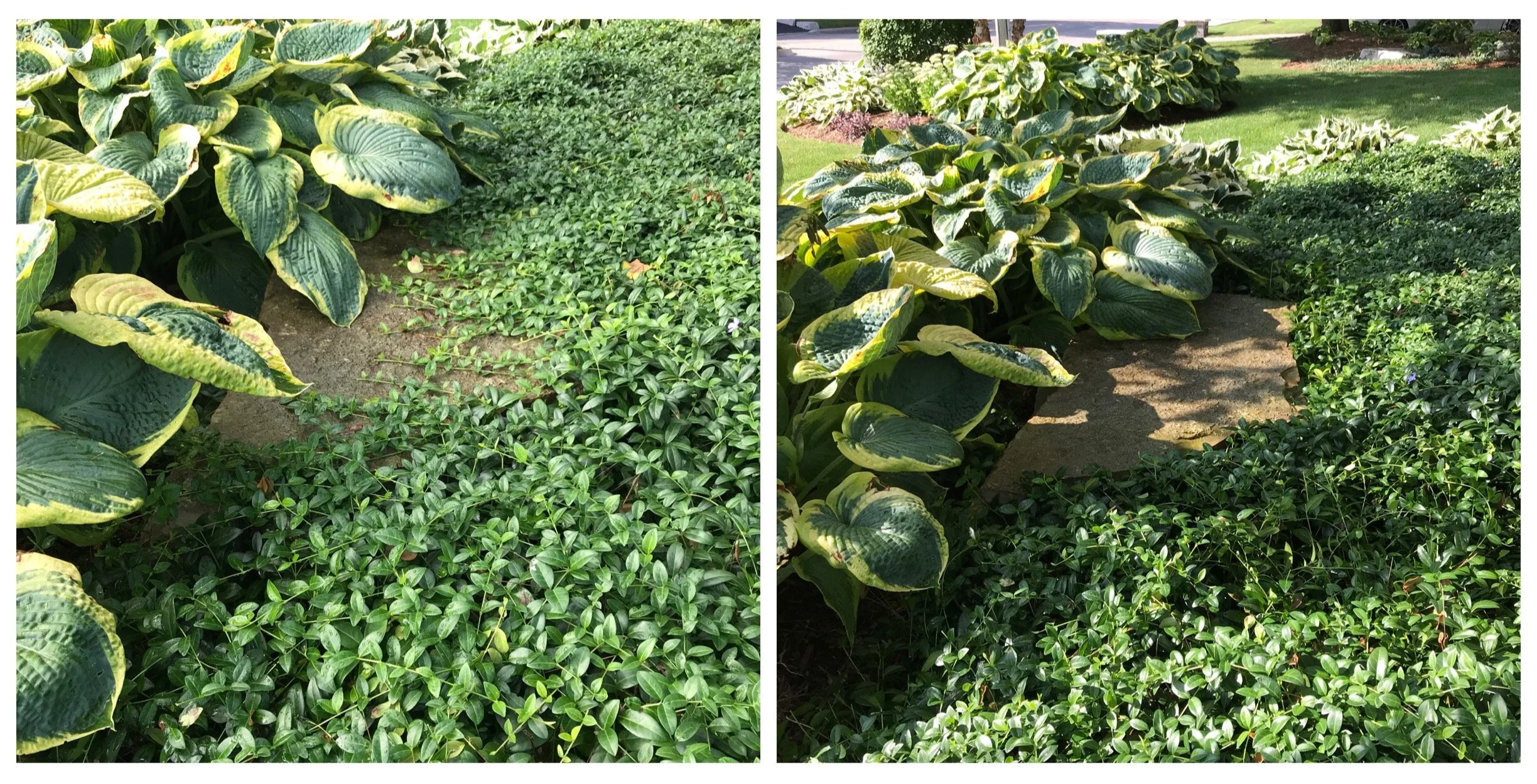
Or how about this Vinca (look carefully for it)

I love you because you provide such a rich green evergreen carpet for me, but… do you really need to try and overtake my other babies?

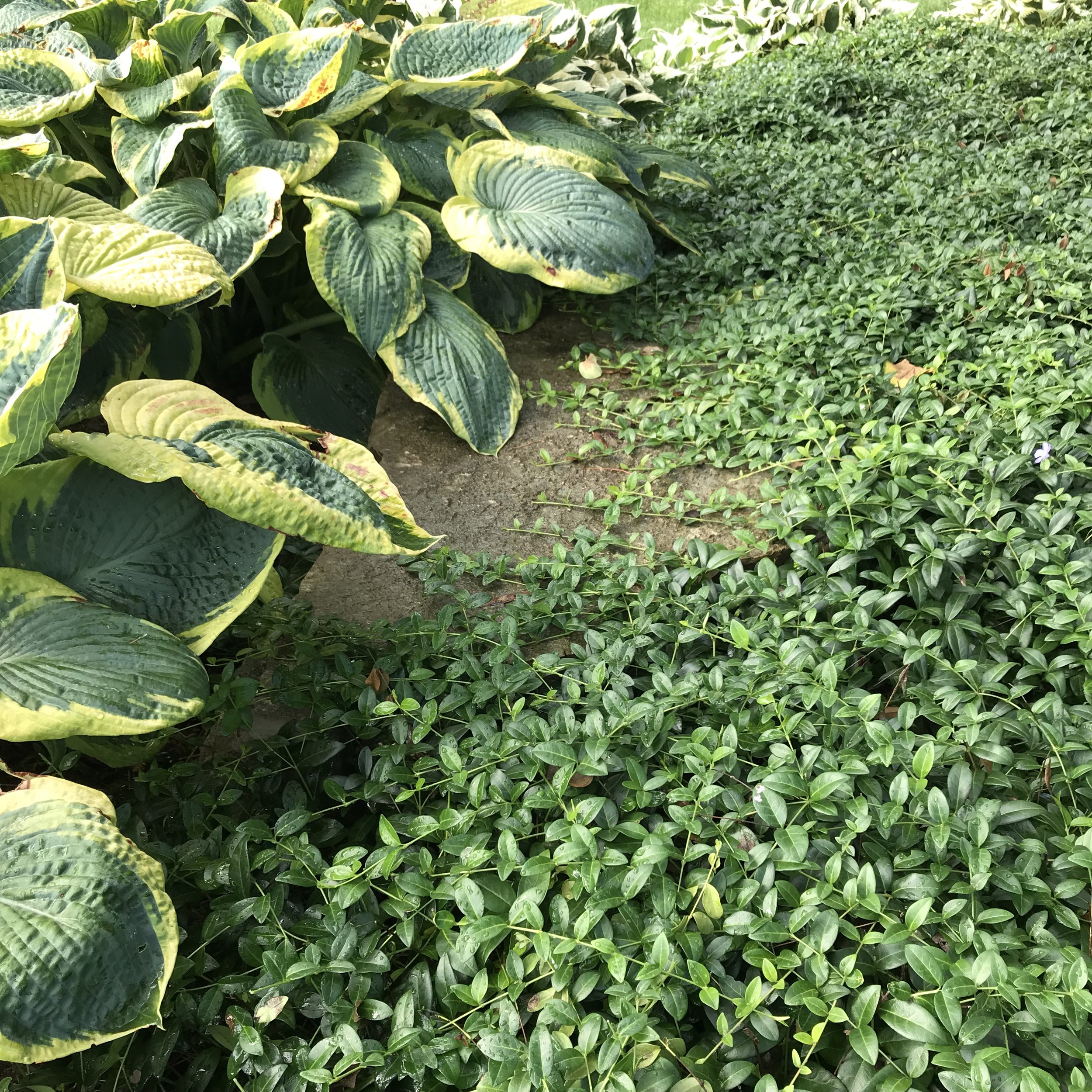
And to continue the conversation with Vinca

”I love you but… I also love the look of my hardscape. I know this rock doesn’t change with the seasons, provided any sort of greenery, or flower, but I spent a lot of money on it, I think it is pretty in its own way, and would really like to see it. Besides, it really helps to set off your beautiful green leaves and oh so pretty flowers” (In this instance, flattery helps soften the blow.)

As with most relationships, you cannot expect your partner to change… these perennials will always spread so we must work with them to keep the relationship running smoothly. Time for a bit of maintenance!

The Garden Edge

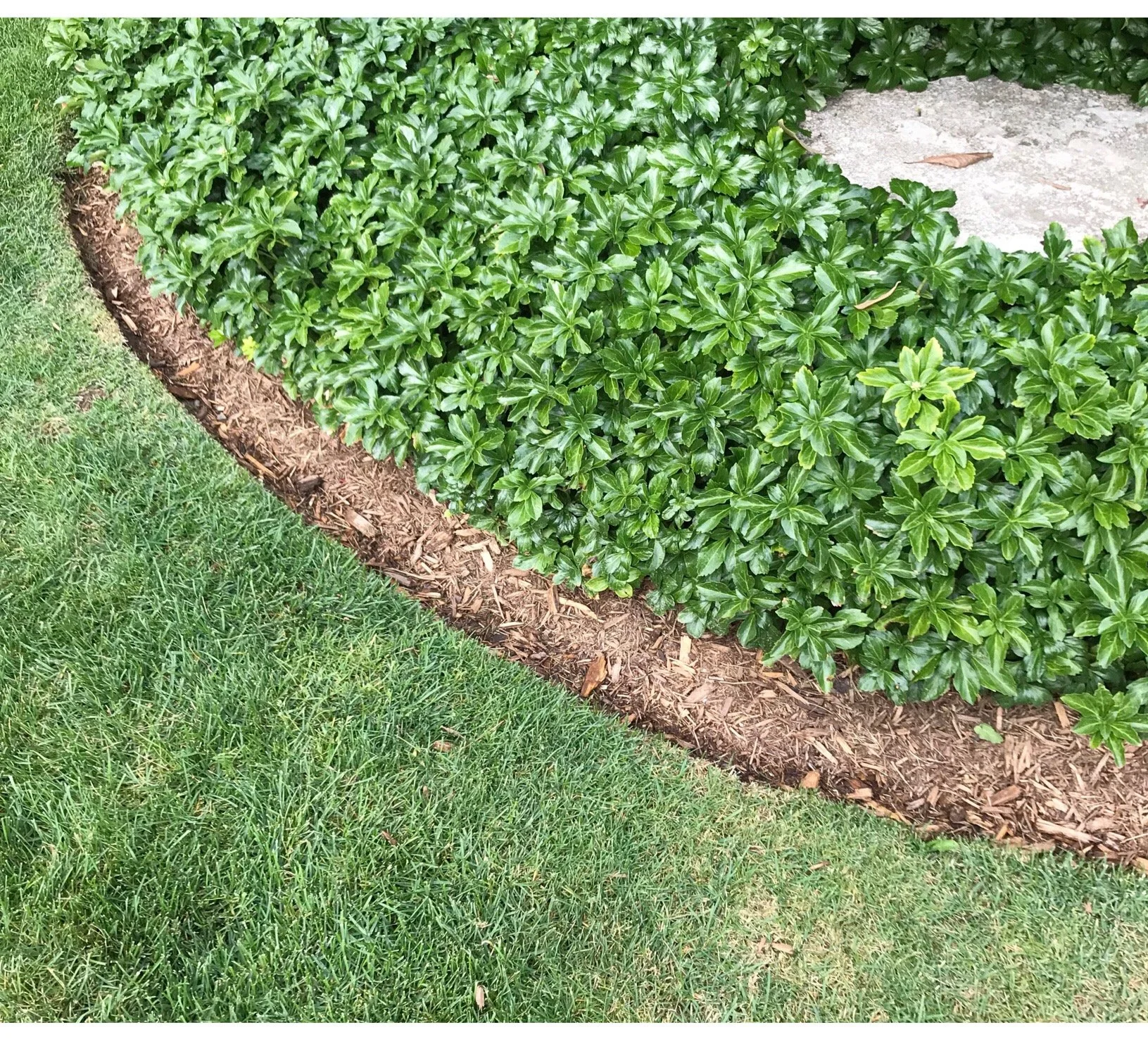
Let’s start with the ‘grass is always greener on the other side [of the garden edge]” type of groundcover. First of all, I should start by saying that if your groundcover does in fact reach your lawn, it becomes a nightmare to remove. It is so much easier to control it while it is in the garden bed. With that said, I always like to make sure there is a very distinct boundary between the leading edge of the groundcover and the edge of the bed- about 15 cm/6” or so. I find this strip of mulched area in front of the groundcover ensures the lines of the garden remain clear, even from a distance. Having this space also makes line-trimming of the lawn easier- no perennials to accidentally get in the way.

Freeing the Plants

Moving on to the groundcover that likes to swallow up every other plant in it’s path.

Whether you like a continuous green look to your garden bed, or you like your plants to look distinct from one another, it is important to not let your groundcovers grow over top of your other plants. Losing your other plants to an aggressive groundcover is a problem that ‘creeps’ up on you before you realize it! For this reason, occasional trimming and even pulling out groundcover from around the base of your other garden plants is generally good practice to keep your plants from being swallowed up and lost forever!

Keeping the Hardscape

Last but not least: the groudcover that picks a fight with your hardscape (which is the ‘hard’ components of your landscape such as wooden structures, patios, walkways, retaining walls, and rockery). To ensure these hard features remain ‘features’, some routine clipping is in order. You can clip a hard line if that is your preference, or you can scale back the plants and leave some to soften the edges of the hardscape. How you tackle this problem depends on your style and the look you are trying to achieve in your garden!. In the case of the Vinca overgrowing the rock, I tend to clip a hard line because new growth will soften the edges rather quickly (especially earlier in the summer when things are very actively growing).

One Final (and very important) Note

For all the tasks described above, physically removing groundcovers is often necessary. It is important that this step is done right otherwise the problem can become much worse!

When pulling groundcovers, it is VERY important to know how they spread so that they can be pulled-up or dug out accordingly. Some plants, will grow above the soil and send down roots wherever their stems make contact with the ground such as Vinca (periwinkle), Hedera helix (English ivy) and Lamium (deadnettle) . Others will will spread below the soil, and send up shoots from their ‘root system’ such as Pachysandra (Japanese spurge) and Convallaria majalis (lily-of-the-valley). While this is a highly generalized description of groundcover growth (this topic certainly warrants a dedicated post) I think it gives you the basic idea- groundcovers are really really good at sending out roots and shoots from various points along their stems/roots.

What does this mean for effective groundcover removal? Leave no piece behind! Roots and shoots must be completely removed for a groundcover to be removed from an area of your garden (in some instances, you may need to dig down close to 15 centimetres to remove all the roots!) Just know that any pieces left behind both above and below the soil are eligible to sprout into ‘new’ plants.

So… it’s time to look at your garden with a critical eye- look for those sneaky plants that are trying to take-over areas that they shouldn’t, inspect how they grow both above and below the ground and then give them a little reminder that you love them… but they need to play nice with the rest of the garden so that everyone can be happy!

Deadheading Technique #3: Pruning to a Lateral Bud

(Originally posted: August 17, 2019)

Well hello there… it’s been a while! No, I have not given up on this blog or had writer’s block, I have simply been relatively unplugged for the last couple of weeks, save for the GROW Instagram account. Despite the time away, believe it or not, not much has changed in the gardening world. In reality, the tasks I am completing today are essentially the same as those that I was completing two and three weeks ago… deadheading, deadheading and more deadheading!

So, with that said, I think it is time to address the last main deadheading technique that gardeners use, and that is deadheading to a lateral bud/flower.

This technique is really easy, once you know what you are looking for. So let’s start with the basics… what on earth is a lateral bud or flower?!

Let’s have a look at this Echinacea below… if you follow the main stem from the ground up, you will notice that the stem terminates in a flower. It should be no surprise that this is called the terminal flower (which originated from a terminal bud).

Now follow the stem back down until you notice a branch of sorts. This is a secondary growing point that originated from a lateral bud (a bud that sends growth sideways); in the photo below, that sideways growth is well on it’s way to becoming a lateral flower.

As this Echinacea flower stalk enters it’s blooming period, the flowering will begin at the terminal flower bud and work downward. As flowers wane, the spent flowers can then be deadheaded to the bud that is next in line. For the Echinacea, the cut would be here…

Not all lateral buds are as obvious as those on the Echinacea. Have a look at the Monarda (beebalm) in the photos below… if you follow down the stem from the top flower you come across two buds nestled into the stem.

Pruning to the lateral buds involves cutting the stem of the spent blossom just above those buds…

Deadheading of Monarda (bee balm) to lateral buds- this can extend the bloom period of this perennial.

Even trickier are plants such as Platycodon (balloonflower). The buds for new flowers are actually right next to the old blooms. In this case it is just the spent bloom that gets removed, while being careful not to snip any buds in the process! The photo below shows the flower buds of balloonflower. The largest one will bloom first, get snipped off at the yellow ‘cut’ line and the smaller bud is next in line.

In general, a lateral flower bud is not always a guaranteed bloom. This deadheading technique encourages these lateral buds to flower and therefore this technique helps to extend the bloom period of many perennials.

What is the mechanism at play here? Think of it this way… a plant’s main purpose is not to put on a pretty floral display for us, it is to reproduce. If a plant flowers and is allowed to set seed, it can consider it’s mission complete- no need to send out more blooms! The plant’s resources get allocated towards seed production, instead of additional flower production.

I like to think of deadheading to a lateral bud as a way of freeing-up that lateral bud to bloom.

One Final Step

Once the blooming period is complete, some perennials (ones that have a clump of foliage at the base of the plant- known as basal foliage) will get one final snip. For these plants, the spent flower stalks are cut down to the basal foliage. This often tidies the look of the plant. With that said, I tend to leave flower stems standing on plants that provide food (in the form of seeds) for wildlife; plants such as Echinacea (coneflower) and Monarda (beebalm) are only a couple in this category. Additionally, I will leave plants standing if they have attractive seedheads. Yes, I will admit, I am thinking about winter here, but it is important to keep in mind that winter is, in fact, a season and seedheads are a really great way to have interest in your garden during the months of frost and snow!

So…there you have it! Deadheading to a lateral flower or bud. Now it’s time to get out in the garden and inspect your perennials… take a good look at how they grow. If you get close enough, they will speak to you and tell you how to prune!