Garden Maintenance

Springing into Action!

(Originally posted May 2, 2022)

Hello?!? Is anybody out there? Remember me? I am not offended if you don’t. It’s been quite a while since my last post. As much as I love writing about gardens, this is a side project for me; I do it strictly for fun and sometimes the fun things get put on hold when life gets busy. With that said, I am back and still planning on writing, so if you are willing to continue following my blog, then I am thrilled to have you along for the ride!

It’s hard to believe we are at the start of another growing season. Yay! Spring is here!

Spring. It’s an aptly named season when you really think about it: new life is ‘spring’ing forth from the earth after a long winter slumber, the sun is putting an extra ‘spring’ in our step as we gleefully skip along while the sun’s rays kiss our vitamin D deficient bodies, and we all ‘spring’ into gardening action at the first hint of a warm day. (At what other time of year does 10 degrees Celsius feel balmy??)
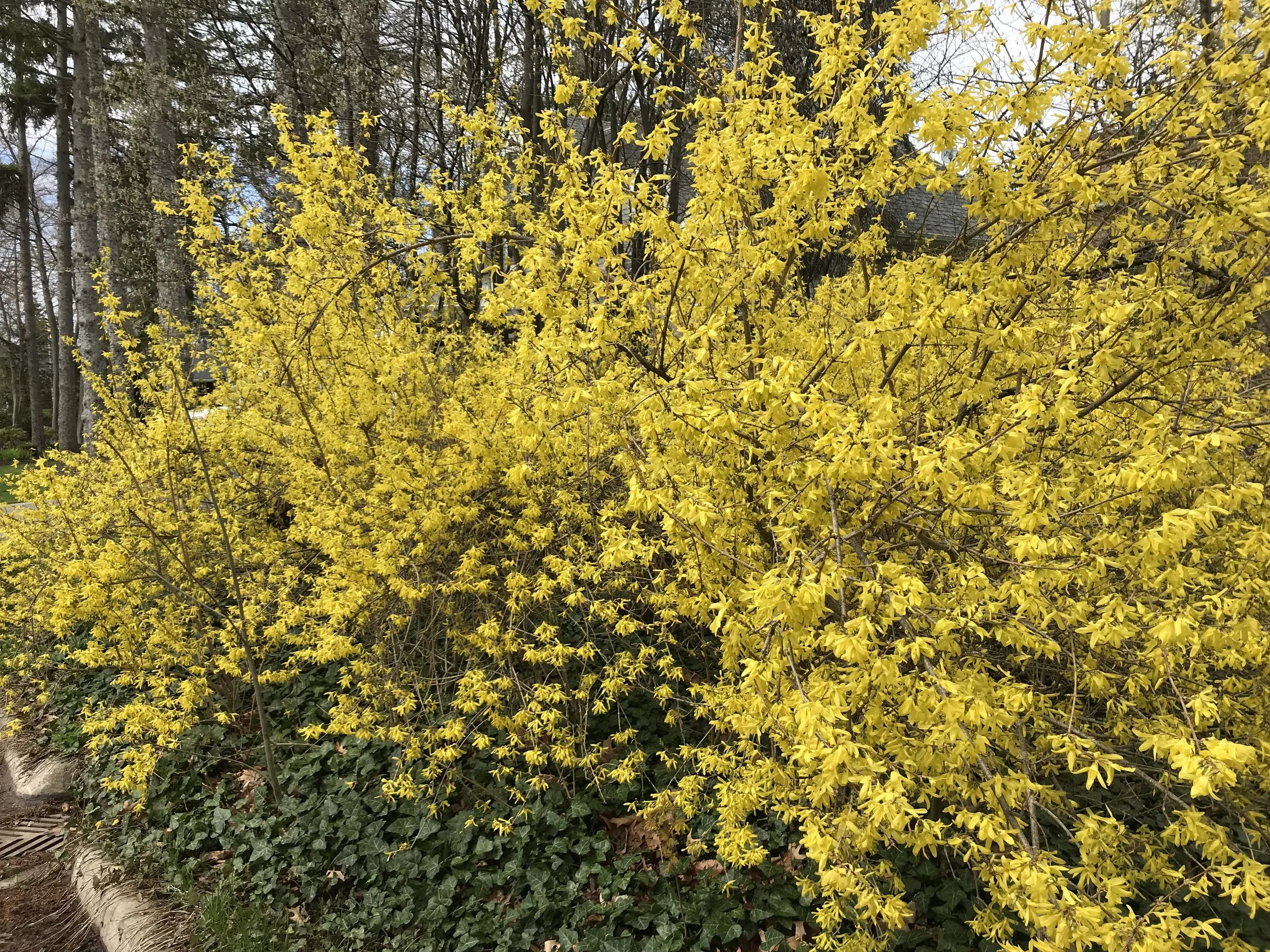
Forsythia spp.- a sure sign of spring.

Garage/shed doors are thrown open; gloves, hand tools and rakes come out (Ug. Did I really put those away in that condition?) and we get to work. Our desire to usher out winter and welcome spring is all consuming. With all that pent-up gardening enthusiasm we often get overly zealous with our spring tasks, so it is easy to get ahead of ourselves... which leads me to two main gardening mistakes that we tend to make in early spring:

  1. Cleaning up the garden too soon

  2. Mulching too soon

Lets look at each of these in turn…

Premature Garden Clean-up

So the equinox has come and gone, warmer weather has made an appearance… oh wait… now it’s gone… now it’s back again… and now it’s snowing?!? Ah yes, spring is an indecisive season. For this reason, it is best to refrain from cleaning out the yard on those first few warm days because severe weather can follow soon after. All the leaves on the beds, and standing herbaceous perennial foliage, can buffer garden plants (and soils) from harsh temperature swings and wild weather. Additionally, all the old flower stalks, perennial stems, and leaves in the garden are valuable overwintering sites for beneficial insects. Leaving everything in place for a little longer allows these beneficial organisms to emerge, enabling them to play a valuable role within the garden ecosystem in the months ahead.

Despite the benefits of all the ‘dead stuff’ in the garden, if you feel you must clean up a little, focus on areas where leaves have piled up over the winter months and make sure these leaf piles are not smothering evergreen foliage or perennials below. I usually do this ‘preliminary leaf clean-up’ within the first two weeks of April and then do a more thorough tidy-up (which includes cutting back herbaceous perennials) sometime between the middle to the end of April.
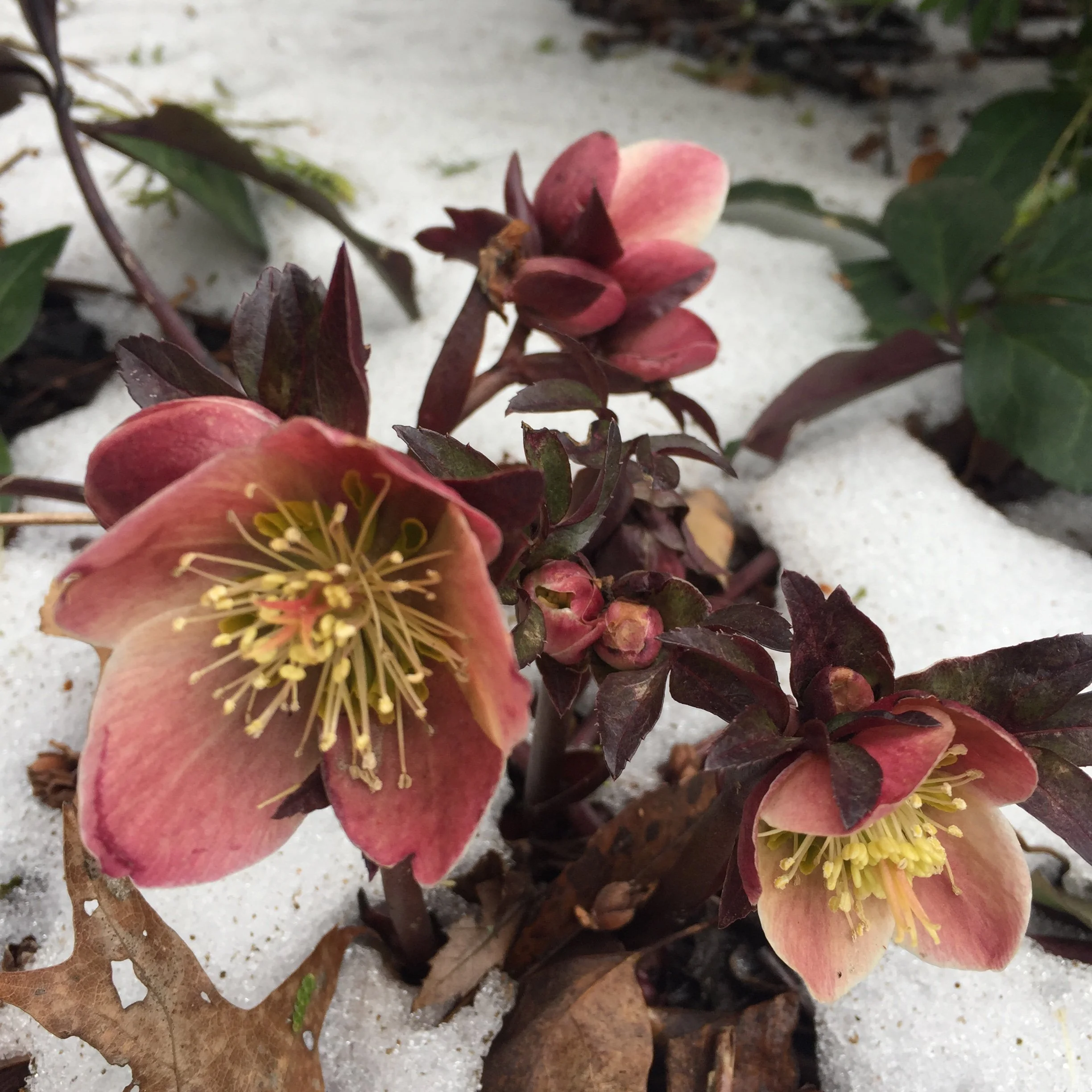
April snow is often cursed but not overly not unusual in these parts. It’s one of the reasons we need to temper our enthusiasm and hold off on spring clean-up until later in the month.

Mulching too Soon

No question about it, mulch on a garden looks great. (With the exception of red mulch…just don’t do it. Seriously.) Aside from aesthetics, mulch is valuable in many other ways but it’s useful properties make it more of a garden liability when it is applied too early in the season.

For example, mulch has an uncanny ability to prevent the evaporation of water from the soil. This is fantastic during the dog days of summer when rainfall can be scarce, but during the spring when rain is in abundance, we are often dealing with overly saturated soils. Depending on your soil texture, it can take a fair amount of time for soil moisture levels to decrease (clay soils take much longer to dry out than sandy soils). Putting mulch on saturated soil will prolong the length of time it takes for garden soil to dry out. In the meantime, some plants can suffer in the waterlogged conditions and some may rot away.

Mulch is also amazing at blocking sunlight. It is the main reason why it is able to suppress weeds- a thick layer of mulch blocks the light that plants need to grow, and that weed seeds need to germinate. Now take that same mulch and put it over top of perennials just starting to emerge, and you’ve got yourself a problem. I see this issue quite often on properties where landscape crews (who do not know the placement of garden plants that have yet to ‘wake up’) mulch too early in the season and inadvertently cover up (and sometimes smother) garden plants. Whoops.
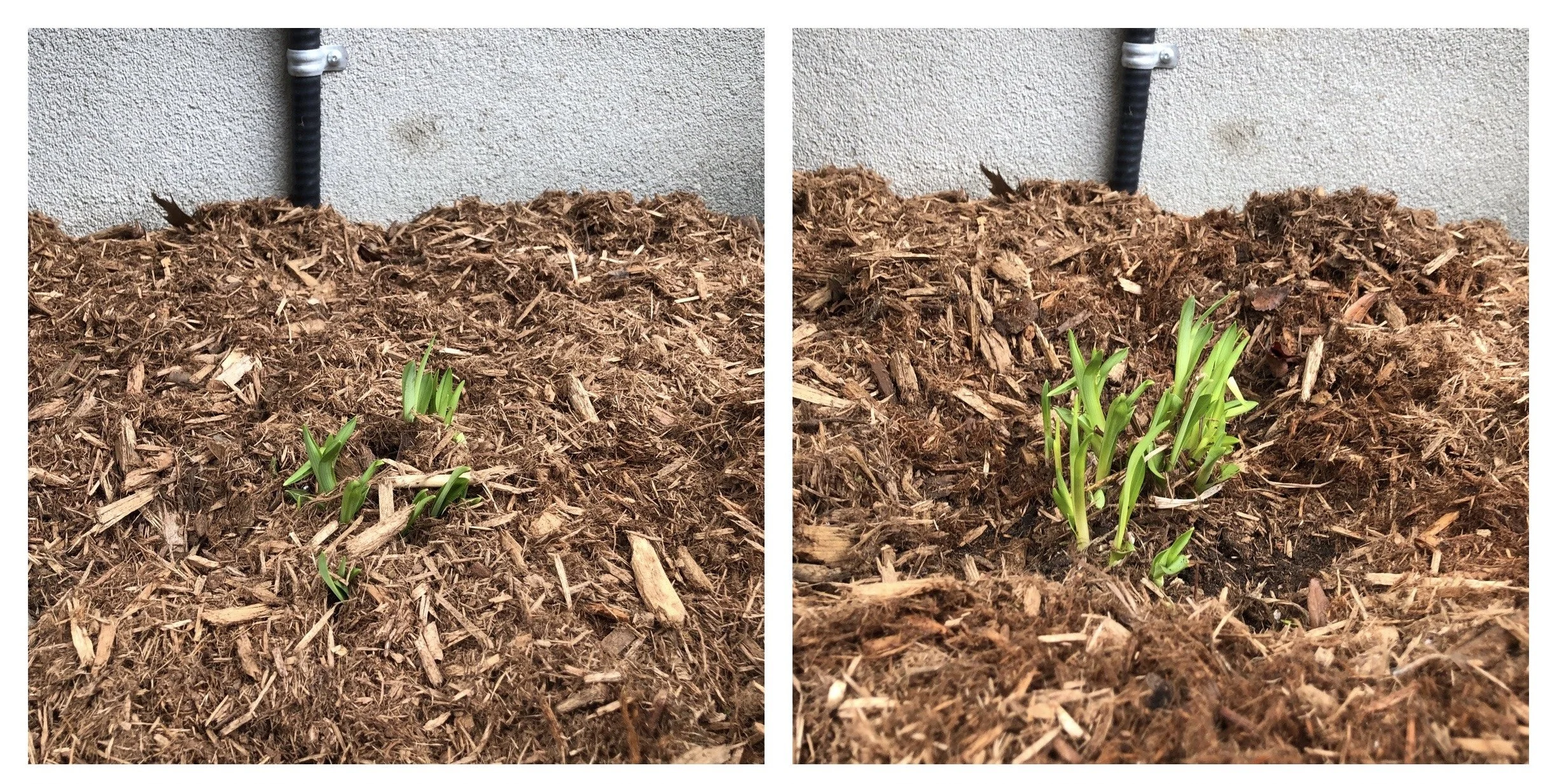
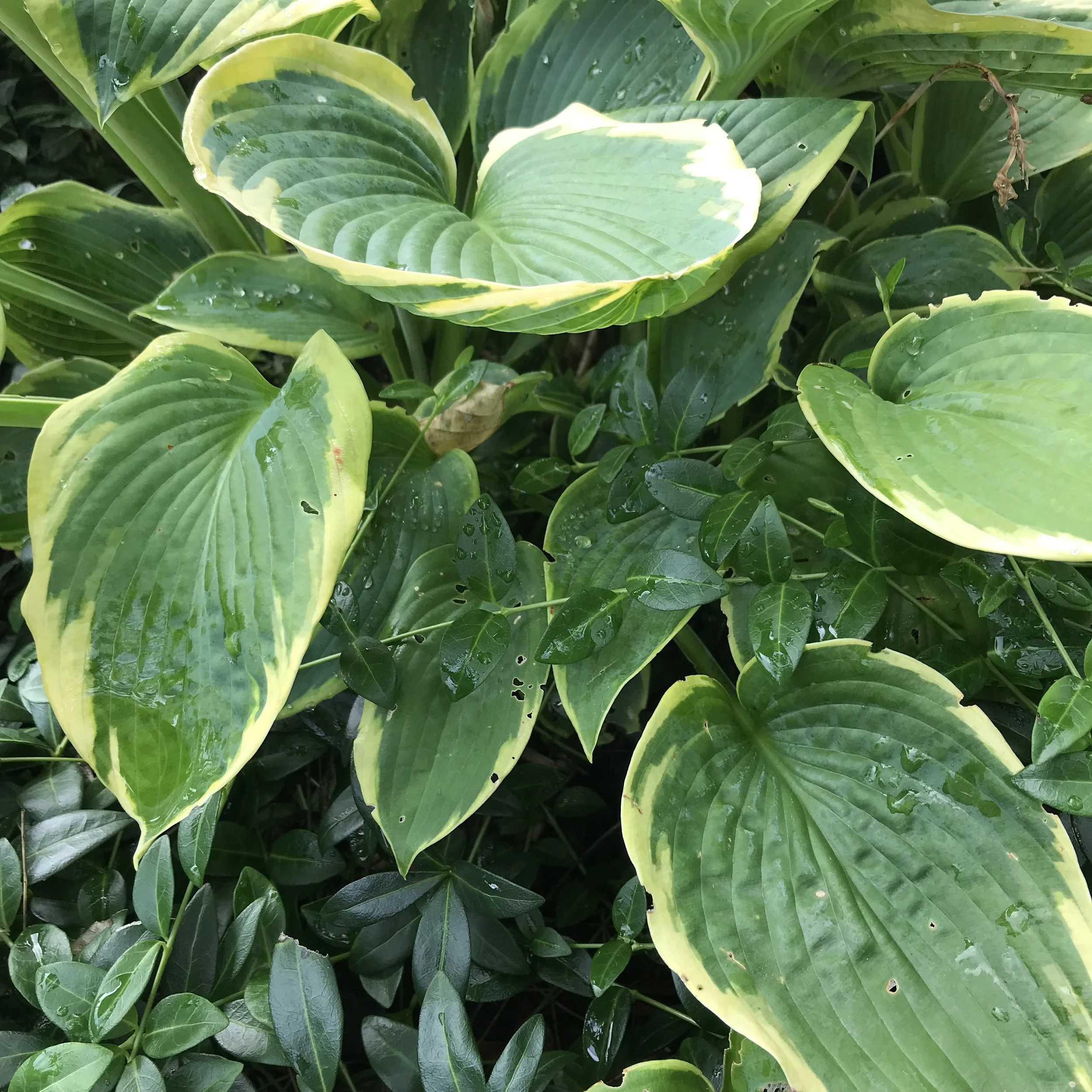
A Hosta mulched-over by a landscape crew. Luckily this one had already emerged and was freed from the thick mulch blanket. Remember- mulch does not get put over top of plants, it goes around them! It’s hard to apply it properly if you can’t see the plants.

Another benefit of mulch is it’s ability to moderate soil temperatures. This is great for preventing freeze/thaw events during the winter (which can be detrimental to plants) however, if a thick layer of mulch is applied too early in the spring, it can slow the warming up of garden soils- which can negatively impact plant growth.

Finally, mulching should occur after amendment/fertilizer applications are complete (if this is necessary based on soil tests). Mulching before amendments have been applied essentially closes the window to applying amendments and fertilizers directly to the soil where it is needed. Fertilizing early is not an option because plants need to be actively growing to make use of the applied nutrients. If they can’t, the nutrients may be washed out of the soil before they even serve a purpose and nutrient loss can have negative effects within the surrounding environment. This is overly simplified and highly dependent on what is actually getting applied to the garden, but I think you get my point: amendments first, mulch next, but not too early!

As you can see, mulching too soon can be pretty detrimental to a garden. In my area, I generally do not start mulching gardens until the end of May. In some cases I will wait even longer- for instance if I have annuals to get into the ground. For me, the annual planting frenzy kicks-off the third week of May and lasts for a few weeks. It is much easier to apply mulch around annuals after they have been tucked into the garden, rather than try to plant them into a mulched garden bed (which requires the mulch to be pushed out of the way in order to access the actual garden soil for planting… definitely not an efficient way to plant!)
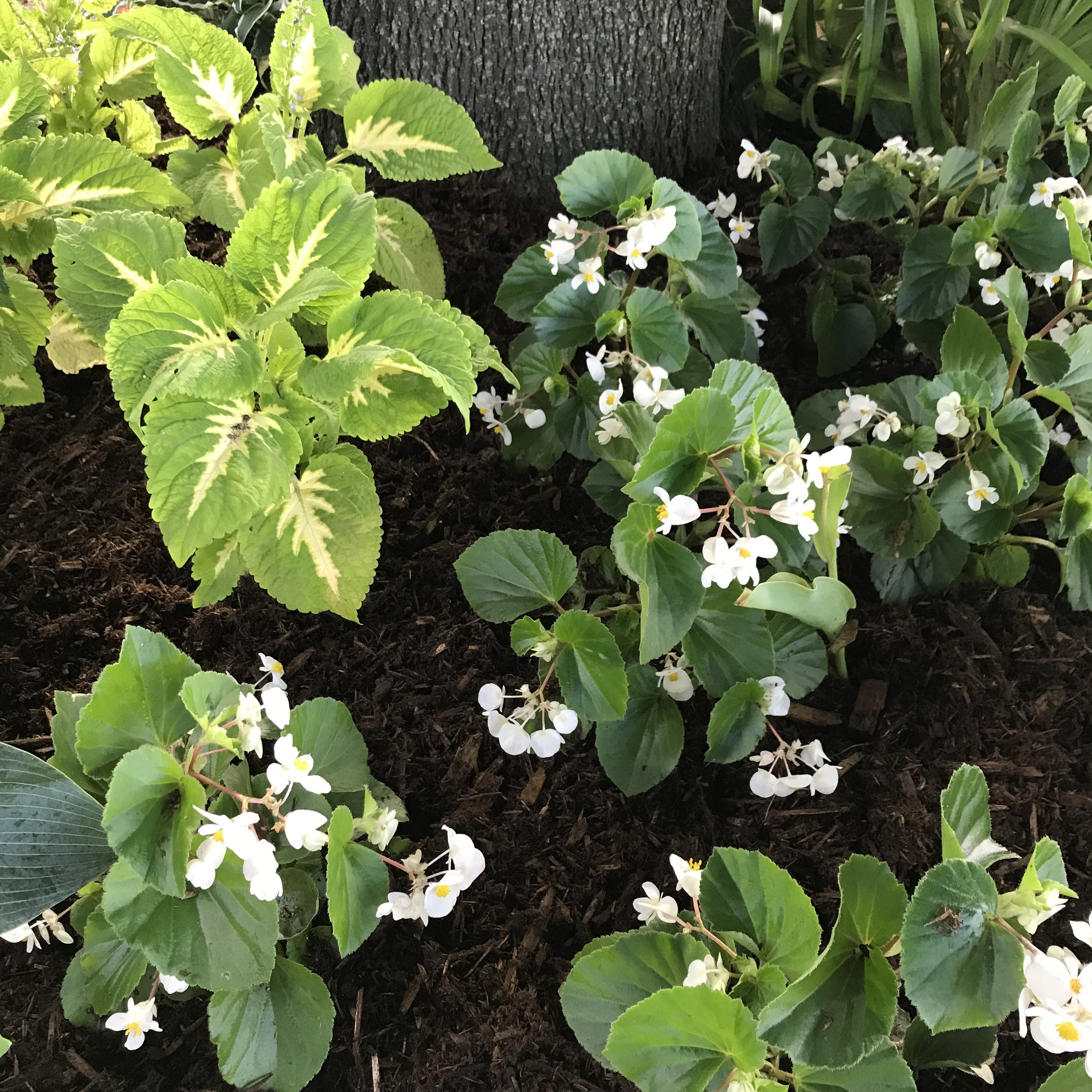
It is much easier to apply mulch after annuals are planted rather than have to dig through mulch to find soil to plant into.

And there you have it! A couple common spring gardening mistakes that I am sure we have all been guilty of at one point or another. So what’s the take home message in all of this? Well, if you feel ‘behind’ in your garden chores- don’t worry! You are most likely not as behind as you think; best case scenario, you are right on schedule! It’s far too early in the season to stress out about falling behind in gardening tasks. Enjoy the ‘spring wake-up’ at a more leisurely pace… your garden (not to mention your body) will thank you.

Wishing you a happy spring! It’s great to be back in the gardens :)
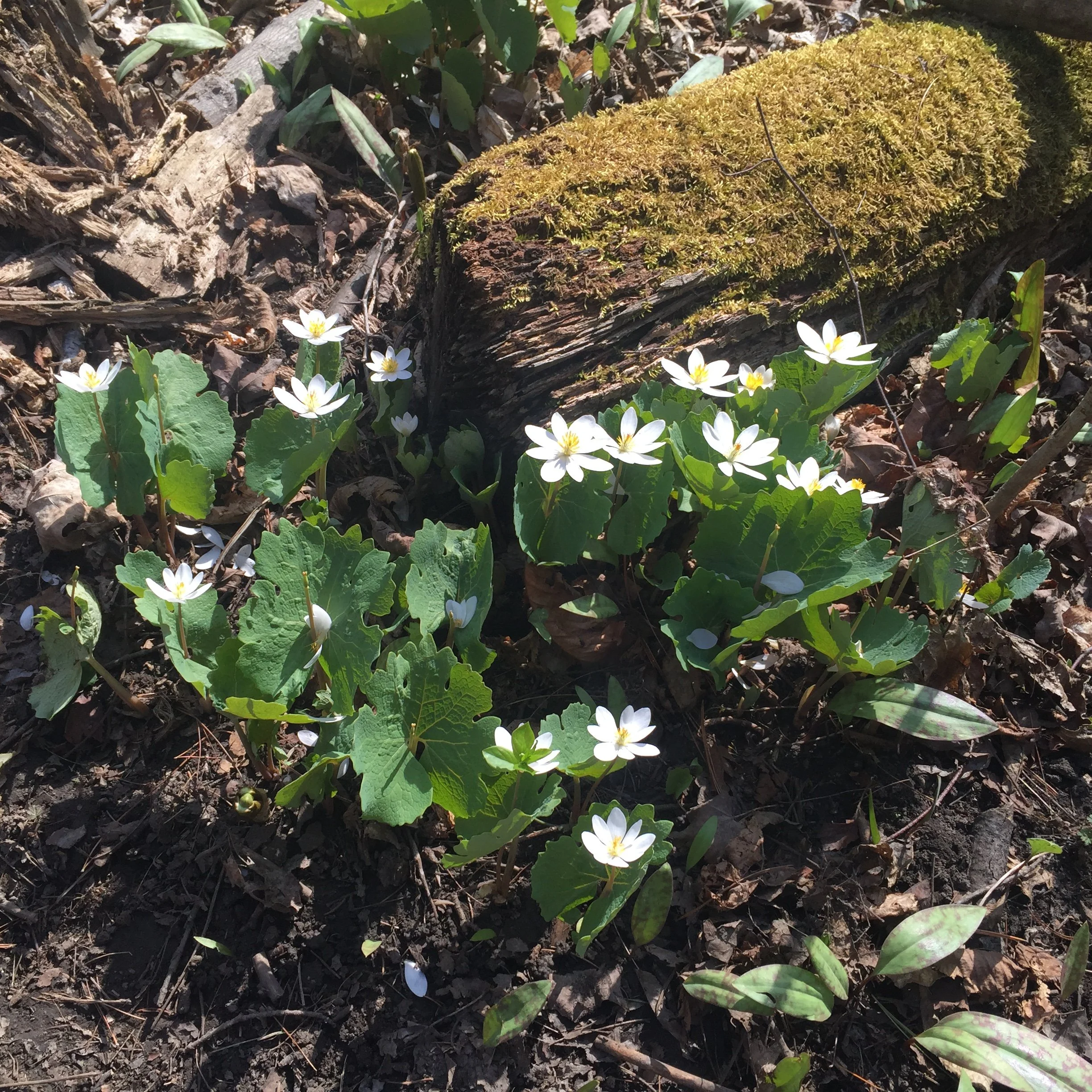
Sanguinaria canadensis (Bloodroot). It’s springtime in our woodlands!
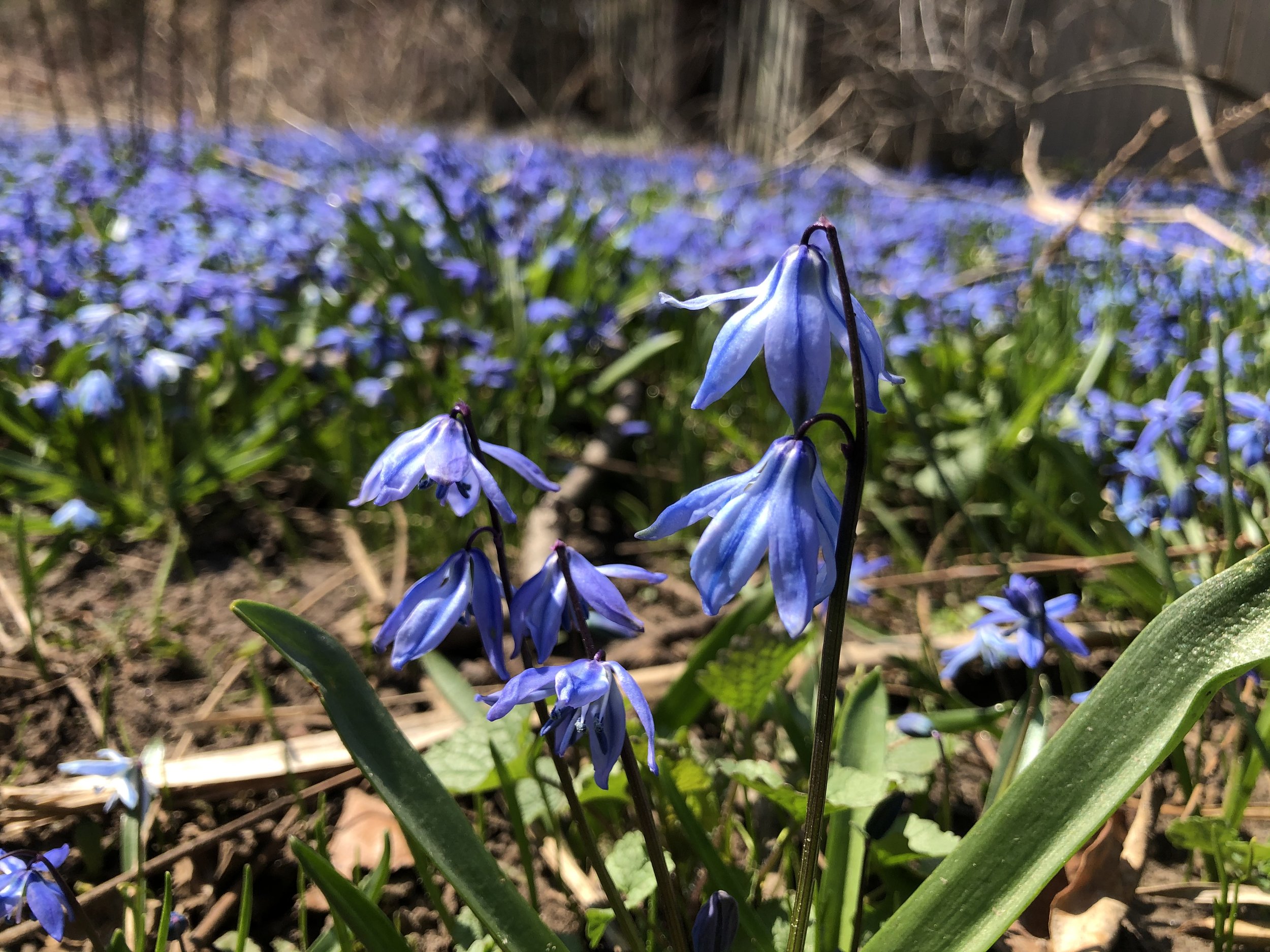
Scilla Sect. Chionodoxa (glory-of-the-snow). A sea of blue is a spring sight to behold!
Keeping Things in Check

(Originally posted: August 28, 2019)

We are in the dog days of summer and while it may seem like our gardening ‘to do’ list is virtually complete, there are certainly tasks to be done!

At this point in the year we have a lot of the growing season behind us- which means our plants have had many months to increase in size and fill-in. I know it sounds crazy, but this can be a problem when it comes to some plants and now is a great time to address excessive growth and keep things in check.

Take groundcovers for example…

Groundcovers are great. They are perfect filler plants in the garden, great for edging a perennial boarder, or growing plant material in an otherwise troublesome spot. By their nature they are supposed to spread- this is why we use them! But every now and then, they need a gentle reminder that they are not the ‘be-all-end-all’ in the garden. It’s kind of a “I love you but…” conversation only it doesn’t need to end in tears.

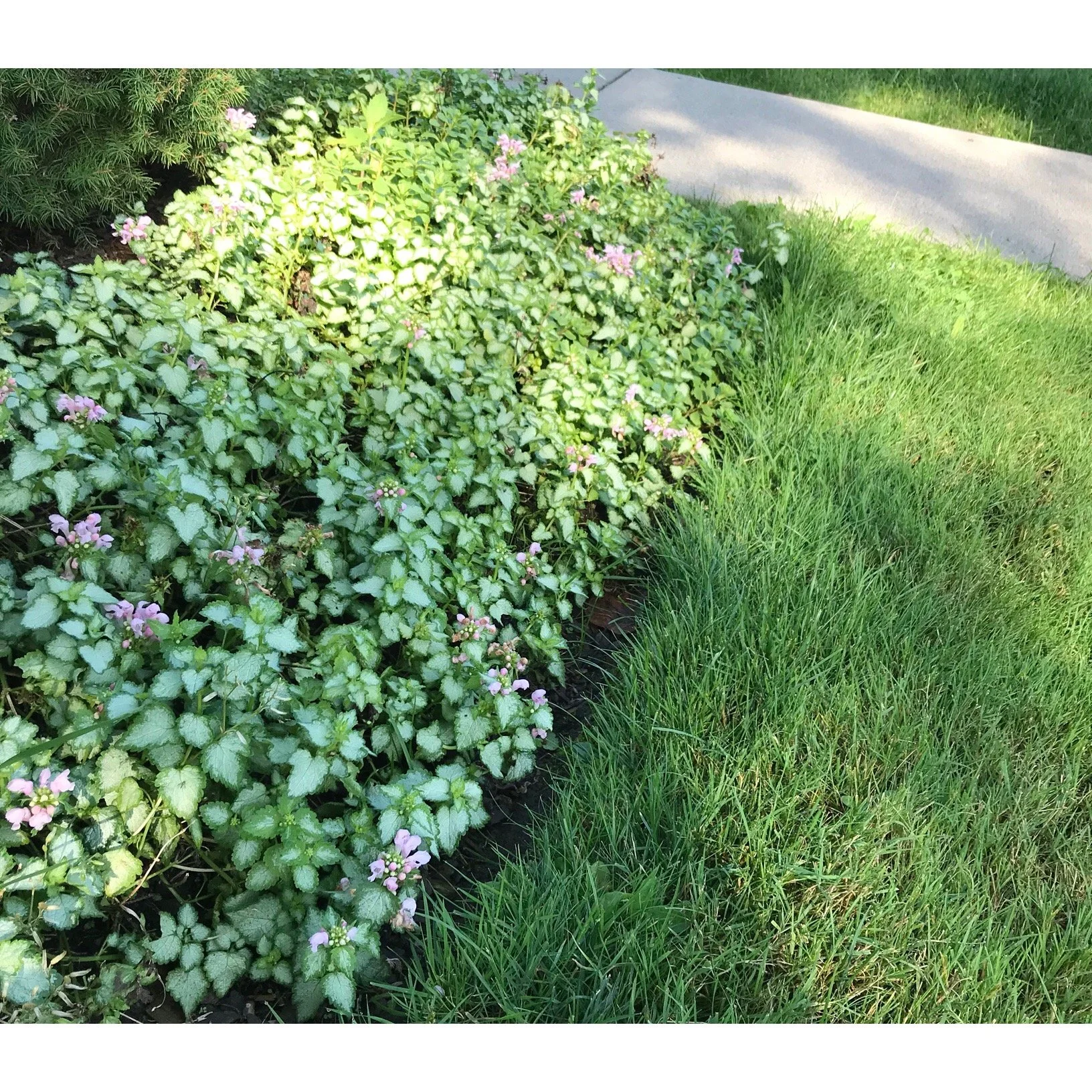
Take this Lamium for example…

In this case, the conversation would go something like this…

”I love you because you are very pretty along the edge of my garden but… c’mon, do you really need to try to make a run for it out of the garden bed and into my lawn?”

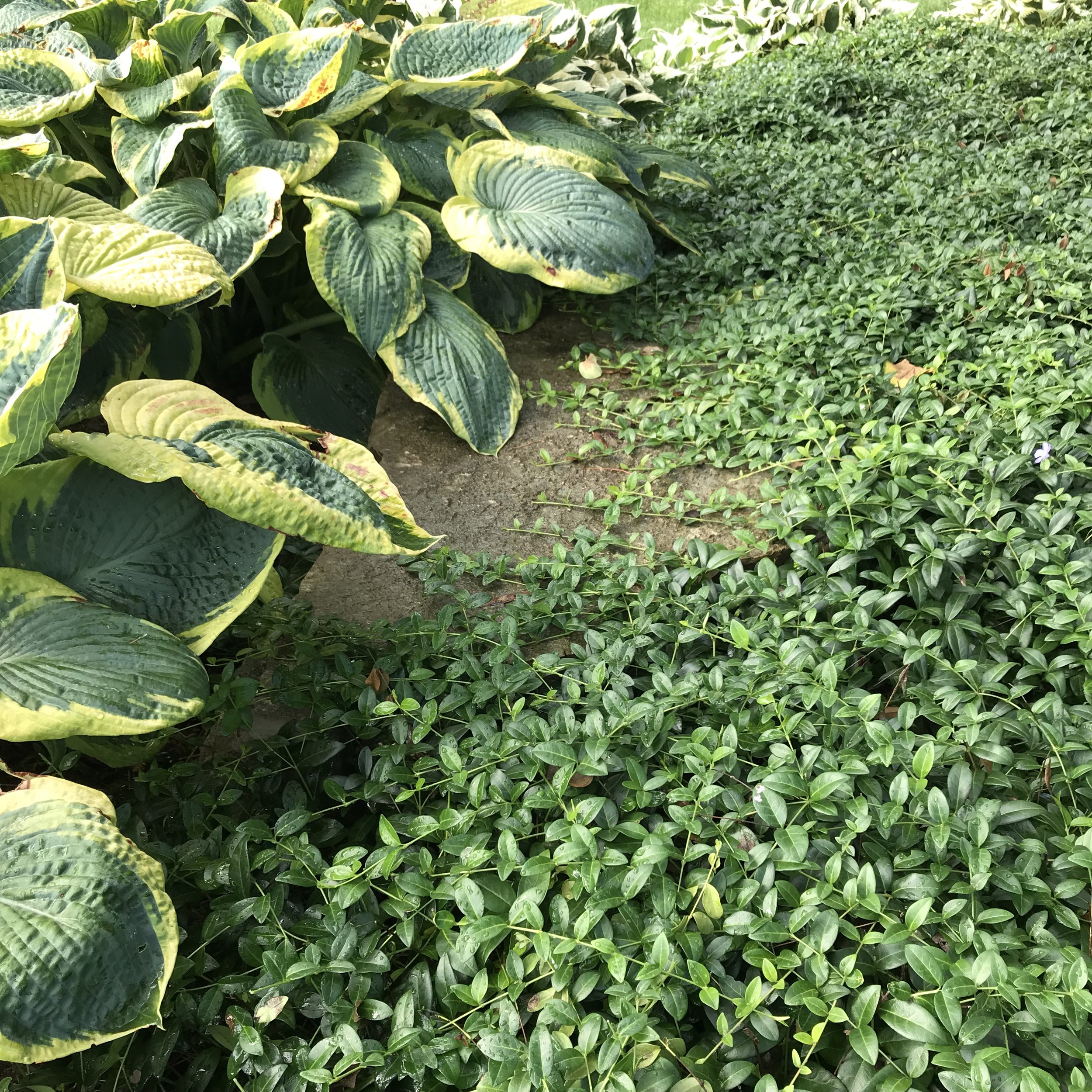
Or how about this Vinca (look carefully for it)

I love you because you provide such a rich green evergreen carpet for me, but… do you really need to try and overtake my other babies?

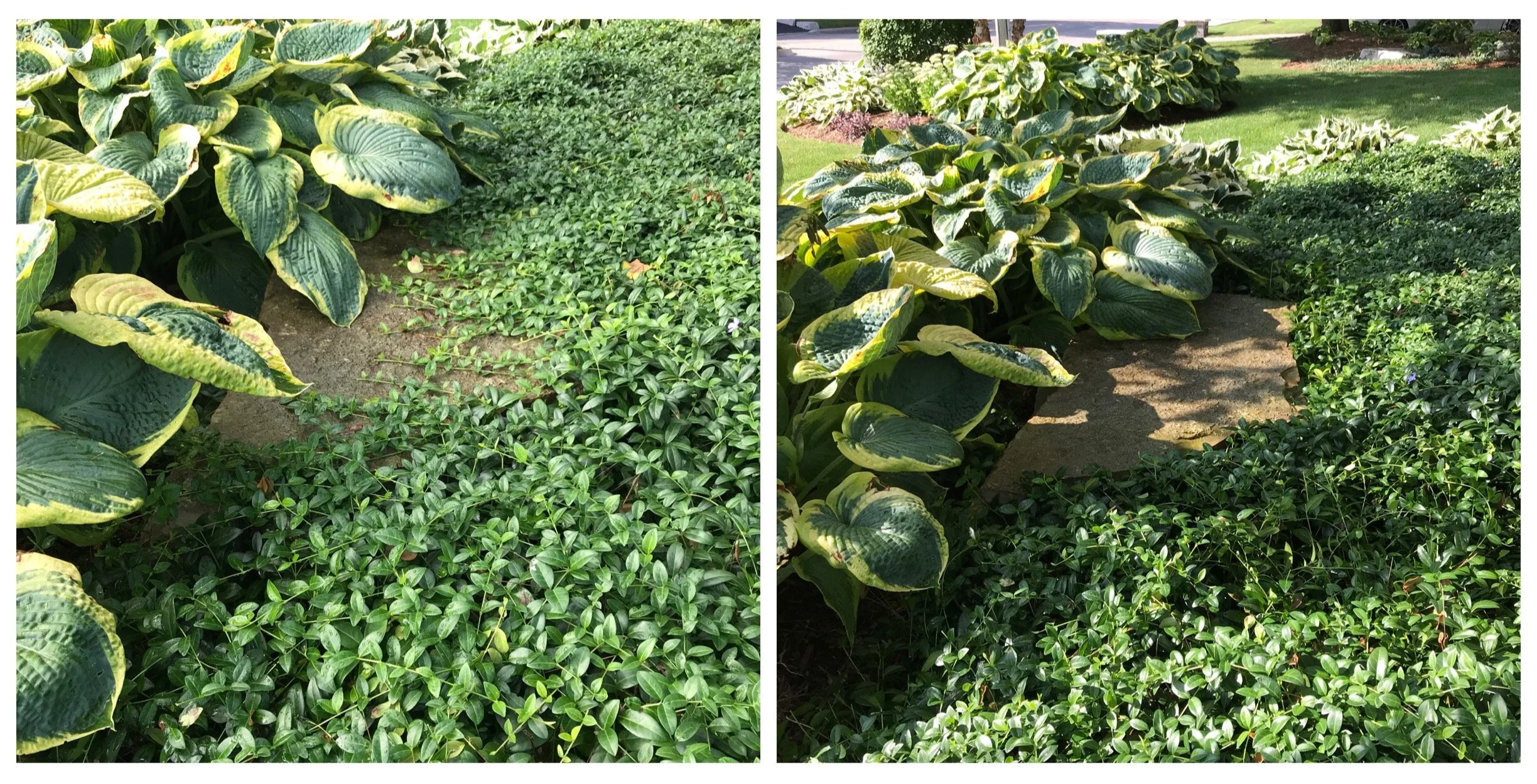
And to continue the conversation with Vinca

”I love you but… I also love the look of my hardscape. I know this rock doesn’t change with the seasons, provided any sort of greenery, or flower, but I spent a lot of money on it, I think it is pretty in its own way, and would really like to see it. Besides, it really helps to set off your beautiful green leaves and oh so pretty flowers” (In this instance, flattery helps soften the blow.)

As with most relationships, you cannot expect your partner to change… these perennials will always spread so we must work with them to keep the relationship running smoothly. Time for a bit of maintenance!

The Garden Edge

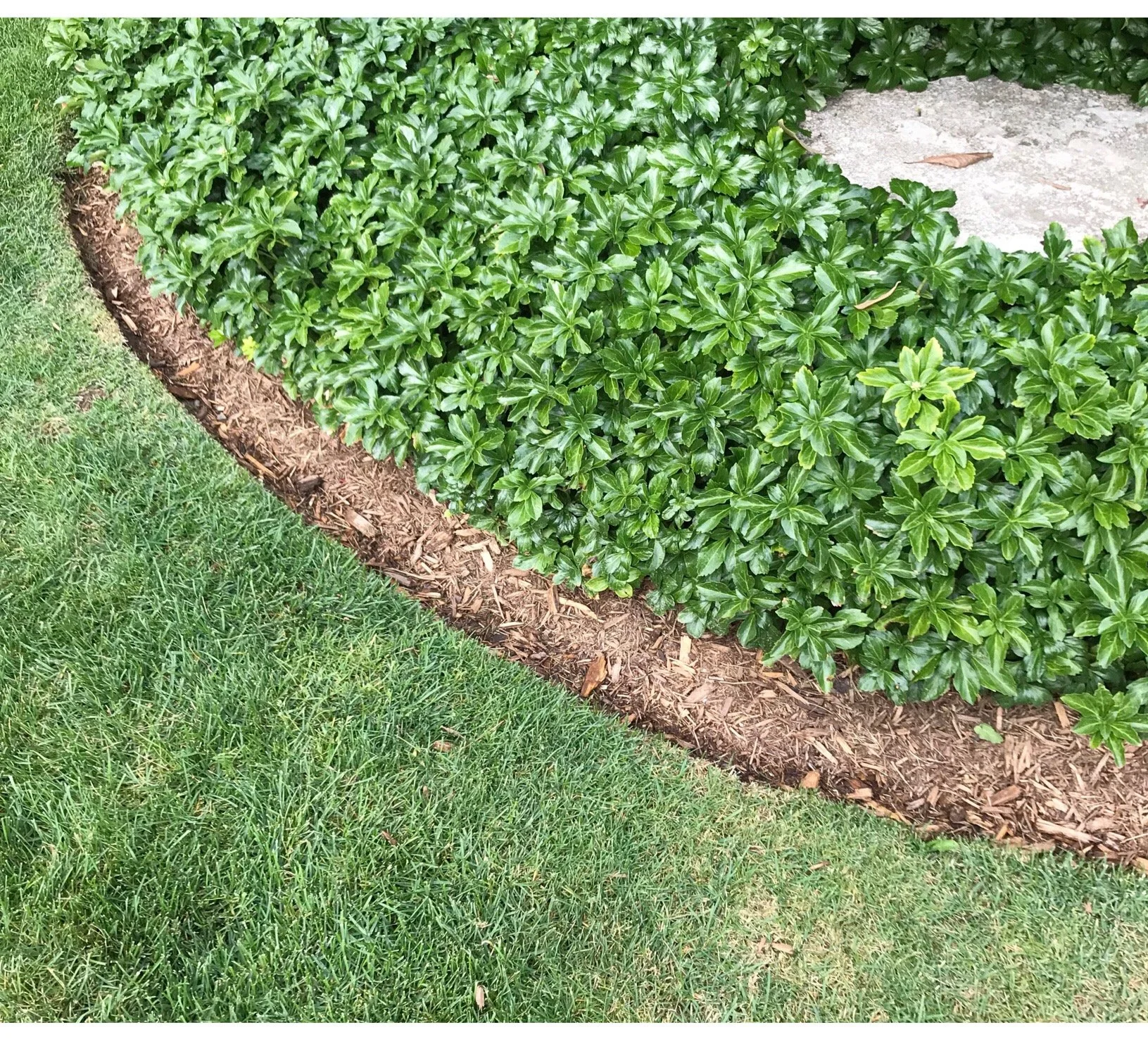
Let’s start with the ‘grass is always greener on the other side [of the garden edge]” type of groundcover. First of all, I should start by saying that if your groundcover does in fact reach your lawn, it becomes a nightmare to remove. It is so much easier to control it while it is in the garden bed. With that said, I always like to make sure there is a very distinct boundary between the leading edge of the groundcover and the edge of the bed- about 15 cm/6” or so. I find this strip of mulched area in front of the groundcover ensures the lines of the garden remain clear, even from a distance. Having this space also makes line-trimming of the lawn easier- no perennials to accidentally get in the way.

Freeing the Plants

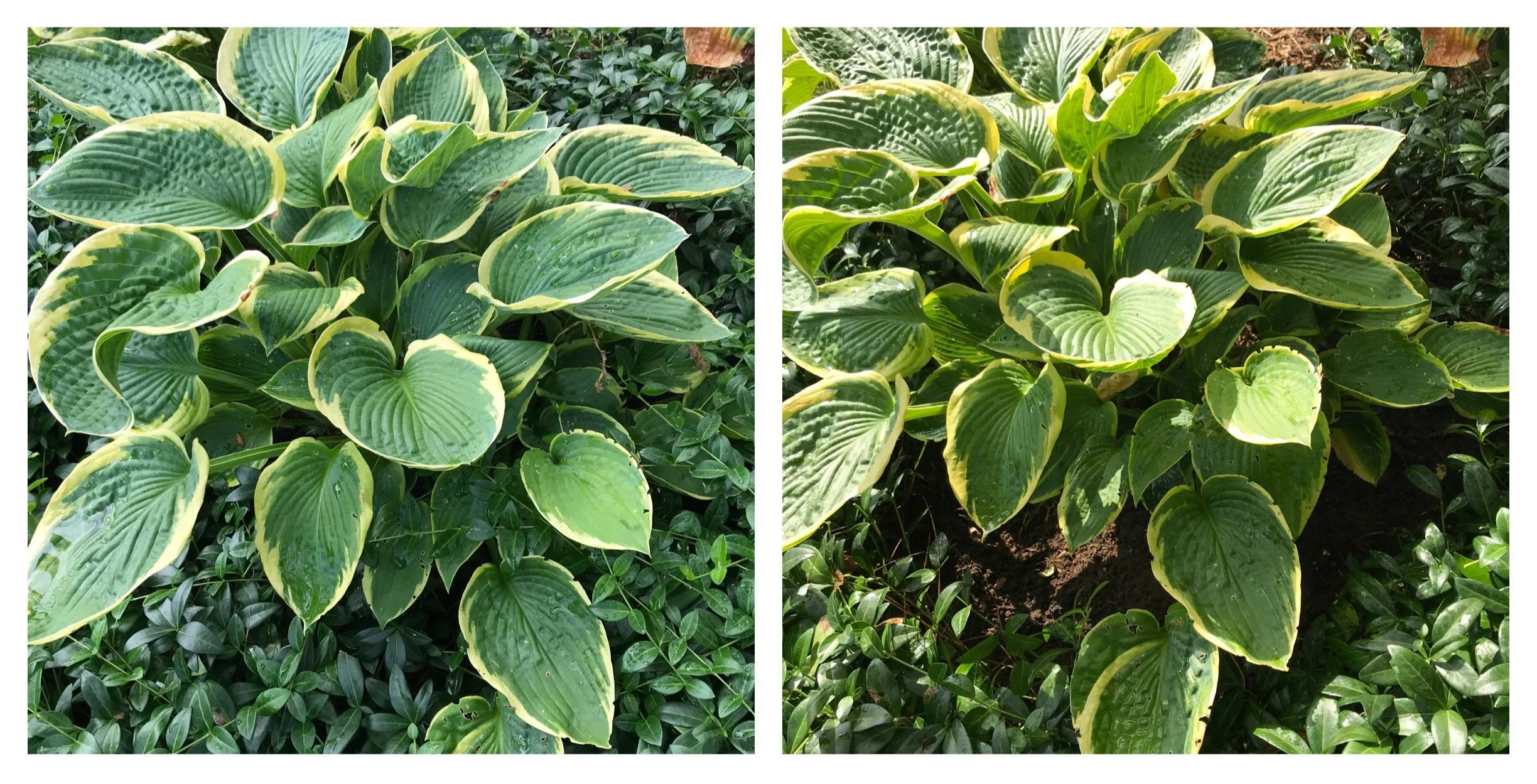
Moving on to the groundcover that likes to swallow up every other plant in it’s path.

Whether you like a continuous green look to your garden bed, or you like your plants to look distinct from one another, it is important to not let your groundcovers grow over top of your other plants. Losing your other plants to an aggressive groundcover is a problem that ‘creeps’ up on you before you realize it! For this reason, occasional trimming and even pulling out groundcover from around the base of your other garden plants is generally good practice to keep your plants from being swallowed up and lost forever!

Keeping the Hardscape

Last but not least: the groudcover that picks a fight with your hardscape (which is the ‘hard’ components of your landscape such as wooden structures, patios, walkways, retaining walls, and rockery). To ensure these hard features remain ‘features’, some routine clipping is in order. You can clip a hard line if that is your preference, or you can scale back the plants and leave some to soften the edges of the hardscape. How you tackle this problem depends on your style and the look you are trying to achieve in your garden!. In the case of the Vinca overgrowing the rock, I tend to clip a hard line because new growth will soften the edges rather quickly (especially earlier in the summer when things are very actively growing).

One Final (and very important) Note

For all the tasks described above, physically removing groundcovers is often necessary. It is important that this step is done right otherwise the problem can become much worse!

When pulling groundcovers, it is VERY important to know how they spread so that they can be pulled-up or dug out accordingly. Some plants, will grow above the soil and send down roots wherever their stems make contact with the ground such as Vinca (periwinkle), Hedera helix (English ivy) and Lamium (deadnettle) . Others will will spread below the soil, and send up shoots from their ‘root system’ such as Pachysandra (Japanese spurge) and Convallaria majalis (lily-of-the-valley). While this is a highly generalized description of groundcover growth (this topic certainly warrants a dedicated post) I think it gives you the basic idea- groundcovers are really really good at sending out roots and shoots from various points along their stems/roots.

What does this mean for effective groundcover removal? Leave no piece behind! Roots and shoots must be completely removed for a groundcover to be removed from an area of your garden (in some instances, you may need to dig down close to 15 centimetres to remove all the roots!) Just know that any pieces left behind both above and below the soil are eligible to sprout into ‘new’ plants.

So… it’s time to look at your garden with a critical eye- look for those sneaky plants that are trying to take-over areas that they shouldn’t, inspect how they grow both above and below the ground and then give them a little reminder that you love them… but they need to play nice with the rest of the garden so that everyone can be happy!

Drawing the Line

(Originally posted: June 25, 2019)

Well the growing season is well underway and chances are you have not only been keeping your gardens tidy but you have also been doing the odd makeover as well. Perhaps you’ve swapped out some undesirable, struggling or dead plants with some ‘gotta-have’ ones or perhaps you have needed to create some room for said plants and you’ve decided to expand your beds.

(New gardeners be warned: lack of space is a common problem among gardeners- as a result, the proportion of one’s property devoted to garden beds generally increases steadily over time… it’s a little known not-so-scientific fact!)

Hmmm… where to fit this combination into the garden???

This time of year makes me think back a couple years when I was helping my sister with her garden. She was a little overwhelmed with the amount of work to be done as she had recently purchased a house and, as a result, inherited a garden with every aggressive spreader known to man. Let’s put it this way- I didn’t envy her! She tackled one project after another to bring some definition back to her plantings and, being a non-gardener going into the season, she emerged a month later with me wanting to hire her.

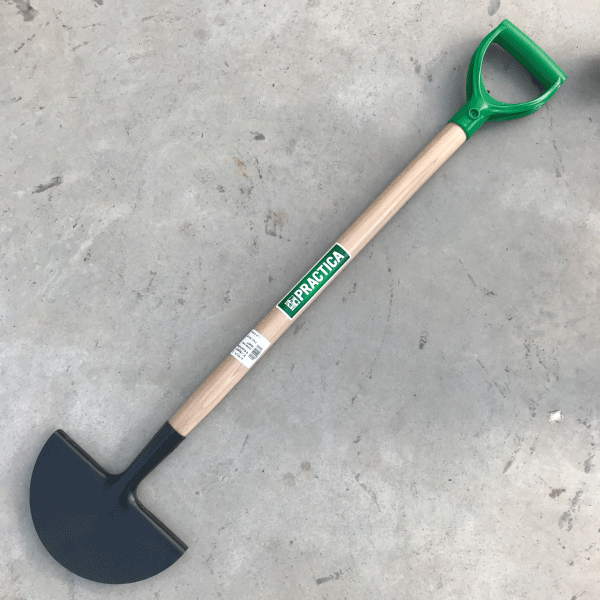
After my sister established her ‘alpha-female’ dominance over Mother Nature (which is a total farce… but I wasn’t about to burst her bubble!) she was ready to mulch her beds. WAIT!!! There is one VERY important step that comes before mulching! It is one thing to gain a certain level of ‘control’ within the garden beds but it is another to gain control of the garden beds themselves. After putting in SO much effort within the gardens, it was time to set-off all her hard work by setting her gardens apart from the rest of her yard. It was time to create a clear definition between garden and turf through the use of edging. I pulled out ‘that half-moon tool’ and set to work.

Steps for Edging a Bed

‘The half-moon tool’ otherwise known as an edger.

STEP 1: Facing your garden, place the curved edge of the edger down where you would like your garden bed to start, step on it to vertically slice into the turf, pull the handle toward your body to slightly lift and loosen the turf. Do not pull the edger out of the ground!

STEP 2: Bring the handle back to vertical and move the edger sideways a few inches; step down on it to slice the turf again; once again pull the handle toward your body. Repeat this for the length of your garden bed. By keeping the edger in the ground and inching along, you will get a much smoother/continuous line than if you were to remove the edger between cuts. (There are also electric edgers that you can use that can help make gorgeous lines.)

STEP 3: Pull up the grass that you cut and loosened with the edger, shake out the dirt from the roots and dispose of the grass.

STEP 4: Edge again- this time using the edger to flick the excess dirt into the bed.

STEP 5: Break apart any clumps of dirt and remove any grass that was tossed into the bed. Finish the task by smoothing out the surface of the bed. I do this by hand.

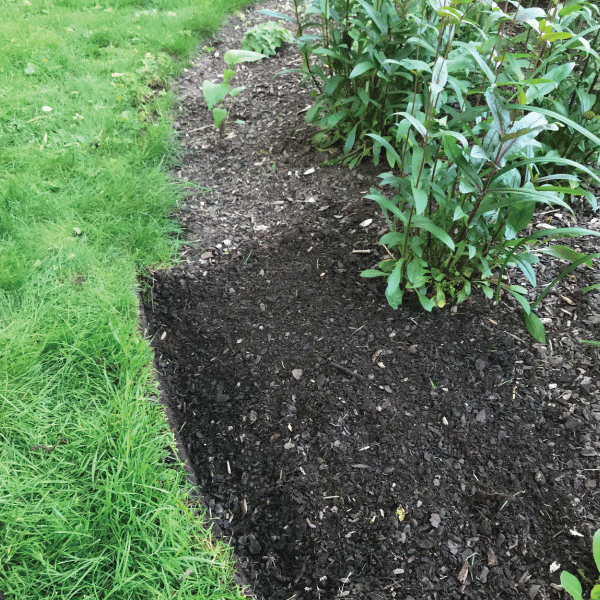
The end result should be a close to vertical edge where the grass meets the garden bed.

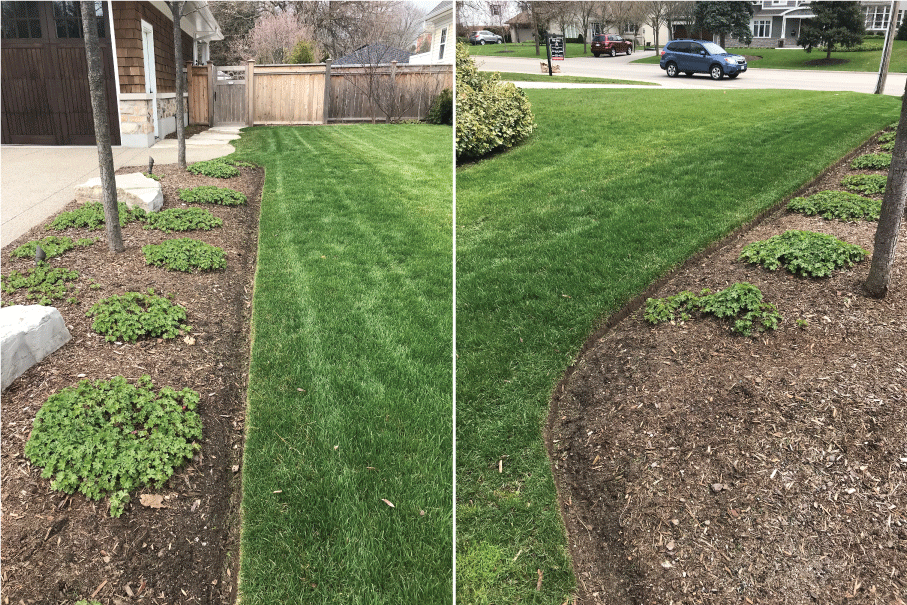
Before and after: adding an edge to a garden really helps give a garden definition. Even if the garden isn’t much to look at, the visual tidiness of a nice clean line makes a world of difference!

Some picture-perfect early season edging courtesy of Appleby Landscapes.

Looking back on that day, my sister reflects that the edger was her biggest ‘ah-ha’ moment. It was a very easy-to-use technique that could really set off her hard work and make her garden ‘pop’ from the rest of the yard. A nice clean line was the perfect finishing touch (aside from mulching… that, I will leave for my next post).

***SIDE NOTE: I have had this post written for a couple weeks now and cannot seem to get a half-decent video of the edging technique. I figured I would post it and, in the meantime work on my technological ineptness when it comes to video recording and editing. I will add to this post as soon as I create something worth viewing! My apologies to all you visual learners out there. I feel your pain. I am of your tribe. (2026 Update: Still no video. I think I’ll stick to writing.)