(Originally posted: August 28, 2019)
We are in the dog days of summer and while it may seem like our gardening ‘to do’ list is virtually complete, there are certainly tasks to be done!
At this point in the year we have a lot of the growing season behind us- which means our plants have had many months to increase in size and fill-in. I know it sounds crazy, but this can be a problem when it comes to some plants and now is a great time to address excessive growth and keep things in check.
Take groundcovers for example…
Groundcovers are great. They are perfect filler plants in the garden, great for edging a perennial boarder, or growing plant material in an otherwise troublesome spot. By their nature they are supposed to spread- this is why we use them! But every now and then, they need a gentle reminder that they are not the ‘be-all-end-all’ in the garden. It’s kind of a “I love you but…” conversation only it doesn’t need to end in tears.
Take this Lamium for example…
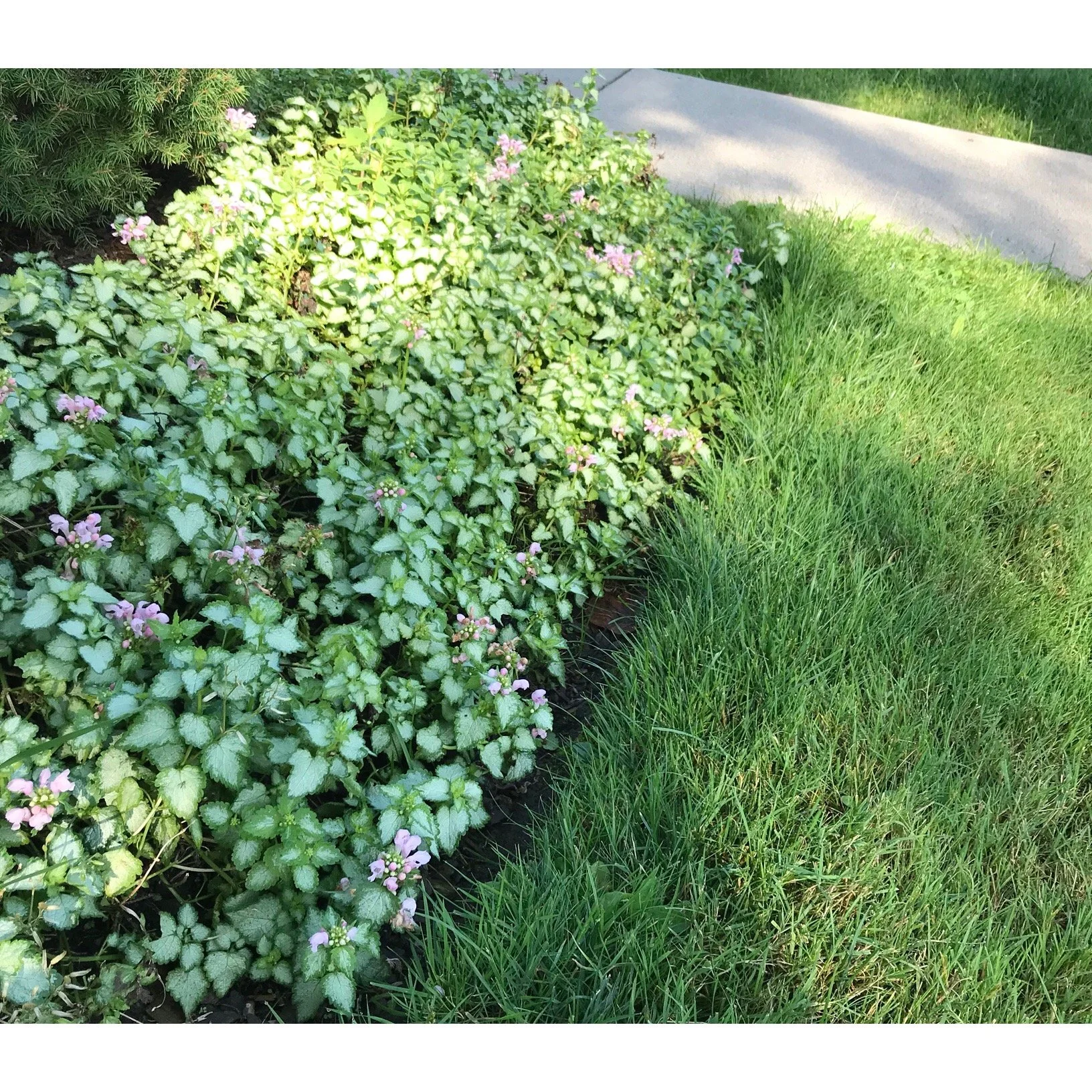
In this case, the conversation would go something like this…
”I love you because you are very pretty along the edge of my garden but… c’mon, do you really need to try to make a run for it out of the garden bed and into my lawn?”
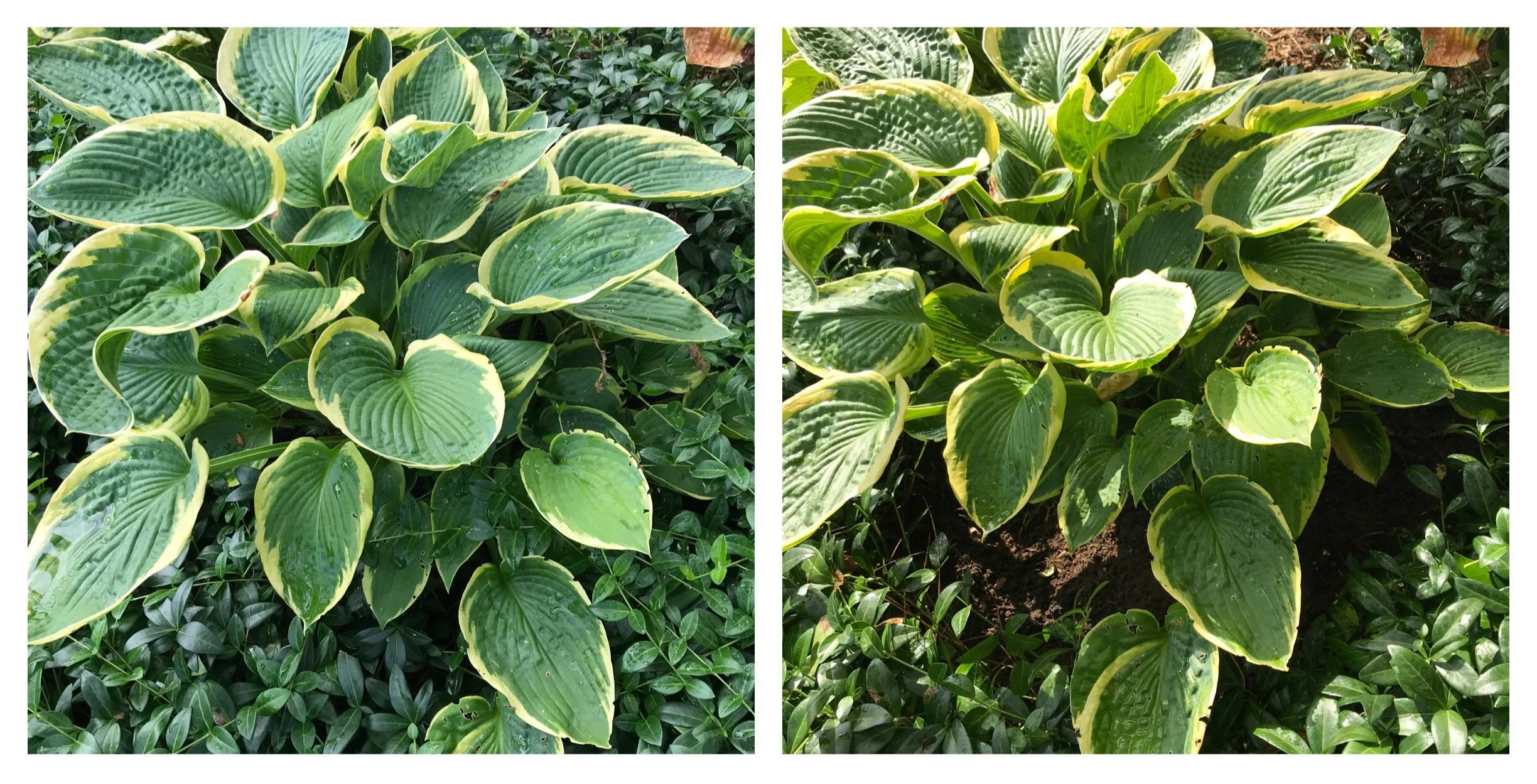
Or how about this Vinca (look carefully for it)…
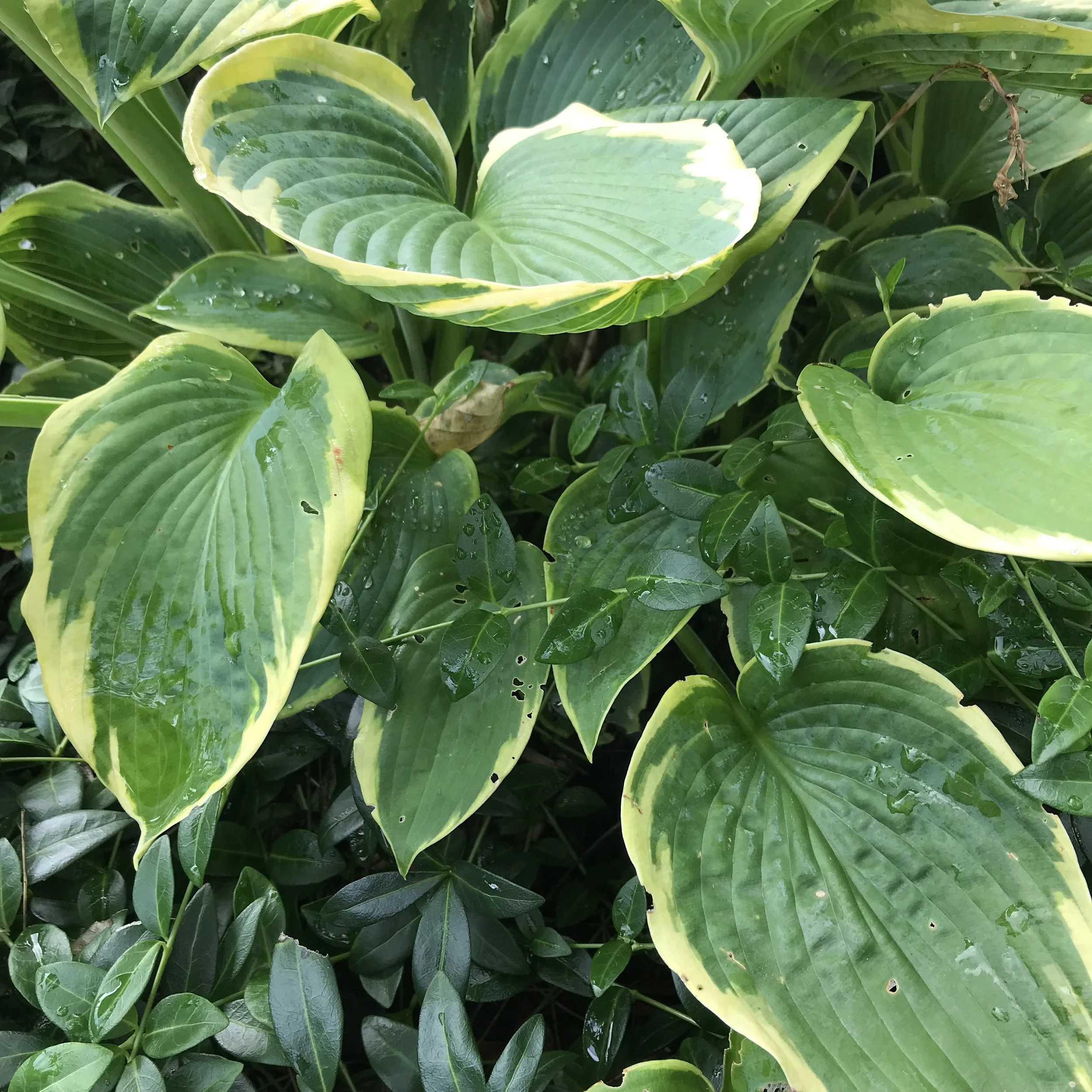
“I love you because you provide such a rich green evergreen carpet for me, but… do you really need to try and overtake my other babies?
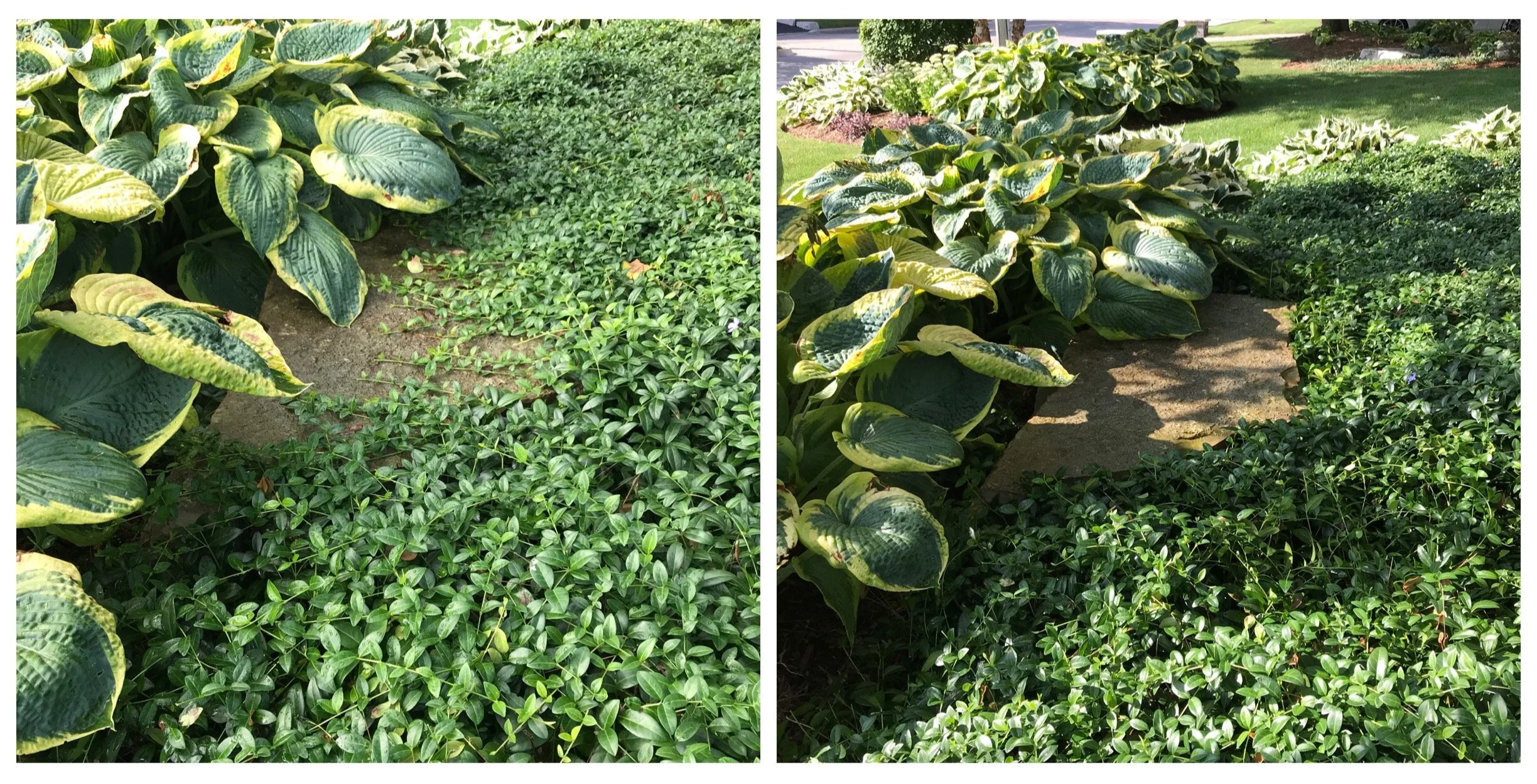
And to continue the conversation with Vinca …
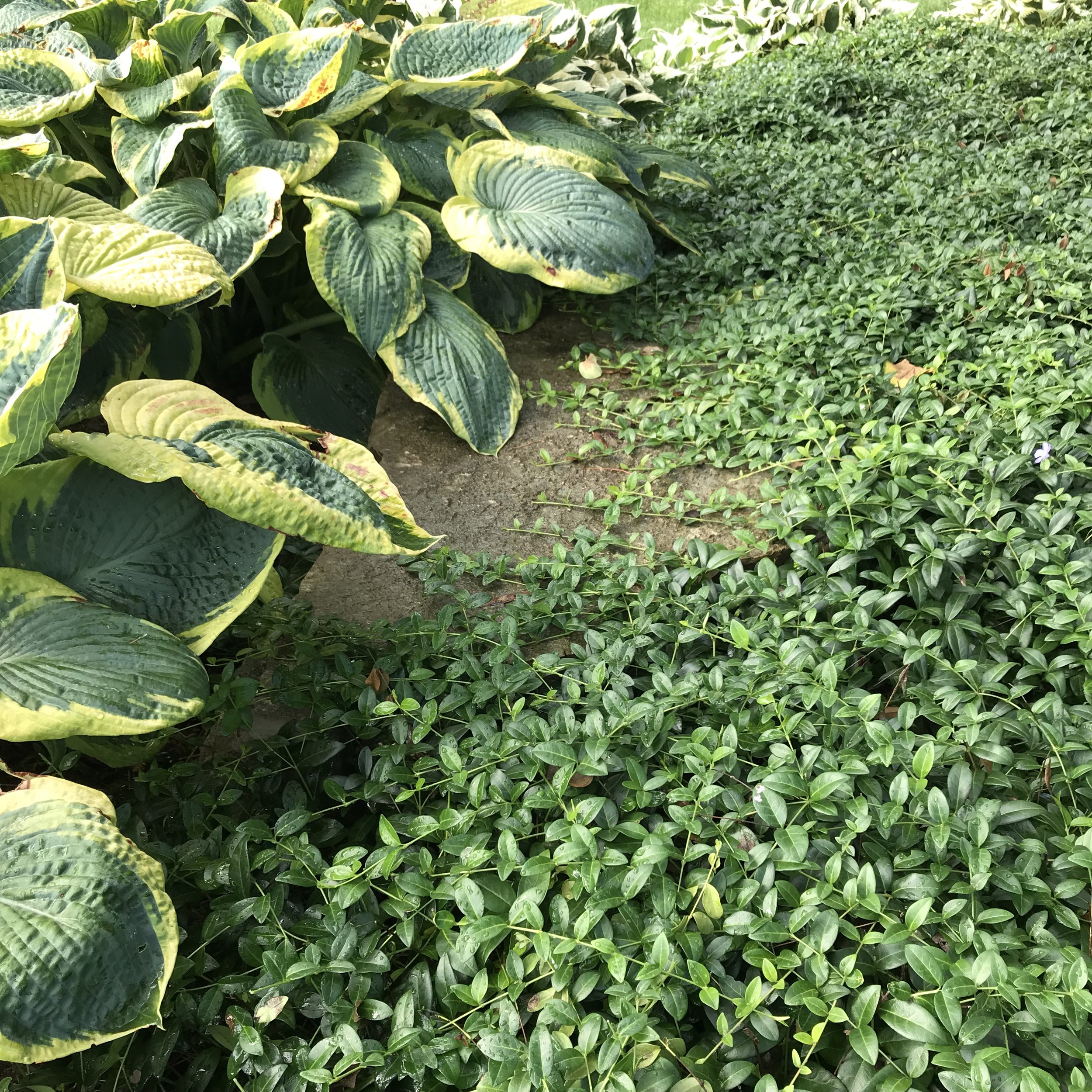
”I love you but… I also love the look of my hardscape. I know this rock doesn’t change with the seasons, provided any sort of greenery, or flower, but I spent a lot of money on it, I think it is pretty in its own way, and would really like to see it. Besides, it really helps to set off your beautiful green leaves and oh so pretty flowers” (In this instance, flattery helps soften the blow.)
As with most relationships, you cannot expect your partner to change… these perennials will always spread so we must work with them to keep the relationship running smoothly. Time for a bit of maintenance!
The Garden Edge
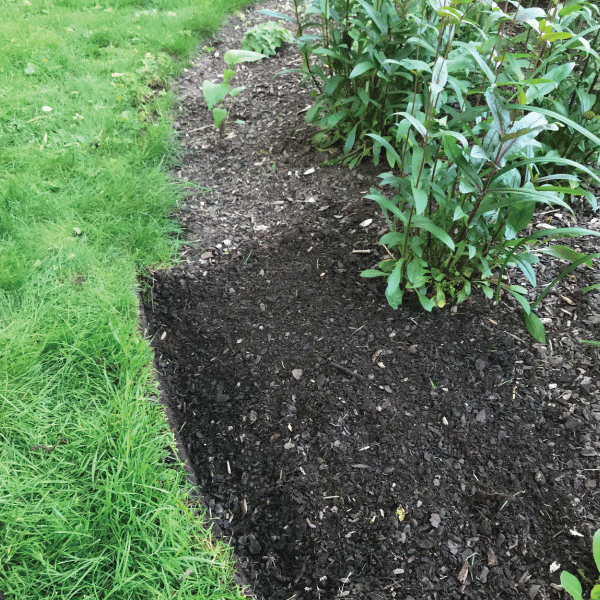
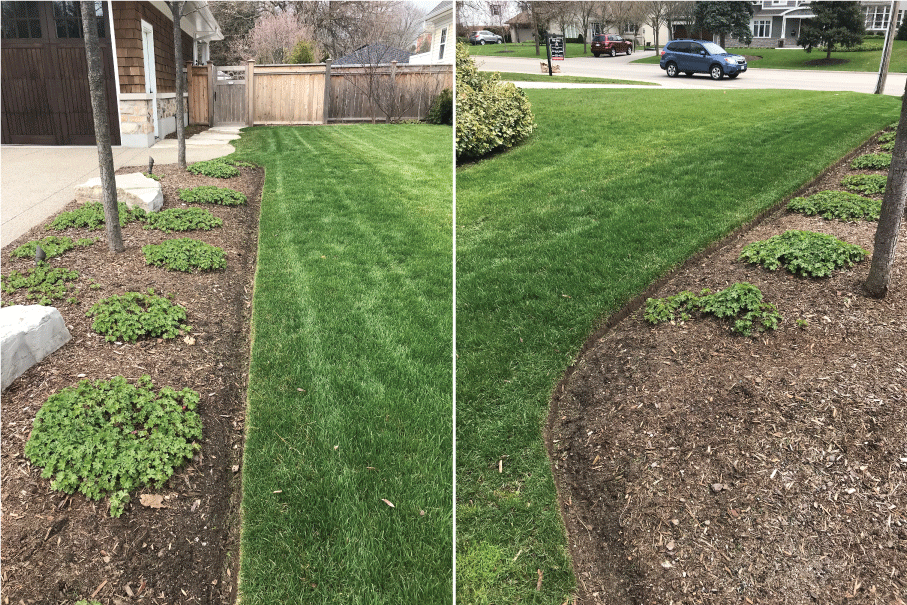
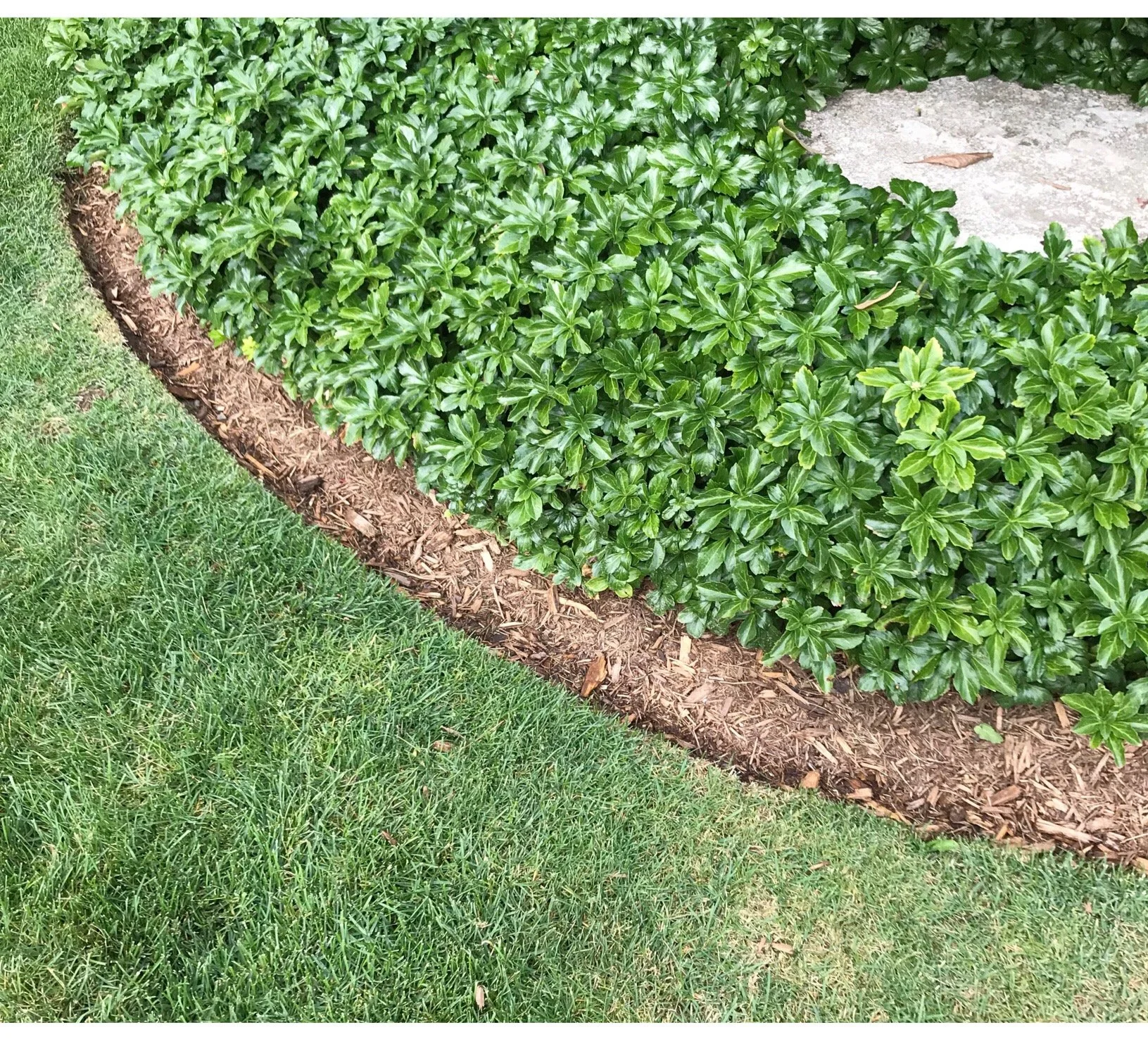
Let’s start with the ‘grass is always greener on the other side [of the garden edge]” type of groundcover. First of all, I should start by saying that if your groundcover does in fact reach your lawn, it becomes a nightmare to remove. It is so much easier to control it while it is in the garden bed. With that said, I always like to make sure there is a very distinct boundary between the leading edge of the groundcover and the edge of the bed- about 15 cm/6” or so. I find this strip of mulched area in front of the groundcover ensures the lines of the garden remain clear, even from a distance. Having this space also makes line-trimming of the lawn easier- no perennials to accidentally get in the way.

Freeing the Plants
Moving on to the groundcover that likes to swallow up every other plant in it’s path.
Whether you like a continuous green look to your garden bed, or you like your plants to look distinct from one another, it is important to not let your groundcovers grow over top of your other plants. Losing your other plants to an aggressive groundcover is a problem that ‘creeps’ up on you before you realize it! For this reason, occasional trimming and even pulling out groundcover from around the base of your other garden plants is generally good practice to keep your plants from being swallowed up and lost forever!
Keeping the Hardscape
Last but not least: the groudcover that picks a fight with your hardscape (which is the ‘hard’ components of your landscape such as wooden structures, patios, walkways, retaining walls, and rockery). To ensure these hard features remain ‘features’, some routine clipping is in order. You can clip a hard line if that is your preference, or you can scale back the plants and leave some to soften the edges of the hardscape. How you tackle this problem depends on your style and the look you are trying to achieve in your garden!. In the case of the Vinca overgrowing the rock, I tend to clip a hard line because new growth will soften the edges rather quickly (especially earlier in the summer when things are very actively growing).
One Final (and very important) Note
For all the tasks described above, physically removing groundcovers is often necessary. It is important that this step is done right otherwise the problem can become much worse!
When pulling groundcovers, it is VERY important to know how they spread so that they can be pulled-up or dug out accordingly. Some plants, will grow above the soil and send down roots wherever their stems make contact with the ground such as Vinca (periwinkle), Hedera helix (English ivy) and Lamium (deadnettle) . Others will will spread below the soil, and send up shoots from their ‘root system’ such as Pachysandra (Japanese spurge) and Convallaria majalis (lily-of-the-valley). While this is a highly generalized description of groundcover growth (this topic certainly warrants a dedicated post) I think it gives you the basic idea- groundcovers are really really good at sending out roots and shoots from various points along their stems/roots.
What does this mean for effective groundcover removal? Leave no piece behind! Roots and shoots must be completely removed for a groundcover to be removed from an area of your garden (in some instances, you may need to dig down close to 15 centimetres to remove all the roots!) Just know that any pieces left behind both above and below the soil are eligible to sprout into ‘new’ plants.
So… it’s time to look at your garden with a critical eye- look for those sneaky plants that are trying to take-over areas that they shouldn’t, inspect how they grow both above and below the ground and then give them a little reminder that you love them… but they need to play nice with the rest of the garden so that everyone can be happy!