Tips and tricks

Keeping Things in Check

(Originally posted: August 28, 2019)

We are in the dog days of summer and while it may seem like our gardening ‘to do’ list is virtually complete, there are certainly tasks to be done!

At this point in the year we have a lot of the growing season behind us- which means our plants have had many months to increase in size and fill-in. I know it sounds crazy, but this can be a problem when it comes to some plants and now is a great time to address excessive growth and keep things in check.

Take groundcovers for example…

Groundcovers are great. They are perfect filler plants in the garden, great for edging a perennial boarder, or growing plant material in an otherwise troublesome spot. By their nature they are supposed to spread- this is why we use them! But every now and then, they need a gentle reminder that they are not the ‘be-all-end-all’ in the garden. It’s kind of a “I love you but…” conversation only it doesn’t need to end in tears.

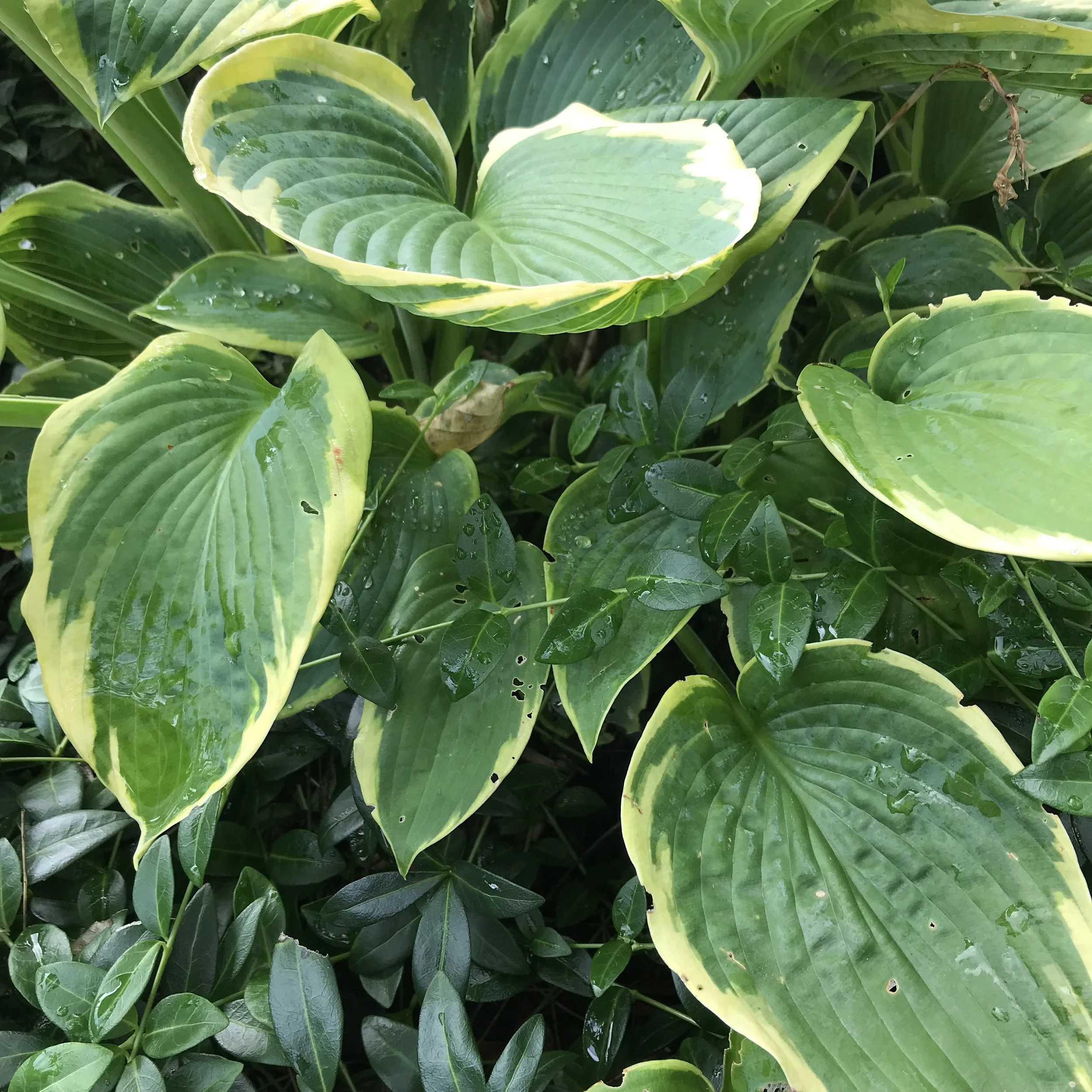
Take this Lamium for example…
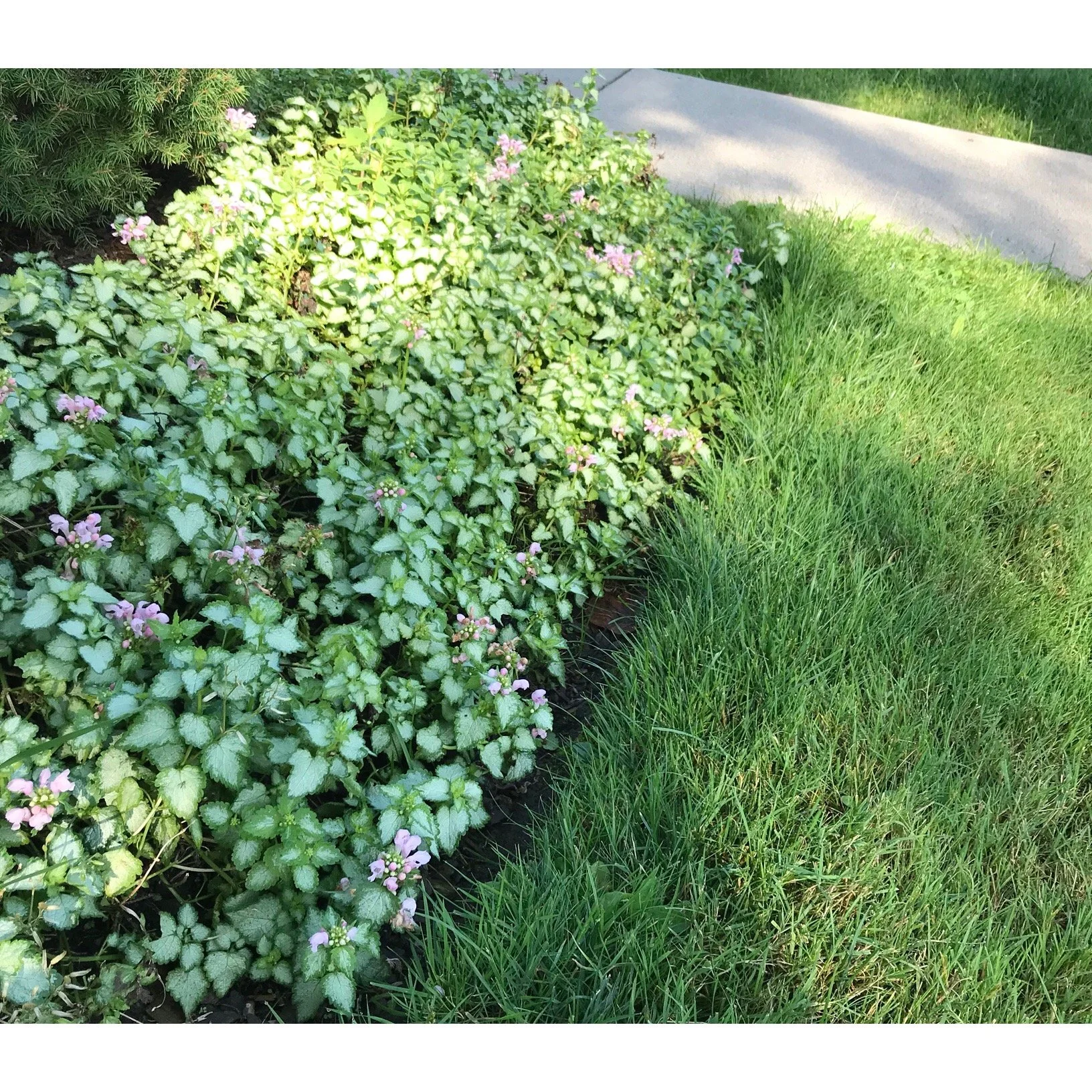
In this case, the conversation would go something like this…

”I love you because you are very pretty along the edge of my garden but… c’mon, do you really need to try to make a run for it out of the garden bed and into my lawn?”

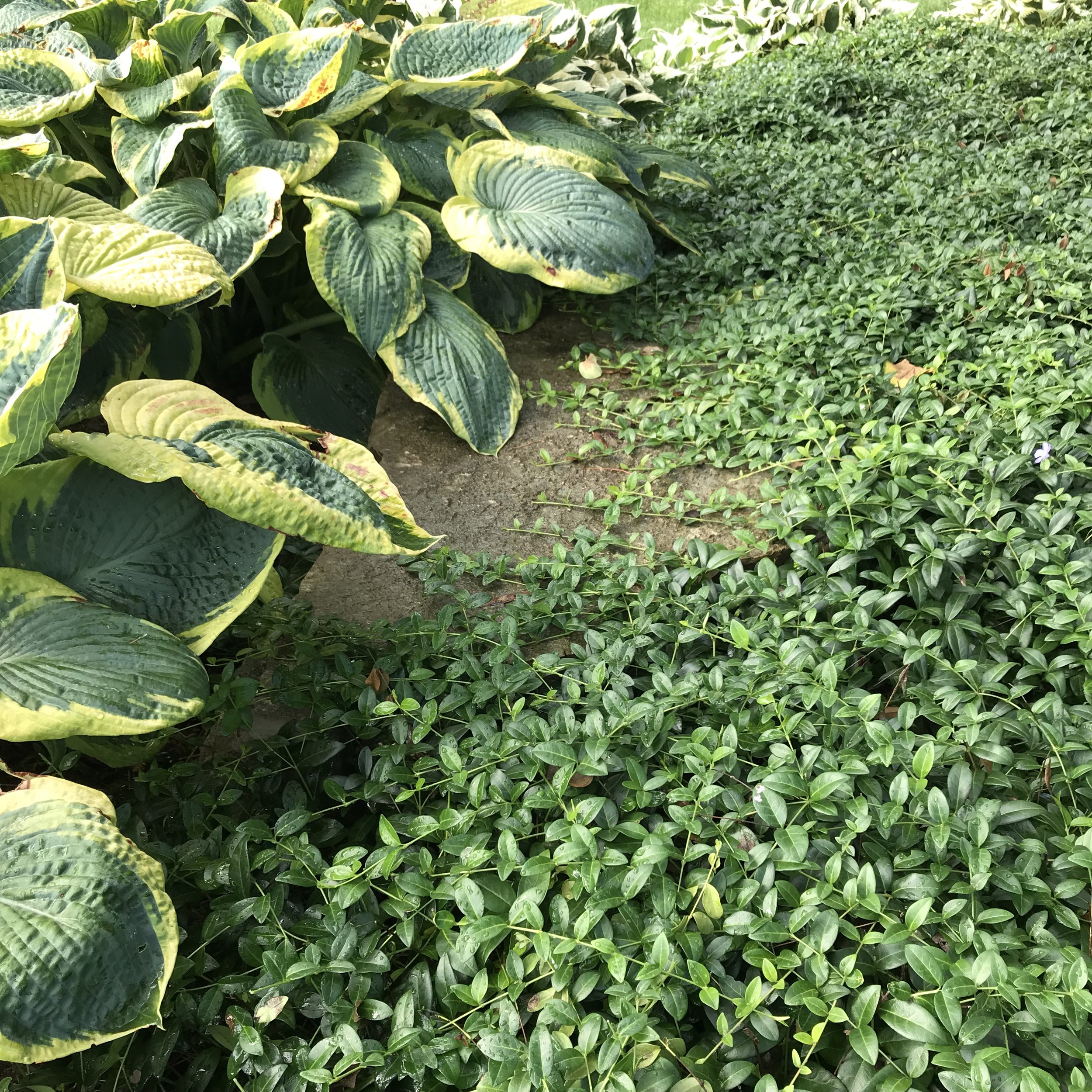
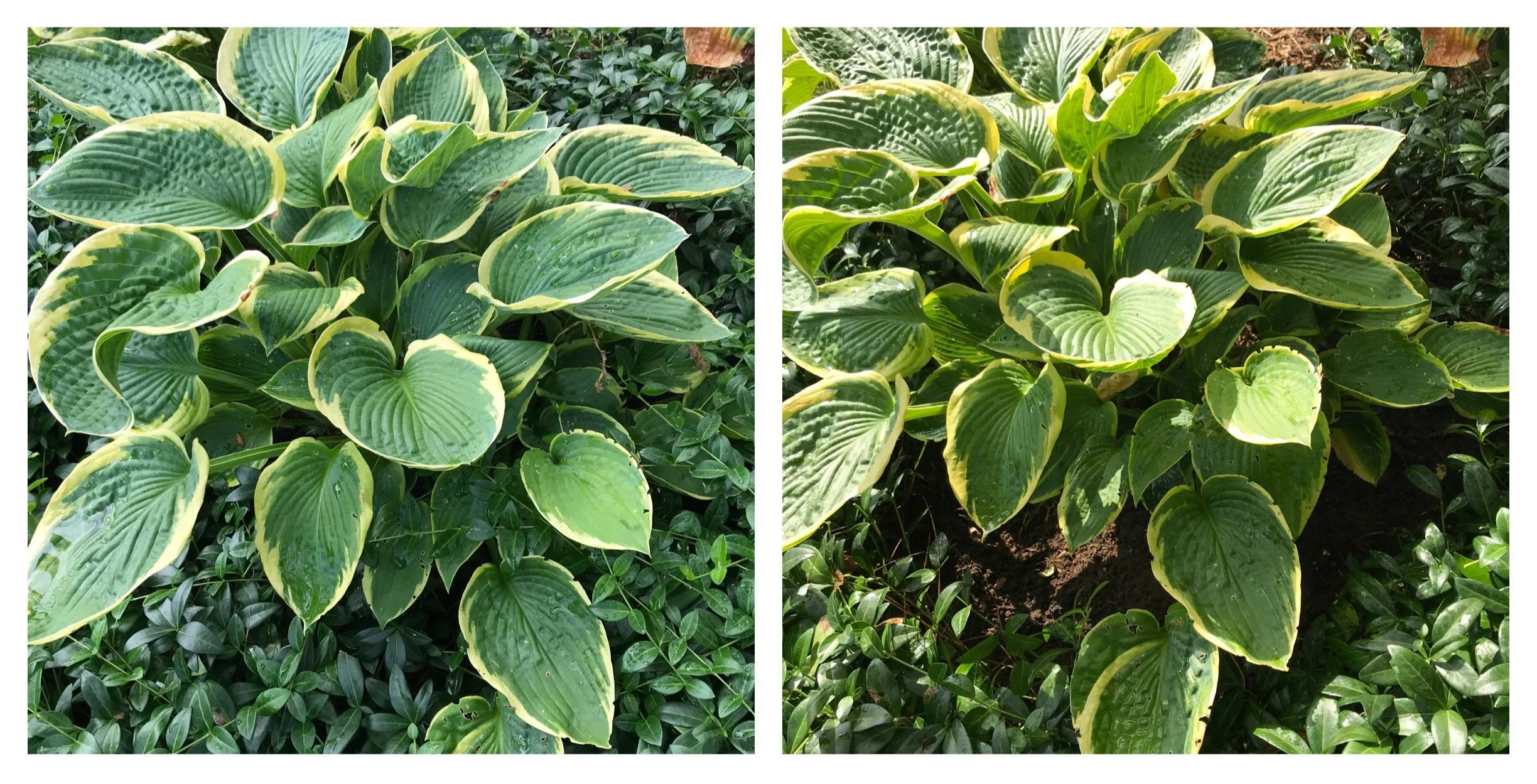
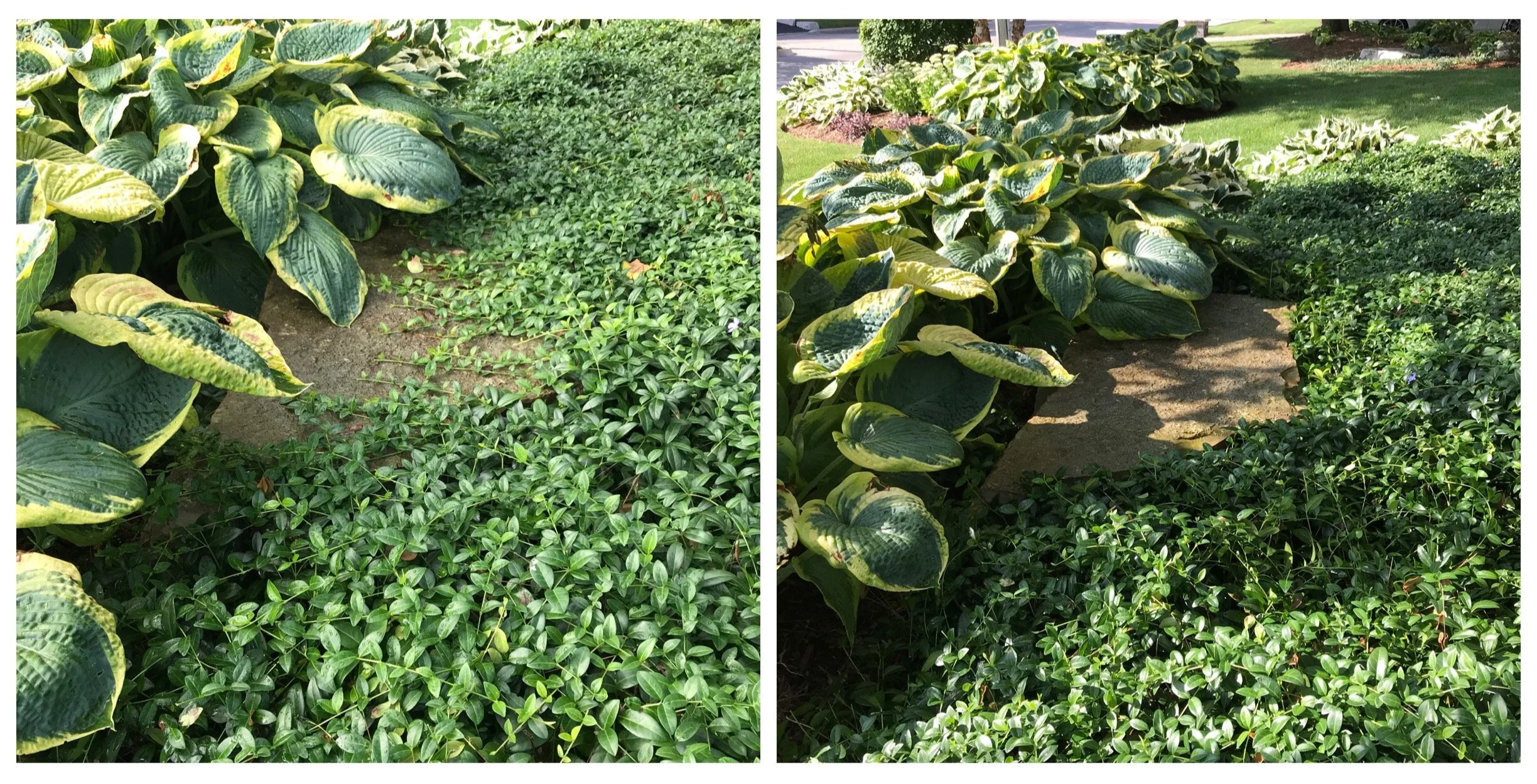
Or how about this Vinca (look carefully for it)

I love you because you provide such a rich green evergreen carpet for me, but… do you really need to try and overtake my other babies?

And to continue the conversation with Vinca

”I love you but… I also love the look of my hardscape. I know this rock doesn’t change with the seasons, provided any sort of greenery, or flower, but I spent a lot of money on it, I think it is pretty in its own way, and would really like to see it. Besides, it really helps to set off your beautiful green leaves and oh so pretty flowers” (In this instance, flattery helps soften the blow.)

As with most relationships, you cannot expect your partner to change… these perennials will always spread so we must work with them to keep the relationship running smoothly. Time for a bit of maintenance!

The Garden Edge

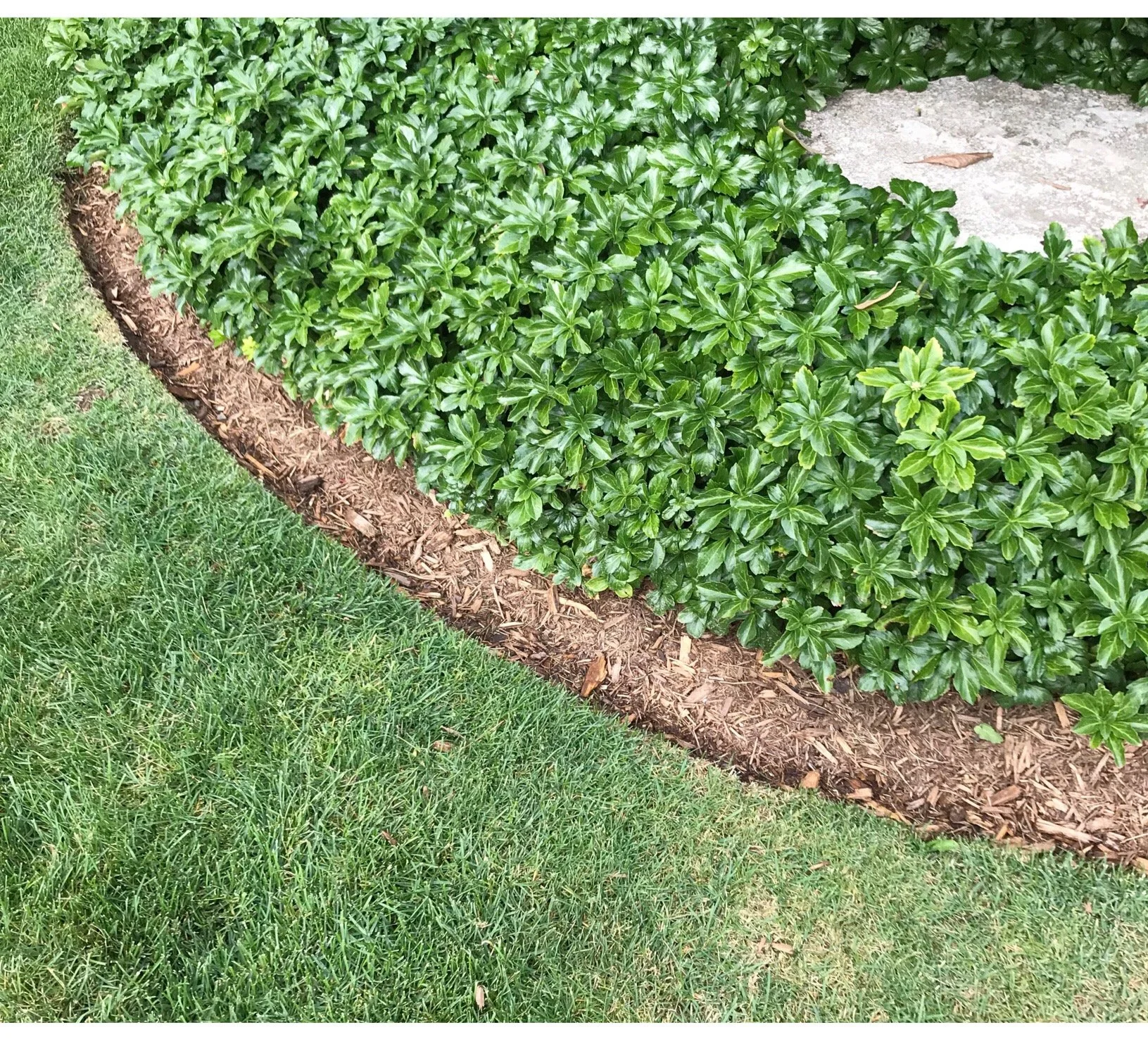
Let’s start with the ‘grass is always greener on the other side [of the garden edge]” type of groundcover. First of all, I should start by saying that if your groundcover does in fact reach your lawn, it becomes a nightmare to remove. It is so much easier to control it while it is in the garden bed. With that said, I always like to make sure there is a very distinct boundary between the leading edge of the groundcover and the edge of the bed- about 15 cm/6” or so. I find this strip of mulched area in front of the groundcover ensures the lines of the garden remain clear, even from a distance. Having this space also makes line-trimming of the lawn easier- no perennials to accidentally get in the way.
Freeing the Plants

Moving on to the groundcover that likes to swallow up every other plant in it’s path.

Whether you like a continuous green look to your garden bed, or you like your plants to look distinct from one another, it is important to not let your groundcovers grow over top of your other plants. Losing your other plants to an aggressive groundcover is a problem that ‘creeps’ up on you before you realize it! For this reason, occasional trimming and even pulling out groundcover from around the base of your other garden plants is generally good practice to keep your plants from being swallowed up and lost forever!
Keeping the Hardscape

Last but not least: the groudcover that picks a fight with your hardscape (which is the ‘hard’ components of your landscape such as wooden structures, patios, walkways, retaining walls, and rockery). To ensure these hard features remain ‘features’, some routine clipping is in order. You can clip a hard line if that is your preference, or you can scale back the plants and leave some to soften the edges of the hardscape. How you tackle this problem depends on your style and the look you are trying to achieve in your garden!. In the case of the Vinca overgrowing the rock, I tend to clip a hard line because new growth will soften the edges rather quickly (especially earlier in the summer when things are very actively growing).
One Final (and very important) Note

For all the tasks described above, physically removing groundcovers is often necessary. It is important that this step is done right otherwise the problem can become much worse!

When pulling groundcovers, it is VERY important to know how they spread so that they can be pulled-up or dug out accordingly. Some plants, will grow above the soil and send down roots wherever their stems make contact with the ground such as Vinca (periwinkle), Hedera helix (English ivy) and Lamium (deadnettle) . Others will will spread below the soil, and send up shoots from their ‘root system’ such as Pachysandra (Japanese spurge) and Convallaria majalis (lily-of-the-valley). While this is a highly generalized description of groundcover growth (this topic certainly warrants a dedicated post) I think it gives you the basic idea- groundcovers are really really good at sending out roots and shoots from various points along their stems/roots.

What does this mean for effective groundcover removal? Leave no piece behind! Roots and shoots must be completely removed for a groundcover to be removed from an area of your garden (in some instances, you may need to dig down close to 15 centimetres to remove all the roots!) Just know that any pieces left behind both above and below the soil are eligible to sprout into ‘new’ plants.

So… it’s time to look at your garden with a critical eye- look for those sneaky plants that are trying to take-over areas that they shouldn’t, inspect how they grow both above and below the ground and then give them a little reminder that you love them… but they need to play nice with the rest of the garden so that everyone can be happy!
Mulching: Tips and Tricks

(Originally posted: July 12, 2019)

Time for part two of my ‘mulching series’…some tips for applying mulch.

I usually mulch after I have finished planting annuals. Annuals need to be planted in soil and not mulch, so the process of pushing aside mulch, planting flowers, and then replacing the mulch is a little too time-consuming for my liking. Once all my spring planting/transplanting is complete, and the soil is not saturated I begin mulching my gardens.

Now, it is one thing to just throw mulch on a bed but it is another to apply it with finesse. This is your finishing touch, after all! Attention to detail during this step goes a long way! Here are a few pointers on how to make your mulching job look top notch…

Leave no Trace

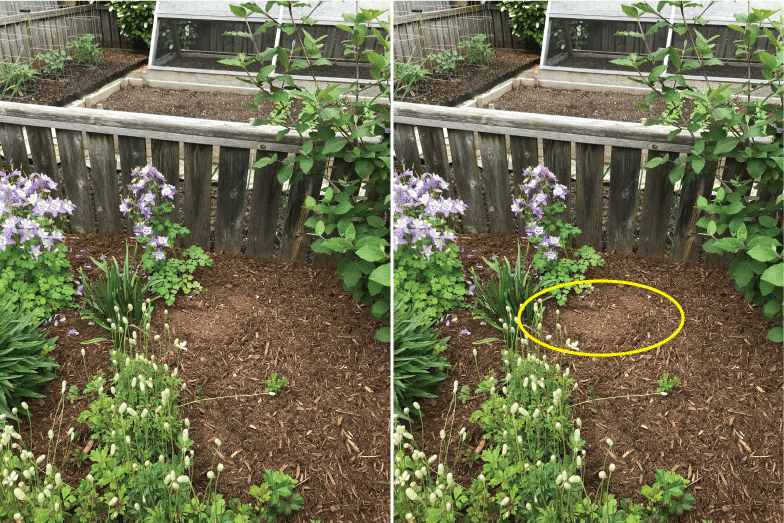
Start at the back of the bed and work forward so that you don’t have to trample on freshly applied fluffy mulch… footprints never look nice in a garden bed! If you must walk on your newly applied mulch- fluff out your footprints! It’s really all about keeping a nice uniform look to the bed.

I feel a bit like a crime detective by circling footprints on the ground! Be a sneaky gardener- don’t leave your footprints behind! They really do look awful in a garden bed!

Mulch the Beds NOT the Plants!

I know it is easy to just toss mulch into a bed and call it a day. Usually the plants get in the way. Take the time to brush the mulch off the greenery; the mulching job will look much tidier.

Show off your Curves (or Straight Lines…)

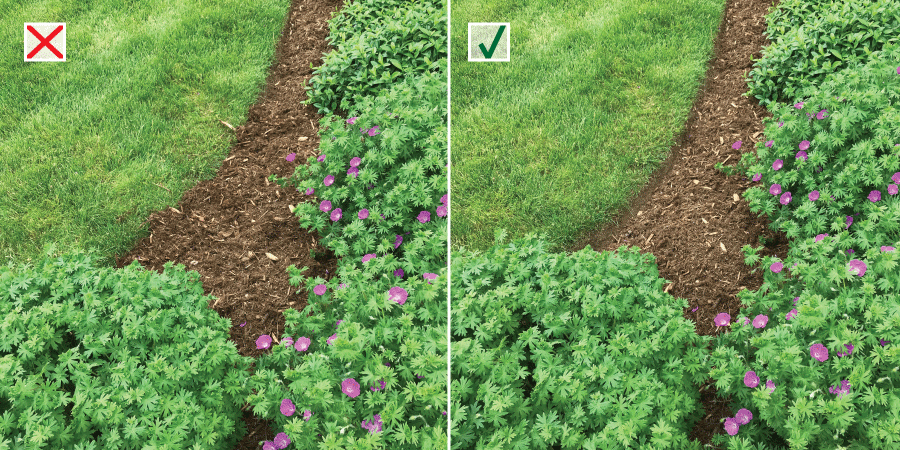
With all the work done to create nice definition to your garden beds through the use of edging, don’t throw all that work away by filling the edges in with mulch (or, even worse, allowing the mulch to overflow onto the grass!). Avoid this problem by tapering out the mulch as you approach the edge of the bed. This technique will keep the garden edge visible and clearly defined.

By thinning the mulch out as you approach the edge of your garden bed, you can retain a nice crisp edge!

Don’t be smothering…

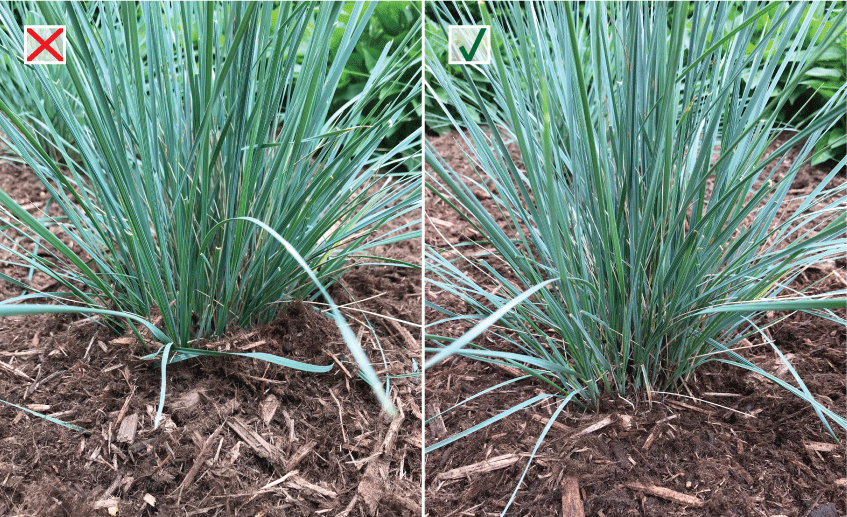
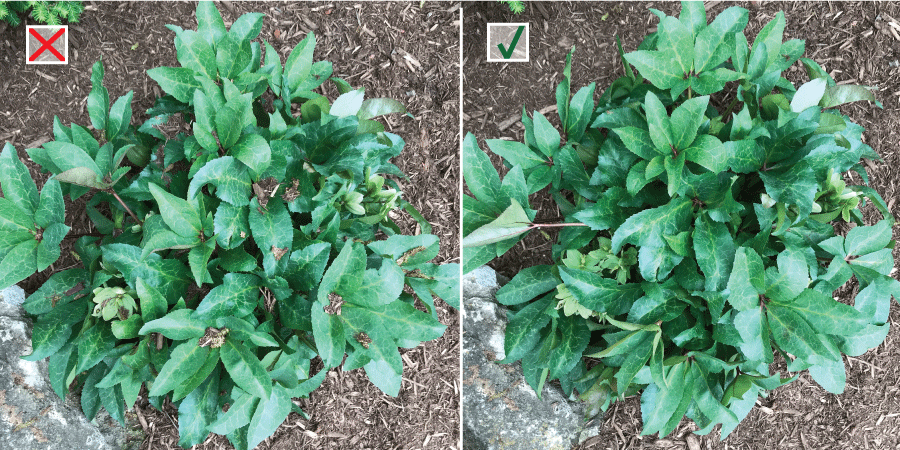
…give your plants some space by not piling up mulch around the base of them. This is an important tip from a plant health perspective. Piling up mulch against the base of perennials, shrubs and trees provides a nice cozy environment in which critters (such as insects, and microorganisms) can live. Many of these critters can negatively impact your plants through feeding or causing disease. I realize that not having mulch right up to the plants interrupts the uniformity of the mulching job. I work around this by applying a ‘sprinkling’ of mulch around the plants just to give the appearance that the area has been mulched when in fact it hasn’t been. Think of it like a dusting of icing sugar on a cake.

If this blue oat grass (Helictotrichon sempervirens) on the left could speak, it is saying”I love you, but I need my space…” Ouch. Don’t get smothering! Taper out the mulch around your plants. A ‘dusting’ around your plants can give the illusion that the mulch layer is continuous.

And there you have it! A couple long-winded posts about mulch. Much more can be written about this topic, but I will save background information for the winter :) Right now it’s time to get out there and garden!

Mulching: The Finishing Touch

(Originally posted: July 11, 2019)

As promised, I am following up my previous post about edging with a post about mulching- it is the ultimate finishing touch that helps make a garden look fabulous. There is a LOT to say about this topic, so I am dividing it into two parts: a mulch primer, followed by tips for doing a top notch mulching job.

OK. Let’s start with a little discussion about mulch shall we?

Aside from really setting off the plants in your garden and giving the garden beds a nice uniform look, the value of mulch goes well beyond aesthetics. It has some really important environmental benefits too. Here is a brief low down:

Benefit #1:

A layer of mulch acts as a sort of semi-permeable barrier when it comes to water. It allows rain/irrigation water to seep through to the soil but it also helps to slow down water lost from the soil due to evaporation- delaying the need to add supplemental water during dry periods… thus conserving this precious resource! (This ability to conserve soil moisture is also why we don’t want to apply mulch to water-logged spring soils… for the health of our plants, we want to encourage these soils to dry out a little before ‘locking in the moisture’!)

As summer weather hits, our minds shift to water conservation. In a garden, mulch is an important piece of the ‘water conservation puzzle’.

Benefit #2:

A layer of mulch can absorb the impact of driving rains thus preventing your garden soil from washing away or splashing up on your plants- a relevant concern given the weather we have been experiencing as of late! Mulch fibres tend to weave together which helps the layer stay in place in conditions that would otherwise wash soil away. (It is important to keep in mind that when mulch fibres become too interwoven, the layer has a tendency to repel water- this is where ‘fluffing’ the mulch every now and then is a good idea.)

Benefit #3: Exposed soil just screams “Hey weeds! Land available- make your home here!” The barrier provided by mulch can help control weeds in two ways. First of all, a good mulch layer (around a 3” depth) can prevent existing weed seeds in the soil from taking hold by eliminating the sunlight required for them to germinate. The layer of mulch is also not conducive to rooting, so seeds blowing into the area will have little success at ‘laying claim’ to the land. With that said, it is important to weed your garden before applying mulch. You may think you have won the war by covering up your unwanted plants, but most likely you have not. Sorry. Existing weeds will often grow right through the mulch… forcing you to actually deal with the problem instead of covering it up!

Attack of the weeds! Mulch can be used as a weapon in the war against weeds in your garden.

Benefit #4: Mulch is a natural product that, when it breaks down, it adds organic matter to the soil (which in turn adds nutrients to the soil, increases the water holding capacity of the soil as well as the ability of the soil to retain nutrients). Organic matter can also help break up clay soils and ‘beef-up’ really sandy soils (in general, it improves the structure of the soil). In this way, mulch is another way we can ‘give back’ to our gardens during the growing season!

Benefit #5: Mulch can help moderate soil temperatures, buffering plants from the heat of summer and the cold temperatures of winter. This can be the difference between the survival or demise of more tender plants (or plants growing at the edge of their climatic limits).

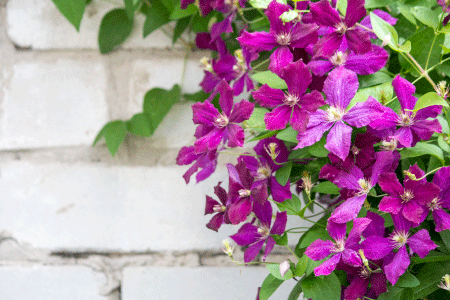
Clematis is a plant that benefits from a generous layer of mulch to moderate soil temperatures.

Types of Mulch and How Much to Use

Organic mulches are really the only type of mulch to consider for a garden. Of the organic mulches, the most readily available ones for the home gardener are the shredded bark mulches that are found in bags at your local garden centre. Usually it becomes a choice between pine and cedar. There is also a choice in colour as dyed mulches are available in brown, black or red (gag!).

Bagged shredded cedar mulch. Note the shredded/fibrous texture of this mulch.

So how does one choose? Here are some points to consider when choosing a mulch for your garden:

  • Pine mulch tends to be lighter in colour and breaks down faster than cedar mulch (this is not necessarily a bad thing since you will need to reapply mulch on a yearly basis anyway; I personally like a mulch to break down quickly so that it is incorporated into the soil sooner.)

  • Pine is more acidic than cedar

  • Cedar mulch tends to have a naturally reddish colour to it

  • The stained mulches may look nice when first applied but they tend to fade (in full sun situations they can start looking very ‘tired’ quite quickly)

  • Black mulch shows every single piece of debris that lands on it

  • Red mulch is just wrong and shouldn’t even be considered an option! (This is the hideous orange-red mulch that tends to be used in parking lot and gas station gardens. If you love your garden and want to show it off, I am begging you…DON’T USE THIS MULCH!)

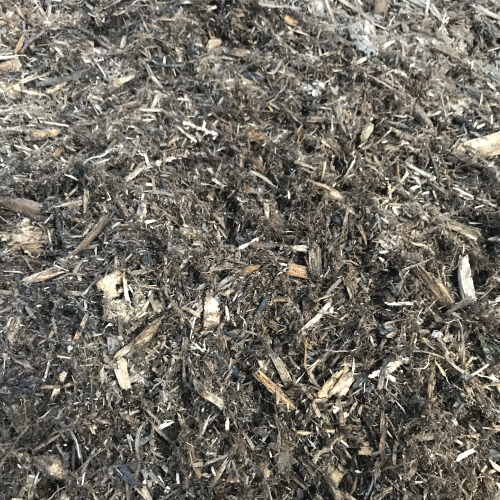
Some other variations are available when buying mulch in bulk. If you are happy to get a pile of mulch dumped on your driveway, this is certainly the most economical way to go! I personally like a composted pine bark mulch. It has a more uniform consistency than the shredded mulches and it doesn’t tend to weave together. This does make it more susceptible to swimming away in driving rains… but considering the downpours we have seen in recent years, I have found it to hold up extremely well!

Composted pine bark mulch. Note the more consistent texture of the mulch particles compared to the shredded bark mulch. This mulch lacks the fibrous quality of the shredded bark mulches and the particles do not weave together.

I realize there are even more options when it comes to mulching (straw, compost, shredded leaves, wood chips to name a few) but I will save these for future posts. Let’s get on with the task at hand… applying mulch to our gardens! (Which just happens to be covered in the next post…)