Planting

Soil pH- it's quite basic (or acidic), really

(Originally posted: June 1, 2021)

It’s been a flashy time of year in my neck-of-the-woods. For weeks, the floral fireworks ignited by our trees and shrubs have been creating quite the show in a colourful progression... Witchhazels! Maples! Forsythias! Cherries! Magnolias! Serviceberries! Flowering Pears!

…and…

Rhododendrons!
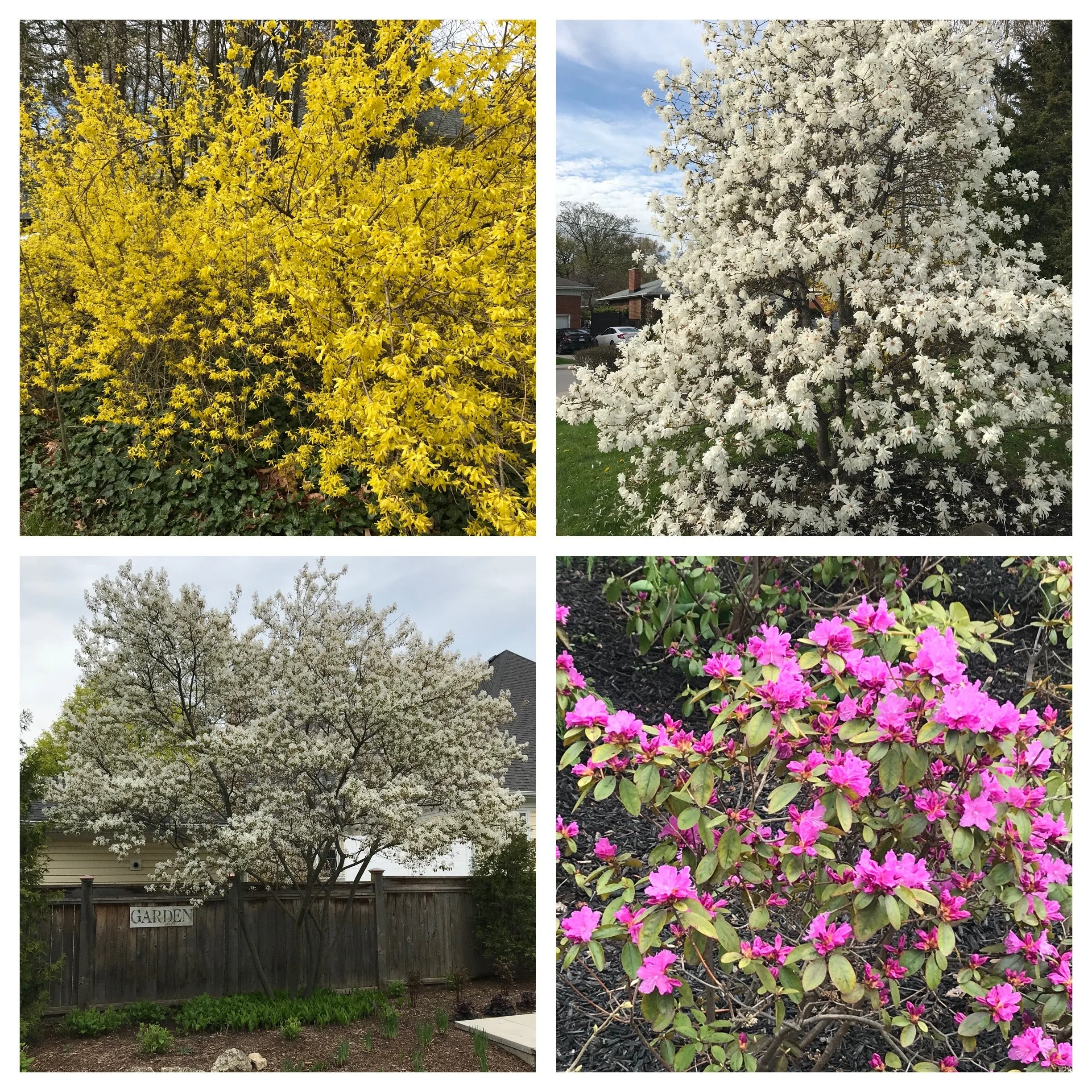
Floral fireworks of spring.

It is this time of year, when I longingly look at the blooms of the Rhodos. My feet then get ichy to ‘put the pedal to the metal’ and zip out to the garden centre to get a few (it’s best to buy in 3s, right!?) of my own.

Now I should say that kids are amazing at distracting one from the task at hand, so impulse purchases such as this have greatly decreased in recent years. This also affords me the time to let common sense prevail and I am then able to remind myself that these plants are simply not the right fit for my yard. Why? For me, the root problem is soil pH.
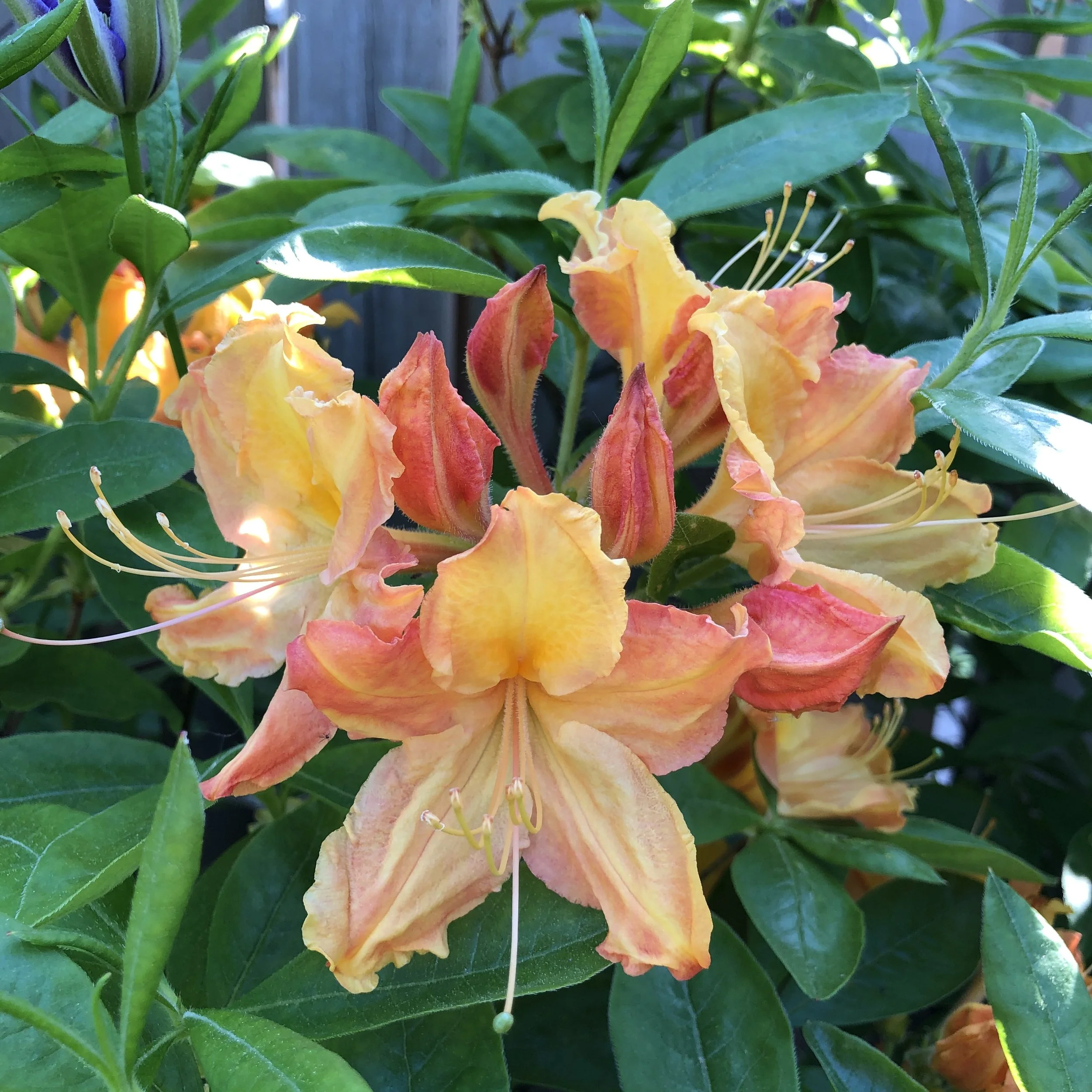
How I long for one of these in my garden! Alas it is not meant to be!

Let’s backtrack.

All plants have their preferences when it comes to growing conditions. Some like sun, some prefer shade; some like ample moisture, while others thrive in dry conditions. There are some plants that prefer humus rich soils while others perform poorly in these conditions. Generally, we factor-in these growing preferences when selecting plants for our gardens. To a certain extent, we can control these conditions- by situating plants in various areas of our yard that have the lighting/moisture conditions suitable to the plant at hand.
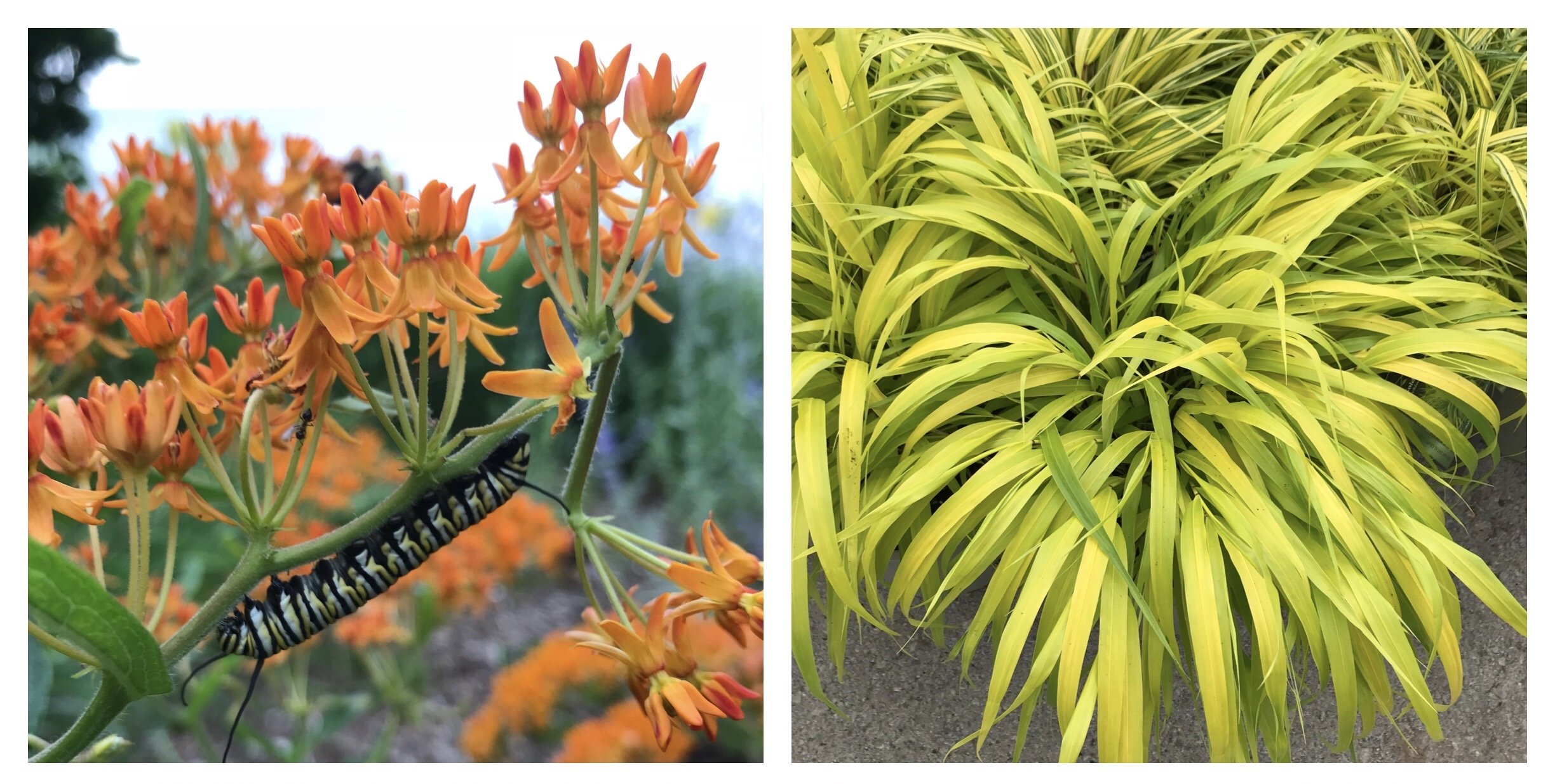
Two plants with very different preferences in growing conditions. Butterfly weed (Asclepias tuberosa) on the left that prefers sunny, dry conditions on sandy soil while ‘All Gold’ Japanese forest grass (Hakonachloa macra ‘All Gold’) shown on the right, prefers partial shade and deep rich soil.

There is one growing preference that is VERY easy to overlook, or even forget about entirely, but it can often be the key to a particular plant’s success or failure in a garden. Furthermore, it is a soil attribute that we have very little control over and essentially no power to permanently change. That attribute is soil pH.

Don’t worry. I am not going to get into any in depth chemistry lessons here. Essentially pH is a measurement (from 0-14) of how acidic or basic a solution is. A pH of 7 is neutral; anything greater than 7 is alkaline/basic (such as baking soda which has a pH of 8); a pH of less than 7 is acidic (such as lemon juice with a pH between 2-3). The optimal soil pH range for most (but not all) plants is between 6-7. Nutrient availability to plants is linked to soil pH and it is in this ‘optimal pH range’ that the nutrients necessary for plant growth can be found in their soluble forms (in ideal amounts) and therefore available for the plants to take in. Outside of this range, various nutrients can become ‘locked up’ in insoluble forms that the plants cannot access and nutrient deficiencies can result. On the flip-side, at certain pH levels, some elements can become ‘too available’ to plants- to the point where they become phytotoxic.

So what does all this mean for ‘us gardeners’? KNOW YOUR pH! A simple test kit can be purchased at your local garden centre. Alternatively, you can send soil samples off for testing at a laboratory. The reports from such tests are really useful as they generally include measurements of soil nutrient and organic matter levels. This can indicate whether or not amendments are required, and what amendments would be needed to optimize your soil for plant growth.

So- let’s go back to my plant lust example: the Rhododendron. These beauties are considered acid-loving plants- a special club whose membership also includes: blueberries (Vaccinium), mountain laurels (Kalmia latifolia), Japanese pieris (Pieris japonica), pin oak (Quercus palustris) and the list goes on. These plants prefer to grow in soils ranging in pH from 4.5 to 6. If soil pH is too high, these plants will exhibit chlorosis (a sign of iron and/or manganese deficiency- two elements that become more ‘locked-up’ at higher pH levels).
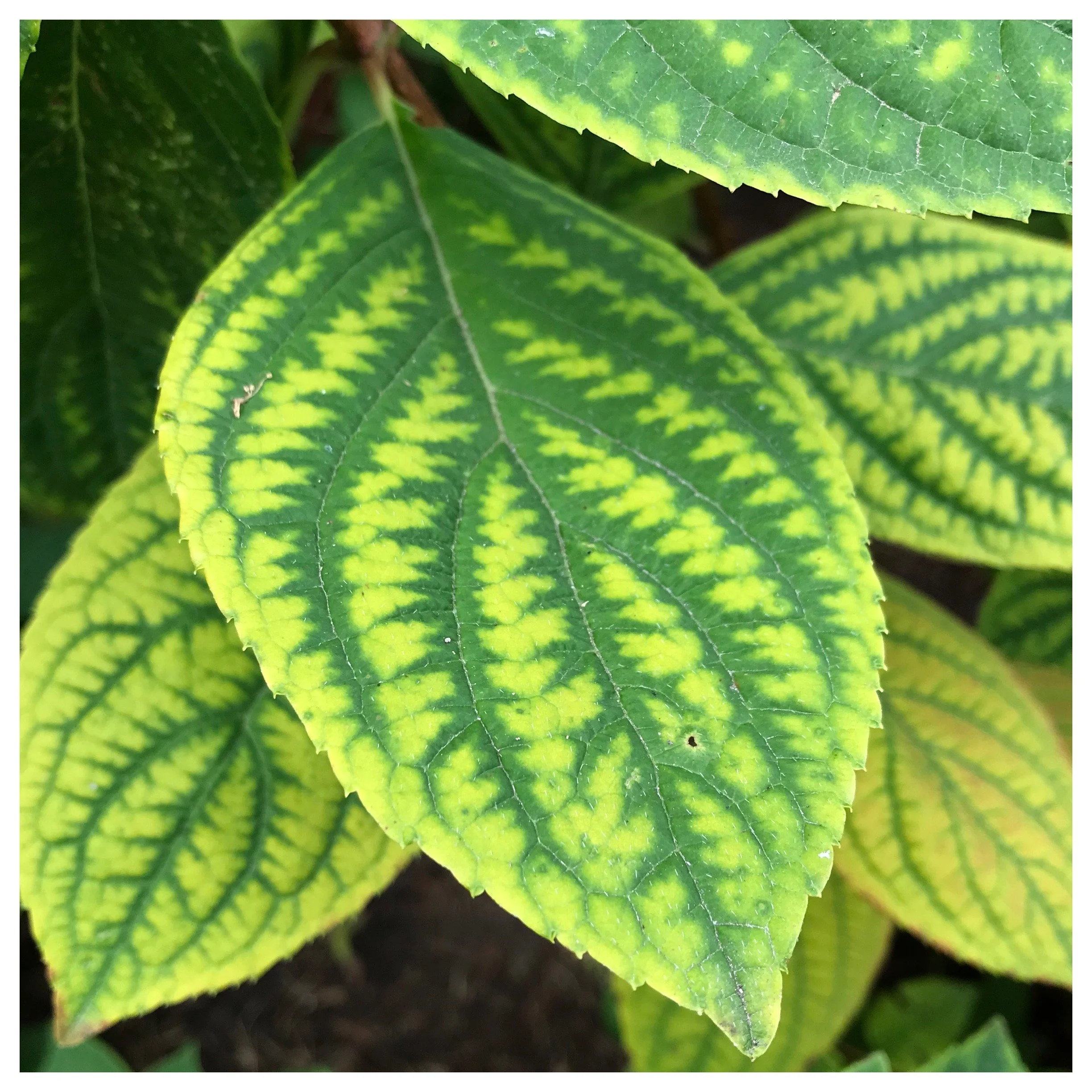
A hydrangea with chlorotic leaves

but I have slightly basic soil. What are my options?

Generally, soil pH is determined by what lies beneath- the parent material. Since pH is essentially guided by the foundation from which the soil was formed, it means that pH is not exactly an attribute that one can permanently change by sprinkling a few pellets or powder on the ground! The overlying pH tendency of the soil will always prevail. Temporary changes to pH can be accomplished through the routine addition of amendments. For example elemental sulfur or aluminum sulfate can be used to acidify the soil while lime can be used to make a soil more alkaline, but this will become a yearly task to add to the gardening ‘to do’ list.

When it comes to soil, I am not really interested in trying to fight my conditions. So in this case I fall back on the mantra that we should all chant as we walk through the temptations that line the aisles of the garden centres:

”Right plant, right place”.
It's Gardening Season- Dig in!

(Originally posted: April 9, 2021)

Spring is upon us and gardeners everywhere are chomping at the bit to get their hands dirty and turn winter dreams into reality. With all this unbridled enthusiasm in the air during the early days of spring, it is no surprise that the most common question to arise in conversation tends to be: “how soon can I start planting?”.

My answer, to the shock (and sometimes horror) of many people, is “if you can get a shovel in the ground, then you are eligible to plant!”

Now this may seem like a nice concise answer and the end of the blog post, but by now I think you know that I am not exactly a short-winded writer. Like all gardening statements, this one comes with some caveats that we should really take a few moments to discuss.


Soil Workability vs. Suitability

While the lack of frozen soil is an indication that the ground is workable and able to receive some new plant material, the question becomes whether or not it is suitable to be working in the garden. One common condition that makes soil unsuitable for gardening (which can occur during any season but is frequently a problem after snowmelt and spring rains) is that it is too wet. Trampling on wet soil is an easy way to cause soil compaction (bad!), not to mention that planting in waterlogged soil does nothing to start new plants off on the right foot! In fact, it is a good way to essentially drown them.

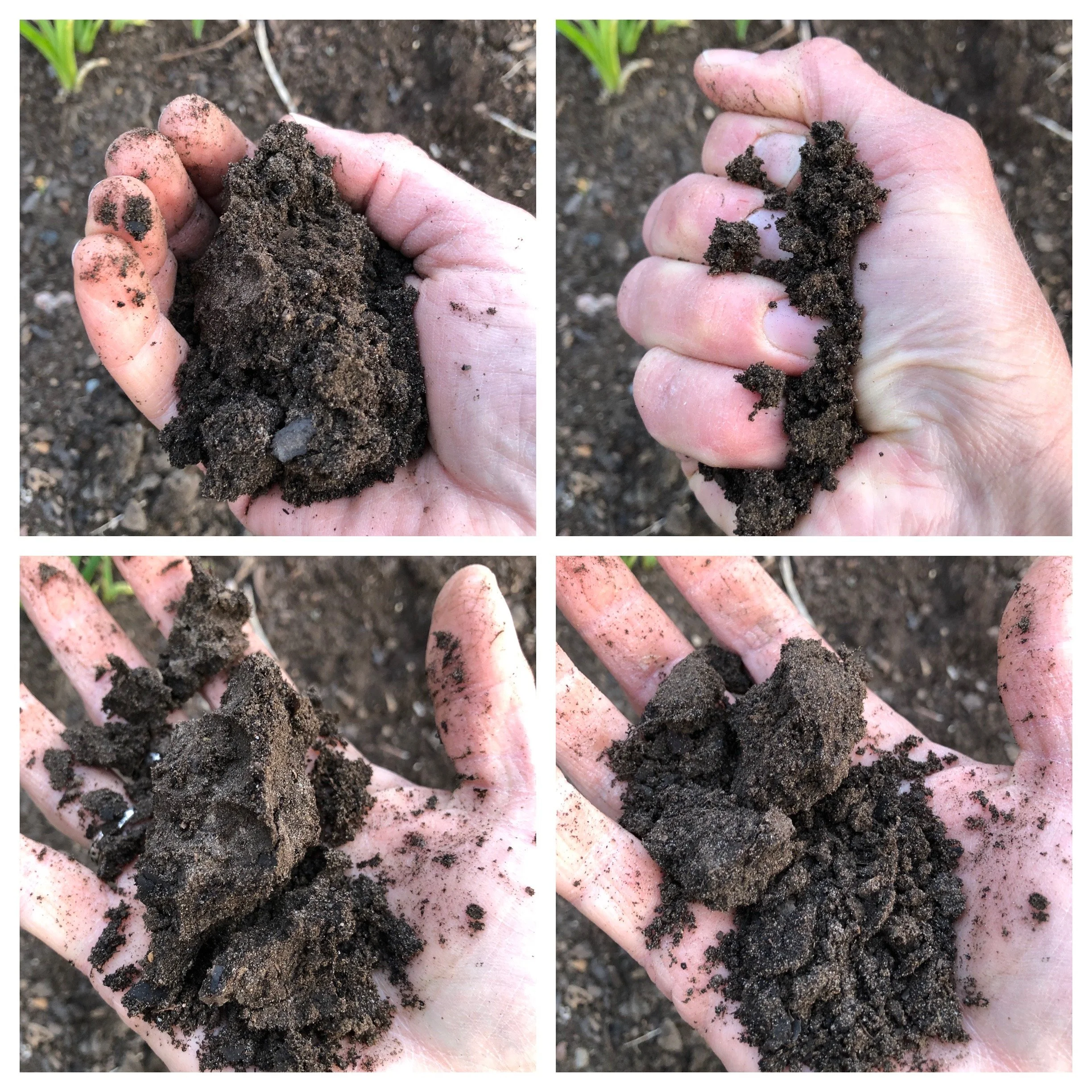
Not sure if your soil is too wet? Try the ball test! Scoop up a handful of soil with a trowel and squeeze it into a ball. Now ask:

Does the soil leave a mud impression on my hand/does the soil stick to my fingers?

Do I see free water squishing out from the soil when I squeeze it?

Does the ball remain in tact if thrown in the air?

If you answered yes to any of these questions, the soil is too wet to be worked and it should be allowed to dry out to the point that it is able to crumble after being squeezed into a ball, or break apart when thrown into the air. Obviously if you garden in heavy clay soil, the ball test is much less straightforward as clay particles have an uncanny ability to stick together. Therefore, in the case of clay soils, the presence of water/soil staining on fingers becomes a very useful observation when determining soil moisture levels.

The ‘Ball Test’ (clockwise from top left): a scoop of soil is collected from about 12” down, it is squeezed into a ball, the ball cracks upon the opening of my hand, the ball completely crumbles after tossing it in my hand. Visually the soil is not excessively wet and I have very little staining my fingers. Looks like I’m good to go!

Suitability of Plants

While dormant trees, shrubs, and perennials can be planted at the first opportunity that soil conditions will allow, plants that have leafed out may not be ready for the ‘outside world’ if they have spent the entire winter and early spring being coddled in the highly controlled environment of a greenhouse. They are wimpy and need an adjustment period to acclimate to the harsher conditions (more intense sunlight, presence of wind, and temperature swings) that are found outdoors before they are permanently relocated to a garden home. At this time of year, when purchasing plants, you can ask the garden centre if the plants are ready to be transplanted outside; alternatively you can play it safe and ‘harden off’ the plants on your own by gradually increasing their daily time spent outdoors (bringing them indoors at night), and gradually increasing their exposure to sunlight over the course of about a week. A quick Google search on “hardening off” will provide you with numerous reputable resources if you are not sure how to do it.

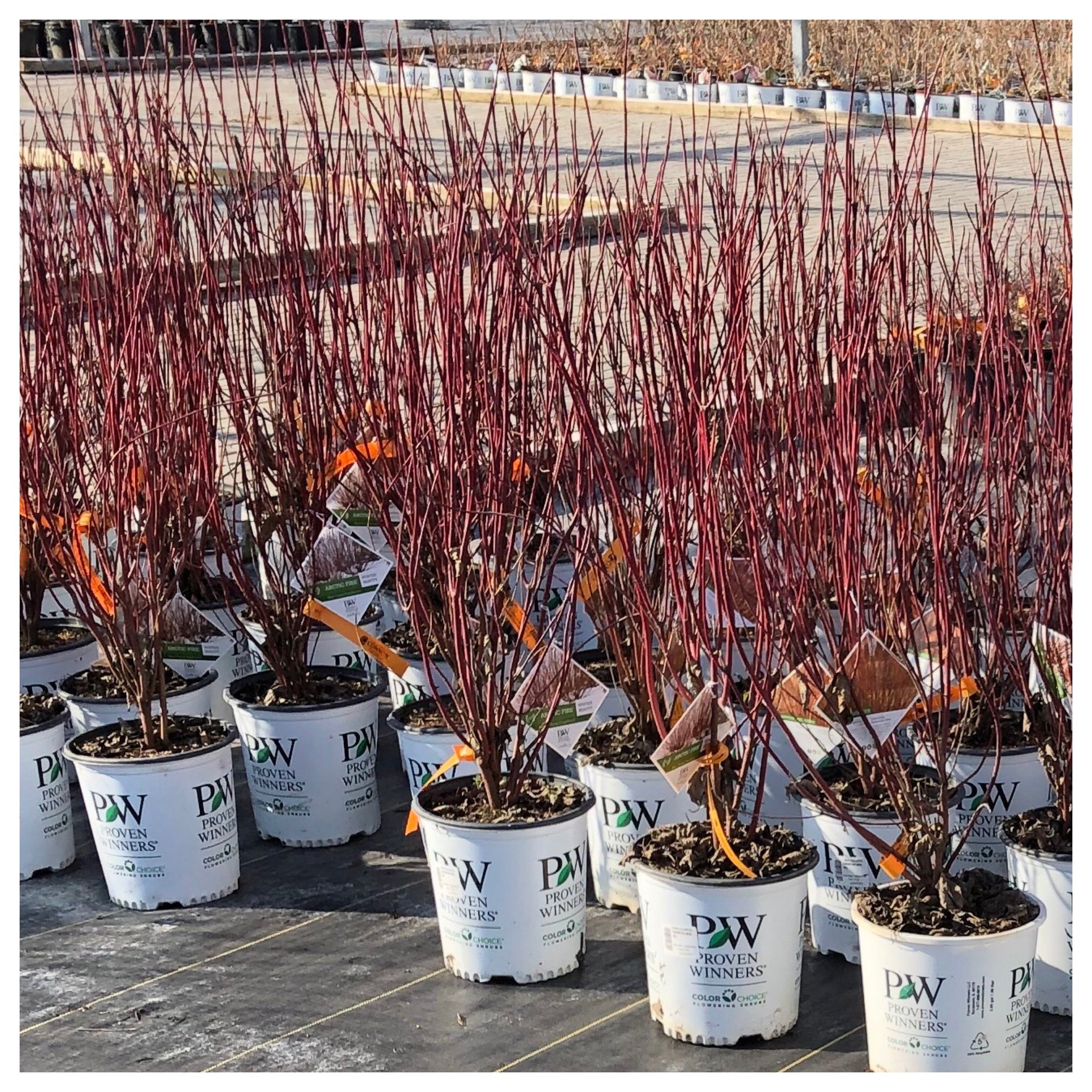
Beautiful in dormancy, Cornusstolonifera ‘Arctic Fire’ awaits relocation to a garden home where they can continue to shine!

As a final note on plant suitability, we must keep in mind that while temperatures are warming up quickly, there is still a risk of frost for weeks, or even months to come. Plants that cannot tolerate hard frosts should not be planted outside until at least the last frost date has been reached. With that said, there is still the probability of frost after this date so it is best to wait longer before installing tender plants. To illustrate this point: the last spring frost date in my area (according to The Old Farmer’s Almanac) is listed as April 20, but it is standard practice to not widely plant tender summer annuals until mid to late May to be ‘on the safe side’. So going back to my blanket statement about planting when the soil is workable… well that comment has absolutely no validity when it comes to tender plants!

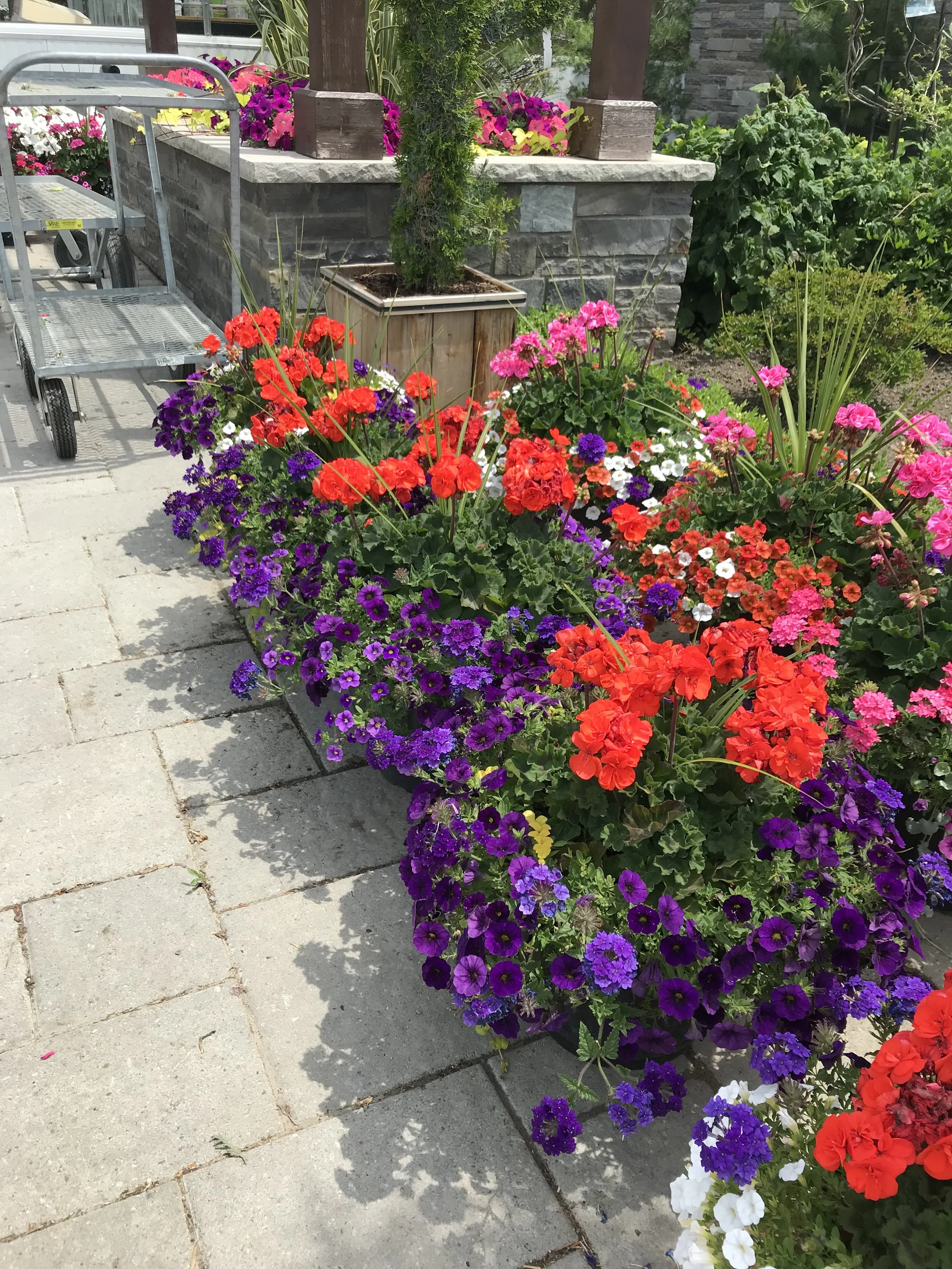
Colourful annuals have no place in the garden for at least another month and a half!

Well, for me, annuals are a distant speck on my radar at the moment, but I just happen to have big plans for adding trees, shrubs, and perennials to the garden this year. With the arrival of the planting season in my neck-of-the-woods, it is now time for me to make my shopping lists, do some stretches, and get ready to work the dirt. (Yeehaw!)

Additional Resource:

United States Department of Agriculture. Natural Resources Conservation Service. No date. Program Aid Number 1619. Estimating Soil Moisture by Feel and Appearance. https://www.cdpr.ca.gov/docs/county/training/inspprcd/handouts/soil_moist_feel_test.pdf (GREAT PHOTOS!)

It's not over until it's over: Fall Planting

(Originally posted: September 27, 2020)

Around here, the first real ‘nip’ in the air usually comes in late August. It usually doesn’t last- typically reserved for the hours between dusk and sunrise- but it is always an instant reminder that change is on our doorstep.

I always get excited when the temperature begins to dip. Not only do I love the seasonality of life in Canada, but the cooler air is welcomed with open arms. I am usually pretty ‘done’ with the heat of summer at this point in the year (truthfully I am usually done with it in July) and I am just longing to cozy up in my fleece sweater and sport my favourite hair accessory: the toque.

Shorter days, cooler temperatures, amazing colours… fall is here!

With the change in wardrobe comes a change in garden mindset too- thoughts of removing annuals, cutting back perennials, cleaning up leaves, and erecting snow/wind protection usually comes to mind when we think of fall gardening, but let’s not close out the gardening season so quickly! Fall is also a fantastic time for another fun task… planting! Which, may I point out, generally involves acquiring NEW PLANTS- yippee!

Fall Planting

Fall is a great time for planting for a few reasons:

  • The air temperatures are cooler which makes the change in location less stressful on the plant. Cooler temperatures also discourage the plant from sending out top growth (which is ideal since we want new plants to focus on root growth instead).

  • The soil is still warm which allows for root growth (and therefore plant establishment).

  • There is [usually] more consistent moisture in the form of rainfall. Moisture is essential for the establishment of newly installed plants. When it is generously provided by Mother Nature, it minimizes the need to irrigate newly planted material. Additionally, the cooler temperatures mean the garden won’t dry out as quickly so it will be easier to keep plants properly watered while they get established (proper watering is usually a losing battle in the summer).

  • We get a head-start on next year’s growing season. By planting at this point in the year, new plants have a good month or more to ‘put down roots’ giving them a good head-start for next year.

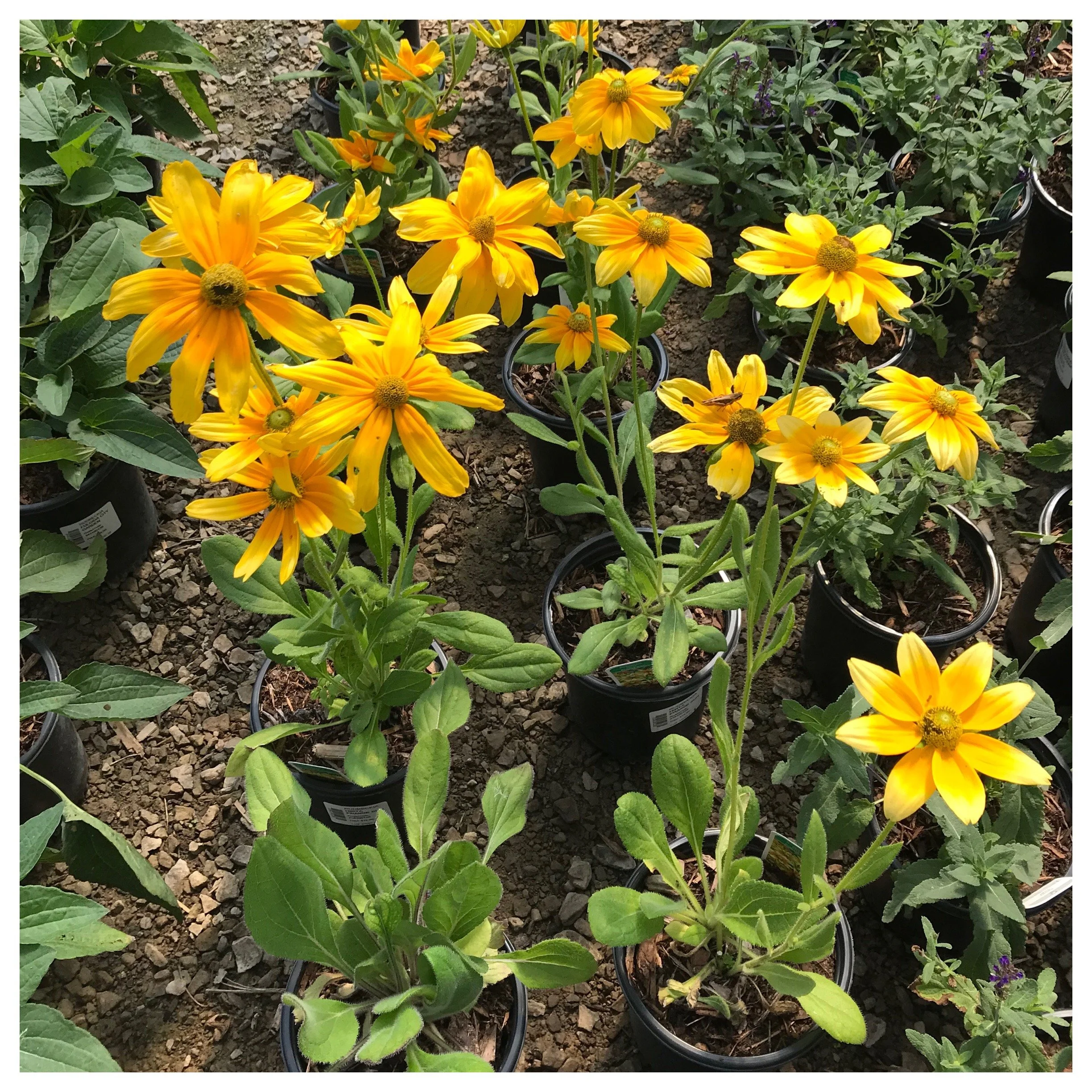
Yippee! New plants! (Rudbeckia hirta ‘Prairie Sun’)

A Word of Caution

While fall is generally a great time for planting, there are a few plants I shy away from installing in the autumn months. They include:

  • Broadleaf evergreens such as Rhododendron, Pieris, evergreen Ilex (holly) and Buxus (boxwood). These shrubs retain their leaves throughout the winter months and it is through these large leaves that moisture is lost. With the soil water frozen (and therefore ‘locked-up’), these plants are not able to replenish the water lost from their leaves and the plants then become at risk of desiccating (drying out) over the winter months.

  • Other evergreens with needle/scale-like foliage such as Pinus (pine), Picea (spruce), Thuja (cedar), Tsuga (hemlock) etc. While these evergreens are generally adapted to harsher climates and their foliage is designed to minimize water loss, the needles/scales are still areas where water loss can occur. Once again, with roots unable to access the moisture locked-up in the frozen soil, these plants can suffer from winter desiccation. (It should be noted that this is particularly an issue for newly planted nursery stock; once these evergreens are established with a more mature root system, the concern over winter desiccation lessens).

  • Plants that are marginally hardy for the location in which I am planting them. The two plants that come to mind are Buddleia (butterfly bush) and Caryopteris (bluebeard). For plants such as these, I want them to have the whole growing season to get themselves established in my garden before they need to face the harsh reality of winter!

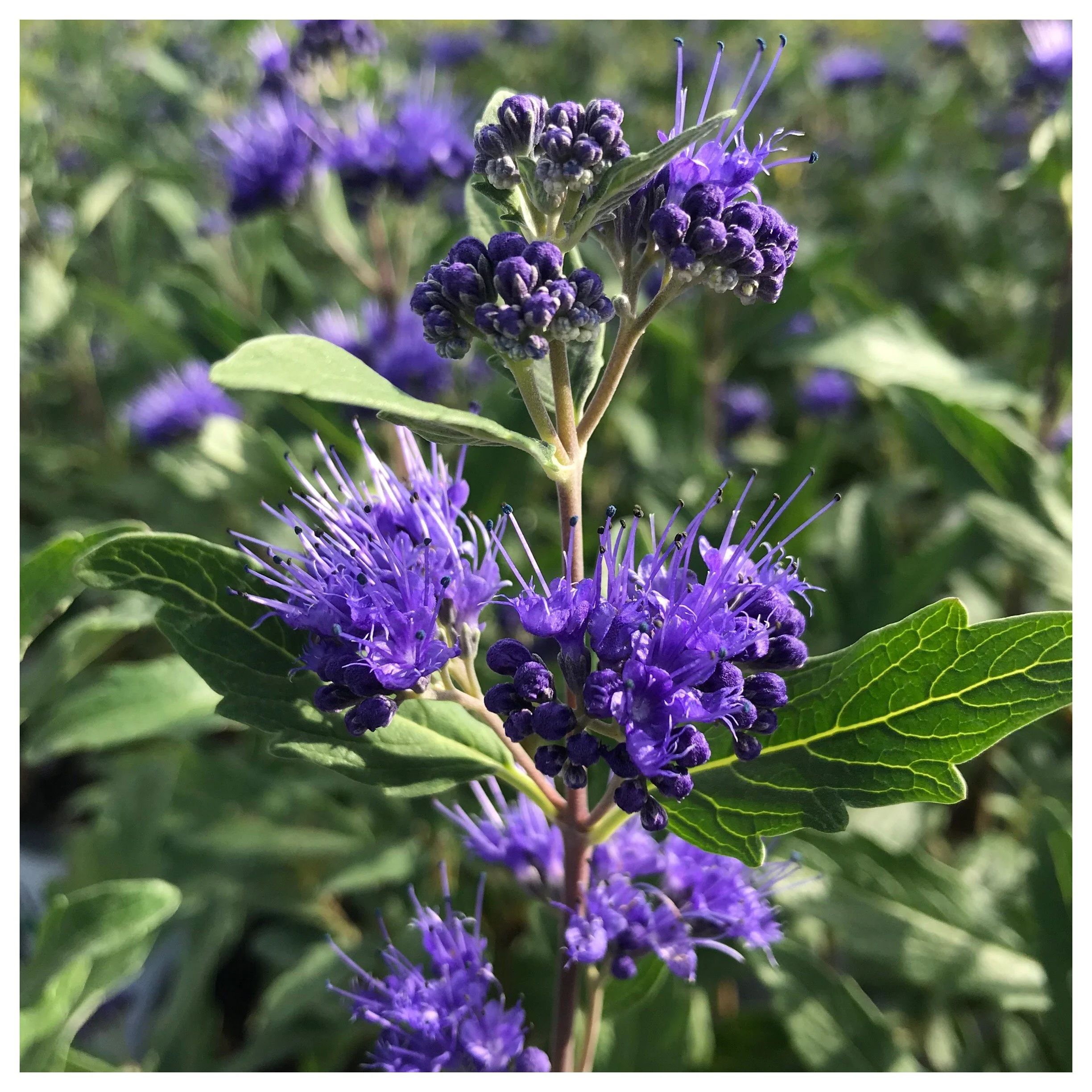
Caryopteris- a plant that doesn’t exactly have the best track record for withstanding our winters. For that reason, it is one that I prefer to plant in the spring.

Throwing out the Rules

As with many things in gardening, rules are meant to be broken. In reality there are many amazing sales to be had at the garden centres and realistically, gardeners tend to have a bit more time on their hands in September/October as opposed to the spring (when there is no end to the ‘to do list’). Planting at this time of year makes practical sense.

So what happens if you just happen to purchase some plants that are not-so-ideal for fall planting? Well, there are a few techniques you can use to help ensure the survival of your new additions:

  1. Burlap- erect a burlap screen around newly planted trees/shrubs to minimize airflow around the plants (which in turn minimizes the evaporative water loss from the plants and helps to ward-off desiccation). Screens get erected once air temperatures remain consistently cold- usually November.

  2. Mulch- Applying a good layer of mulch around the plant protects the establishing root system by providing additional insulation from the cold as well as potentially damaging temperature fluctuations. Mulch also helps to conserve soil moisture.

  3. Water- It is important to remember that despite cooler air temperatures, soil can still dry out. For roots to grow and establish, they need moisture so it is important to keep watering newly planted trees, shrubs, and perennials right up until the ground freezes! Proper watering during the autumn months will also ensure your plants are “fully hydrated” entering into the winter. This is an important step in helping your plants survive winter water loss without completely drying out. (A drought-stressed plant is much more likely to succumb to winter desiccation than a property watered plant.). So check your soil often, and when it starts to get dry, be sure to water. With that said, it is important to not keep the soil consistently wet, as this will promote root and crown rot issues in your plants.

Phew! Well that was long-winded! So as you can see, the growing season is certainly not over! On that note, I have a sudden urge to take a walk through my garden and make a shopping list- afterall there are still some ‘must-haves’ that must find a place in my garden this fall!

Happy planting!

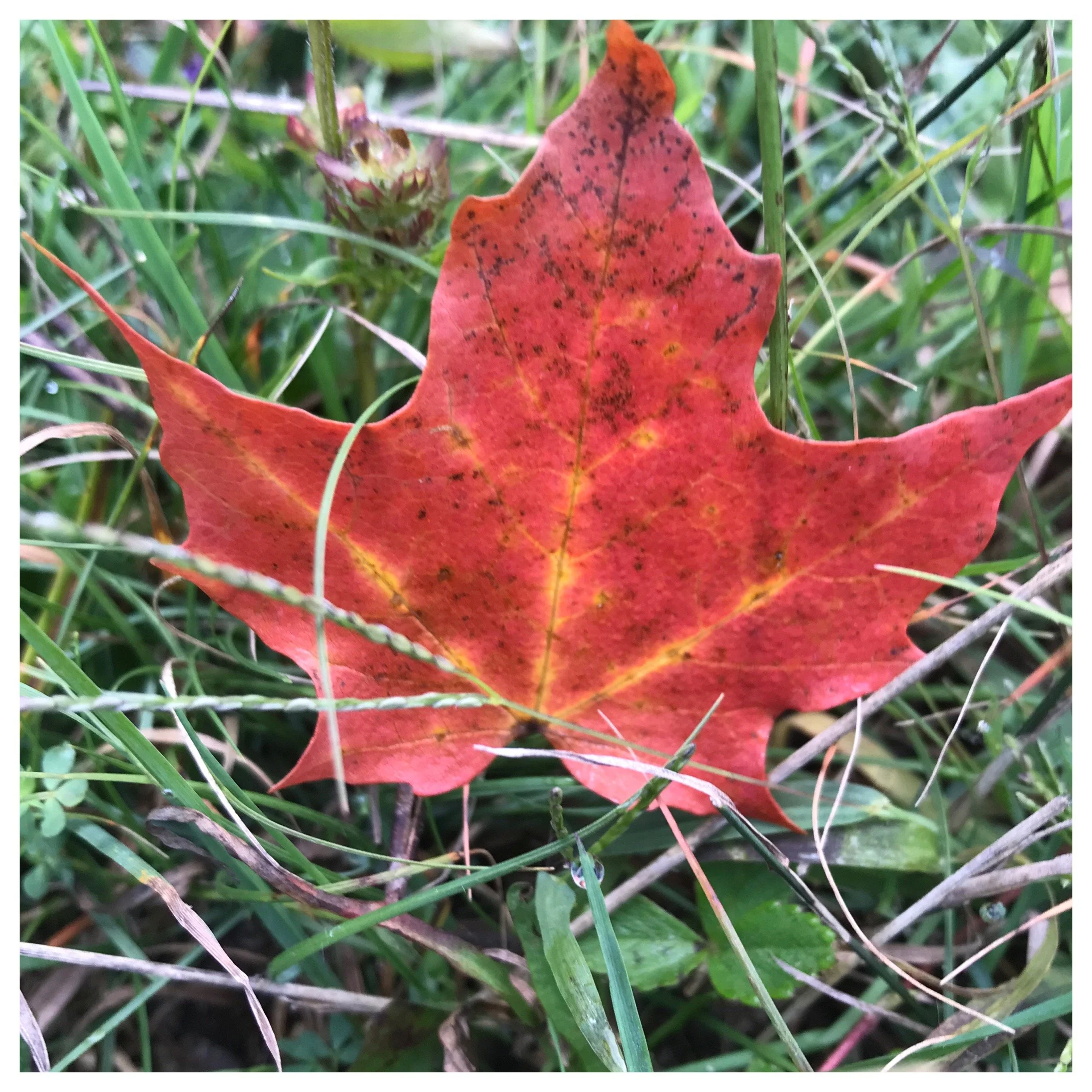
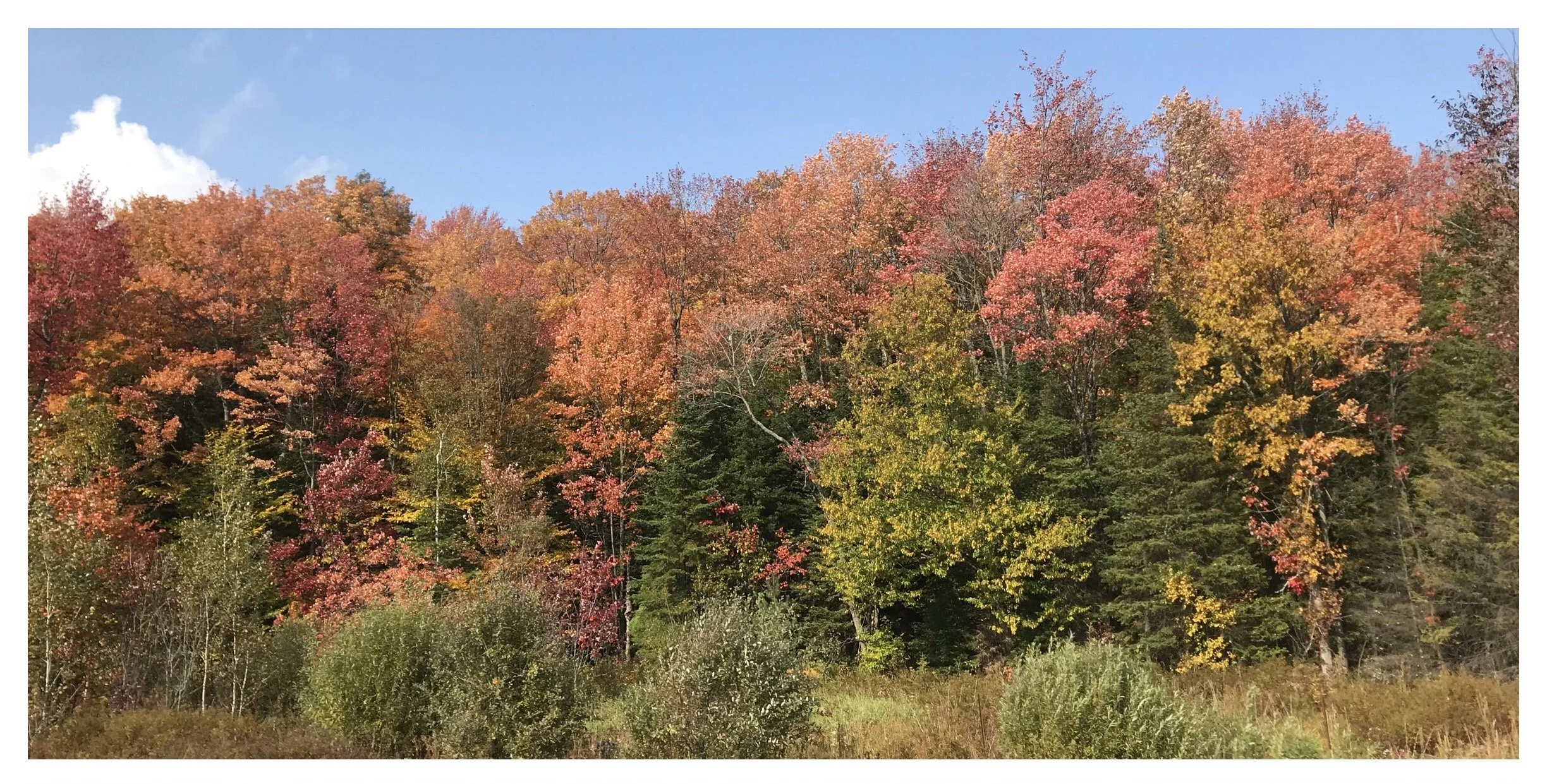
A sea of colour… take it in! It won’t last long…