Giving Back

(Originally posted: May 18, 2019)

With the almost constant rains of April and early May finally looking like they will be subsiding, it is now time to start ‘giving back’ to our gardens.

Remember all those leaves and debris that we removed last fall and during our Spring clean-up? These are the nutrients and organic matter that we stole away from our plants in exchange for a tidy-looking yard. Well now it is pay-back time! A time to look sheepishly around our yard, mutter some apologies, and give back to our garden what was taken away from it… albeit in another form, but regardless, the point is we are making ‘amends’!
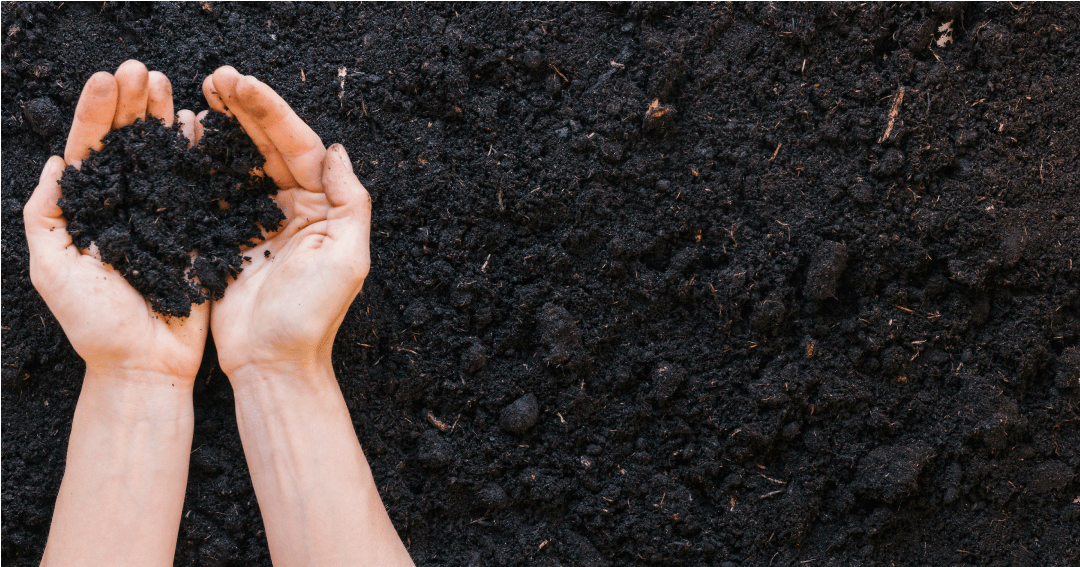
Soil is at the ‘root’ of plant heath. Keeping our soil healthy sets us up to grow healthy plants. So what is healthy soil? It is soil that can sustain life- not just the lives of our plants, but also all the other organisms that live within it. To sustain life (both above and below ground) soil needs to have: nutrients, moisture, air and a suitable structure in which other organisms can grow.

Two important amendments to maintain soil heath are:

  1. NUTRIENTS: in the form of natural fertilizers. In general, fertilizers contain (and plants need) 3 macronutrients- Nitrogen (N), Phosphorus (P) and Potassium (K)- they are listed on the package according to their percent by weight in the fertilizer. For example, an N-P-K analysis of 15-30-15 is 15% nitrogen, 30% phosphorus and 15% potassium. The remaining 40% is ‘other’, which can be organic matter, micronutrients (also needed by plants) and filler (in the case of synthetic/man-made fertilizers) .

    There are two kinds of fertilizers: organic (which comes from natural sources) and inorganic (which is mined or man-made). Additionally, there are two modes of application: granular (which is slow release and available to plants over a long period of time) and water soluble (which is instantly available to plants for a very short period of time).

  2. ORGANIC MATTER- serves many important roles in the soil. It increases the water holding capacity in sandy soils, helps break-up and promote drainage in clay soils, holds and releases nutrients to plants, and improves the overall structure of the soil.

While I am not strictly an organic gardener, I do consider myself an ‘ecological gardener’ and I typically use natural amendments to add both nutrients and organic matter to my garden beds. After all, it was organic material that was removed from my gardens therefore it is organic material that I will replace. This week, I have been using pelleted hen manure to fertilize the beds. Compost is something I will do in the weeks to come- at which point I will do another blog post on this important amendment!
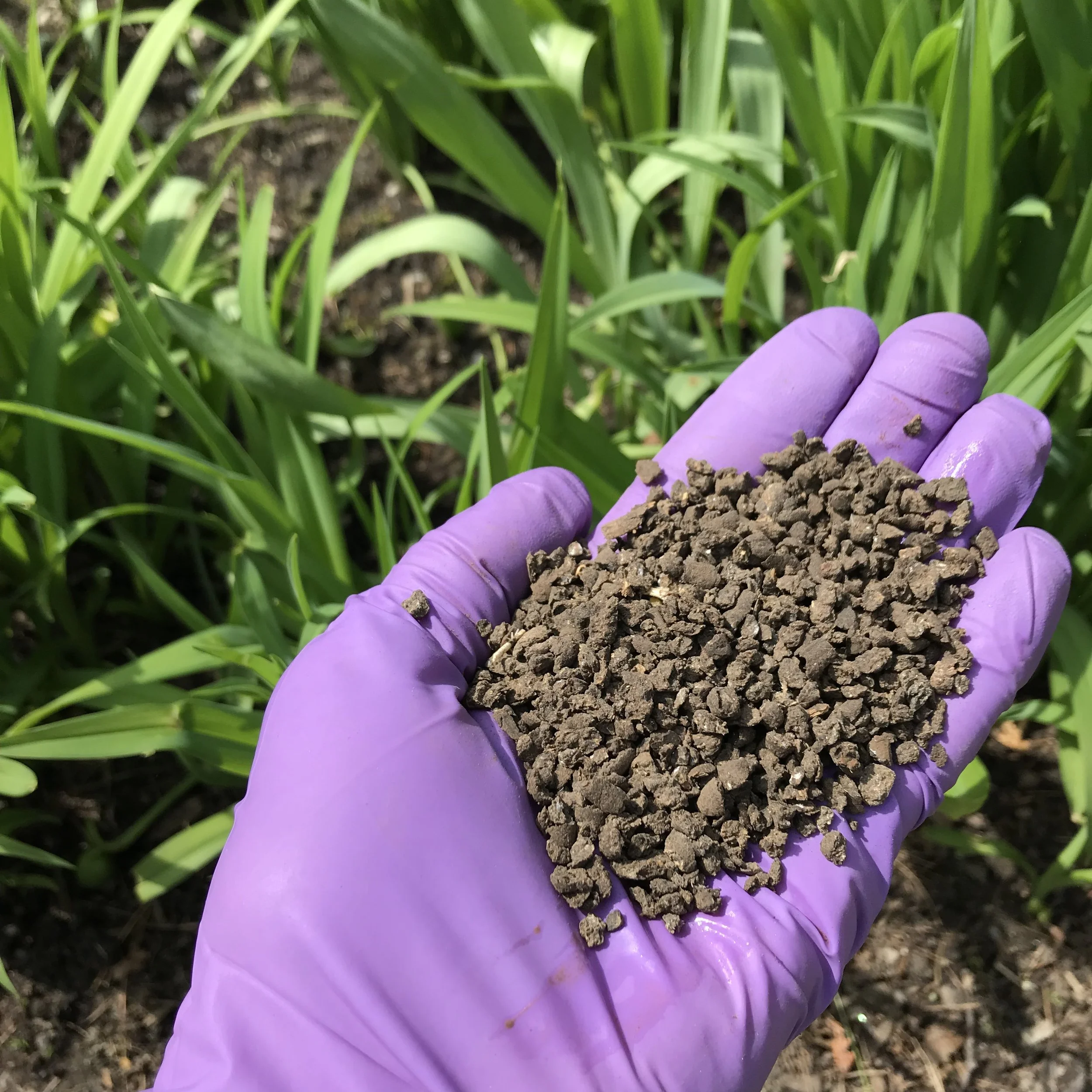
A handful of stinky goodness- pelleted chicken poop!

Oh hen poo- how I love you! Why you ask? It is a natural and relatively balanced fertilizer (5-3-3), contains organic matter, is easy to apply, the brands I use are approved for use in organic gardening, and I don’t need to worry about burning foliage with it or over-fertilizing my plants which are two concerns when using synthetic fertilizers. To loosely steal from a well-known cough syrup commercial: it smells awful, but it works!

To apply the hen manure, I broadcast it by hand around all the plants in the garden, paying particular attention to spreading it where the roots would be growing… which, generally speaking, is the area beneath a tree or shrub extending from it’s base out to the drip line (outlined in the diagram below using dotted lines). It is important to keep in mind that the roots most able to absorb nutrients are those further away from the base of the plant and closer to the drip line, so throwing a pile of fertilizer at the base of a plant isn’t going to do much for it! The same goes for perennials- the manure gets sprinkled on the soil around the perennials not on them!
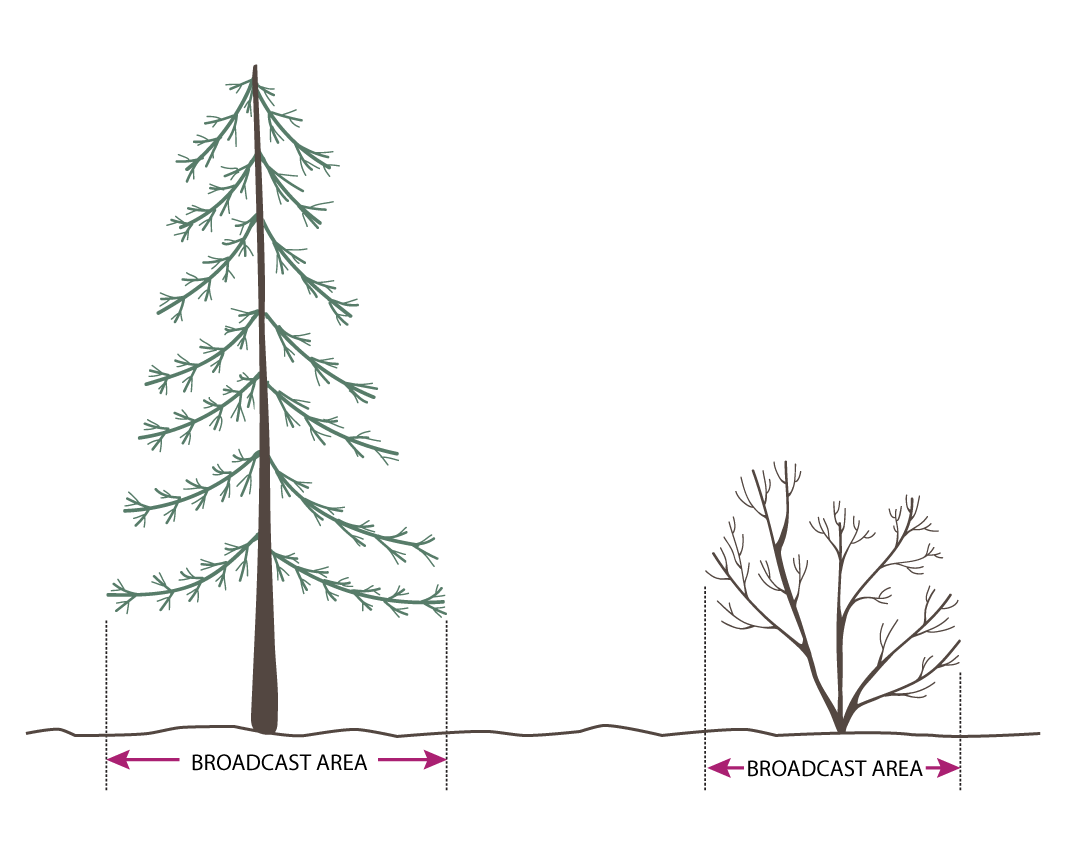
The area beneath trees and shrubs where fertilizer is broadcasted. The roots most able to absorb nutrients are closer to the drip line of the plant (shown as dotted lines, above) so I make sure the distribution of hen manure is weighted more toward the drip line as opposed to the base of the plants.

After I disperse the hen manure, I work it into the garden- usually by hand, but a cultivator works well too.

So put on the nose plugs… and if you catch a whiff, remind yourself- you are doing this for soil health and ultimately the good of your garden!
Patience Please

(Originally posted: May 14, 2019)

Patience is a virtue that very few people have these days. In a world where everything is instant, I really think society is forgetting how to pause and wait for things. Fortunately there are still activities that test this dying skill… gardening is one of them!

Spring is when gardeners must exercise the most patience… waiting for that slow process of things to wake up and start growing. In the excitement of the season, we want to see everything emerge as quickly as possible.

But this is not always the case!

Plants, like people, have their own timelines. While some plants were ‘off to the races’ in February (I am talking about you, Witchhazel… and I thank you for your stunning show amidst the ice and snow!) there are the teenagers of the group who are still lingering in bed! Unfortunately for these ‘adolescent’ plants (Hibiscus spp. [Rose of Sharon and perennial hibiscus] Buddleja spp. [butterfly bush], Caryopteris spp. [bluebeard] and warm-season grasses, to name some of the more common ones) they are often pulled out in early Spring by impatient gardeners thinking their plants didn’t survive the winter.

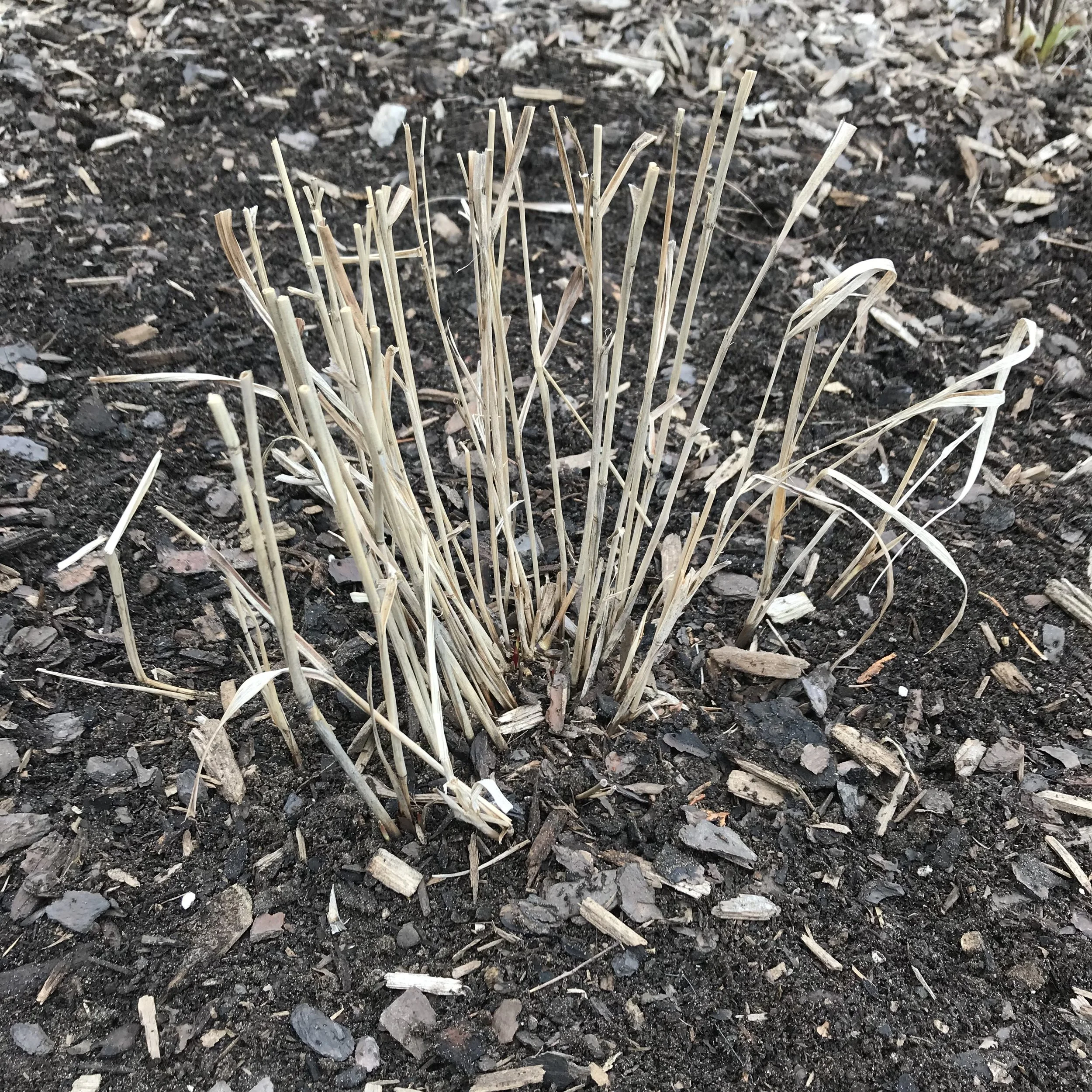
Like this grass, for example… it looks dead right?

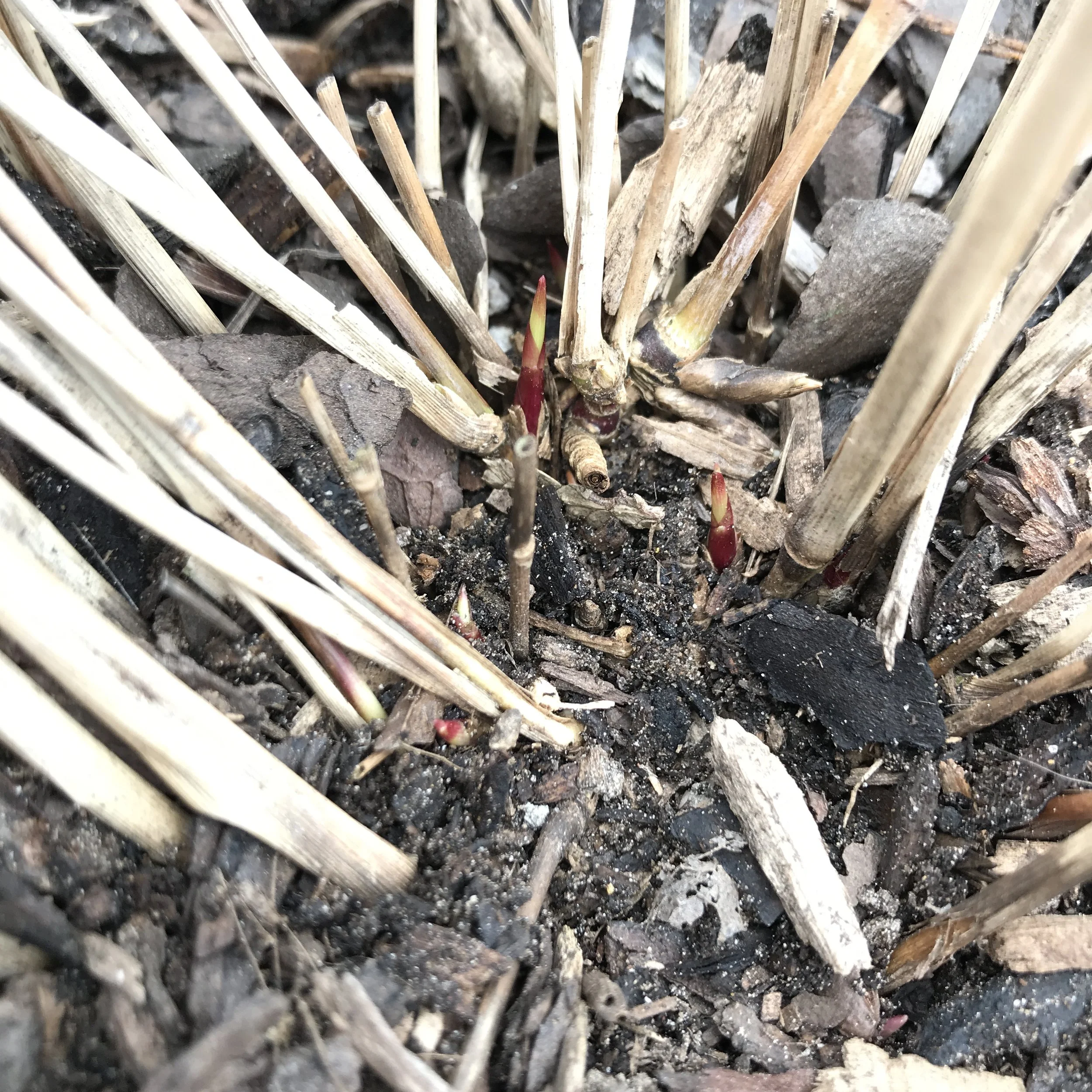
WAIT! Before pulling out ‘dead’ perennials like this grass, take a really close look at the base of the plants…

I spy some new growth! Yay! It’s alive and just needs more time to fully wake up to the world.

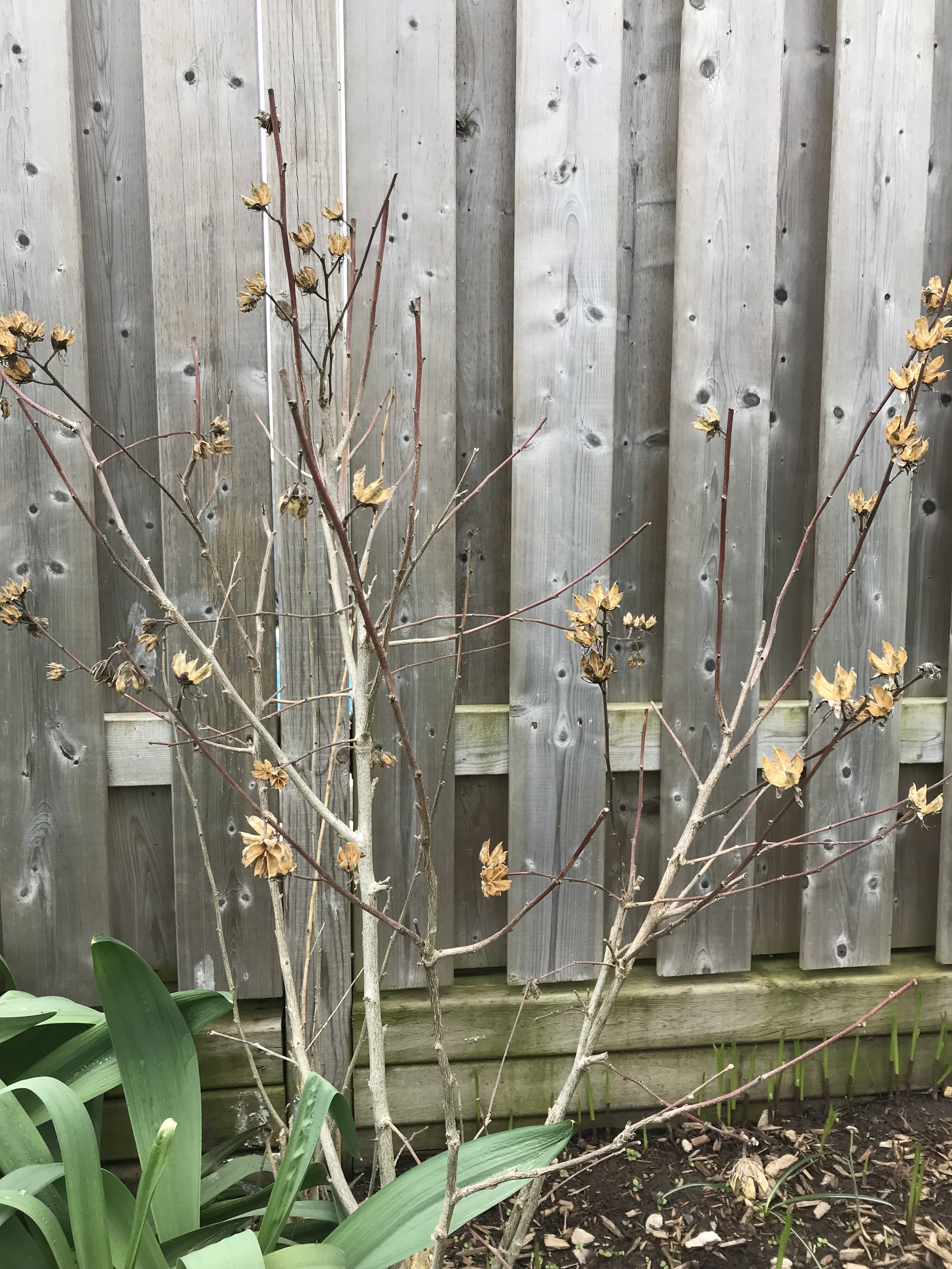
Now how about this Rose of Sharon…

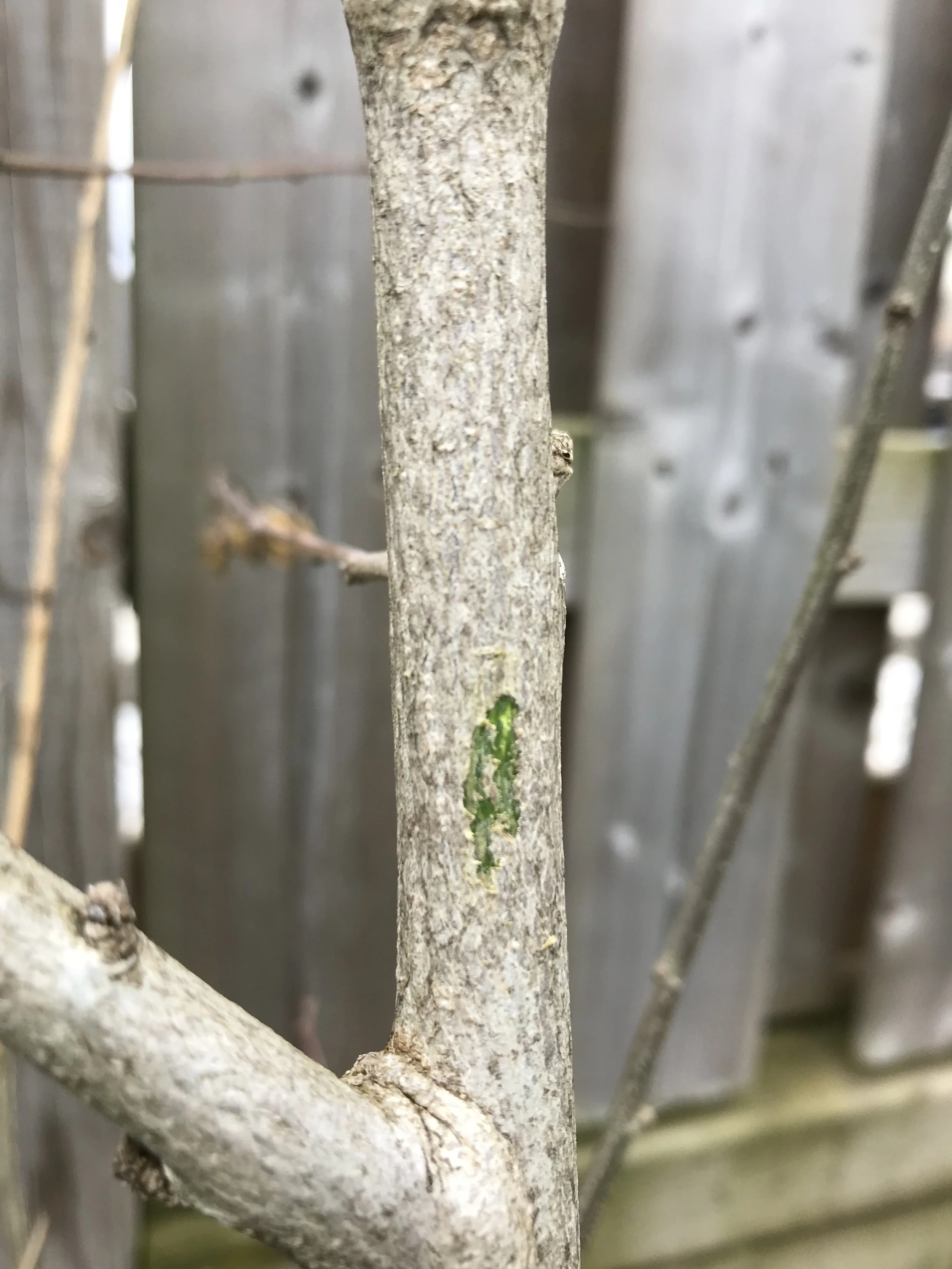
This also looks dead as a door nail- especially since every other plant on the property has started growing. In the case of woody plants such as this one, you’ll need to do a scratch test to figure out if there is still life in the plant. Scratch off the bark on a branch, if it is green underneath, it is alive!

So now let’s take a closer look at the Rose of Sharon…

Ah ha! Green! So like the grass, this shrub just needs more time to ‘get into gear’ for the upcoming season.

It may be shocking to find life in plants that look so dead. The urge is definitely to pull out these awful looking plants to eliminate the last remaining evidence of winter’s icy grip… and here enters the element of patience. Resist the urge! These plants will ‘pop’ soon enough. Their sluggishness may drive you crazy right now, but you’ll forget about it in a few weeks.

In the meantime, try singing to them... at least it will divert your attention from wanting to remove them from your garden, and it will give your neighbours something to talk about instead of your not-so-dead plants.

Assessing the Damage

(Originally posted May 12, 2019)

Assessing winter damage is something we usually do (with or without realizing it) during our first frosty walk through our gardens as the snow starts to disappear. During this walk we take a mental tally of the damages… some deer browsing here and some rabbit munching there; some ice and snow damage here and some wind damage over there...

Sometimes winter damage is apparent right away, other times it takes some warm weather to really bring out the problems (which we have yet to see).

I just wanted to share this with you…

Back in the beginning of April, I drove up to one of my properties and came face to face with this beautiful hedge… WHOA! I stopped dead in my tracks. Correction: I came face to face with this ONCE beautiful hedge… I guess half of it was still great… and the other half? Gone! And in just a few short months!

Now the leaves of boxwood can easily dry out over the winter especially when exposed to a lot of sun and wind. The reason for this is that evergreen leaves (especially broadleaf ones) still lose water to the air, but this water cannot be replaced in the plant since the soil moisture is ‘locked-up’ as ice. However, the scene looked a little more suspicious to me… it was the portion of the hedge leading up to the front door that was affected, while the rest of it came out of the winter unscathed.

My thoughts immediately went to the icy winter that we just weathered here in southern Ontario, and the copious amounts of ice-melter that homeowners needed to throw down just to remain vertical while walking across their properties. Boxwood afterall is not known for it’s exceptional salt tolerance...

So I am in the sleuthing process right now, but my finger is definitely pointing at the ice melter as the possible culprit. To date I have found out that an ‘eco’ ice-melter was used but I have yet to find out which one.

And so the investigation continues…